Have something to say? Send us a letter using this form.
What justifies a war or military intervention?
Hilary Chau, Maryknoll Convent School (Secondary Section)

For those of us living in Hong Kong, massive, deadly wars might be something we only really read about in history books. But switching on the news opens our eyes instantly to modern conflicts.
From Venezuela to Iran, the United States has shown us time and time again that national sovereignty and international relations can be sidelined in the name of “democracy” and “rights”. This prompts the question: what is the ethical justification behind its current military aggressions?
This letter will examine the question using just war theory, a traditional framework for evaluating the morality of armed conflicts. There are six criteria to consider when determining whether military action is justified: just cause, authority, right intention, last resort, proportionality and reasonable chance of success.
While US officials have given inconsistent reasons for the attacks on Iran and Venezuela, the general idea is that these aggressions will stop dictatorship and the spread of communism in the country, preserve human rights, prevent nuclear expansion and end narcoterrorism – crimes financed by profits from illegal drug trafficking. Under the framework, the latter three could constitute “just causes”.
The first reason, however, might be questionable. Ending a dictatorship or the spread of a certain ideology might sound like a noble cause. Still, it is worth pondering whether pushing your ideology is a justifiable reason to violate a country’s national sovereignty.
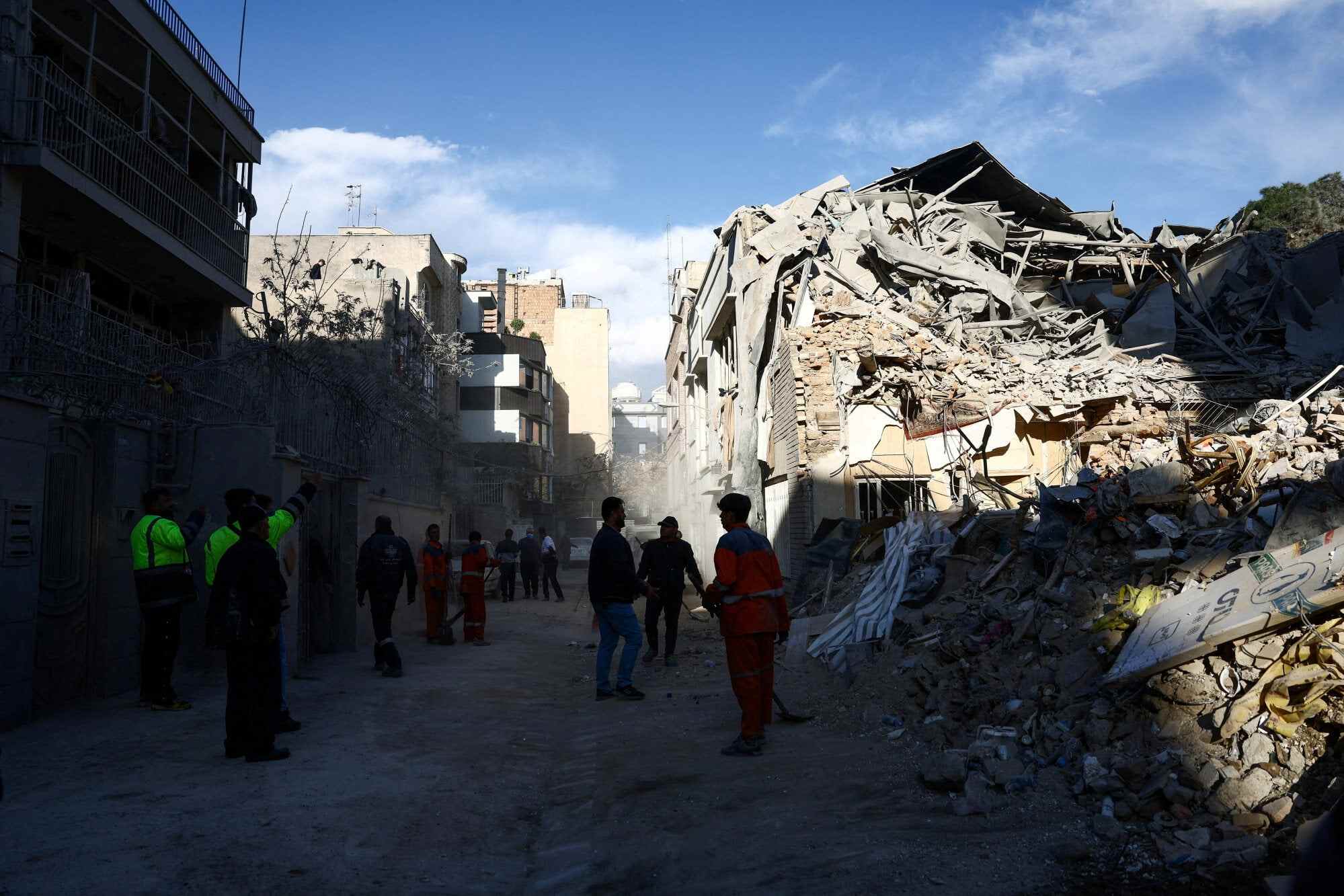
This challenges the proportionality aspect of these invasions. Like a doctor forcing treatment on a patient without consent, intervention without legitimacy risks inflicting more harm than healing.
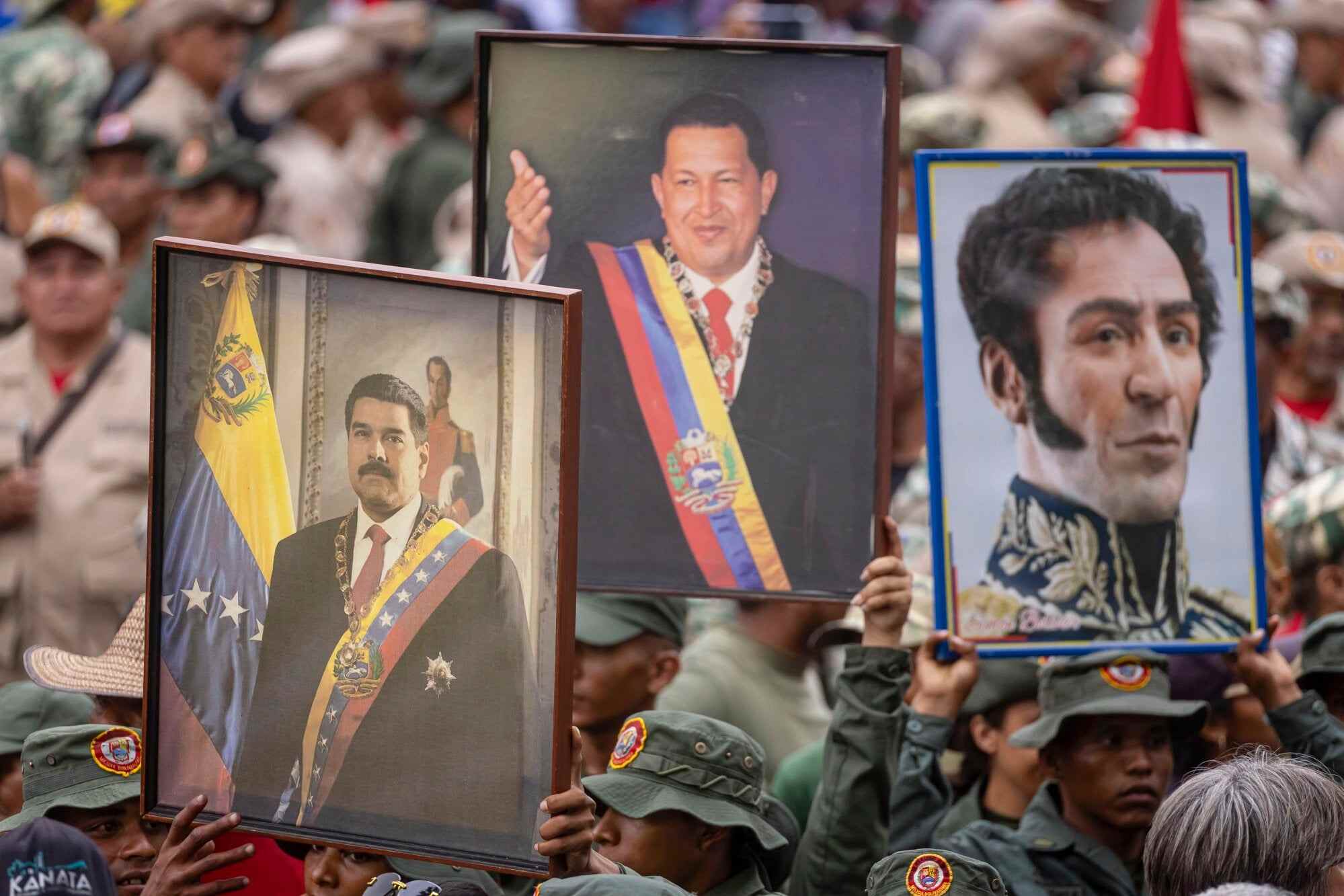
Even if “well-intentioned”, we must consider the proportionality of an invasion or intervention, the foreseeable harm and the consent of the affected populations.
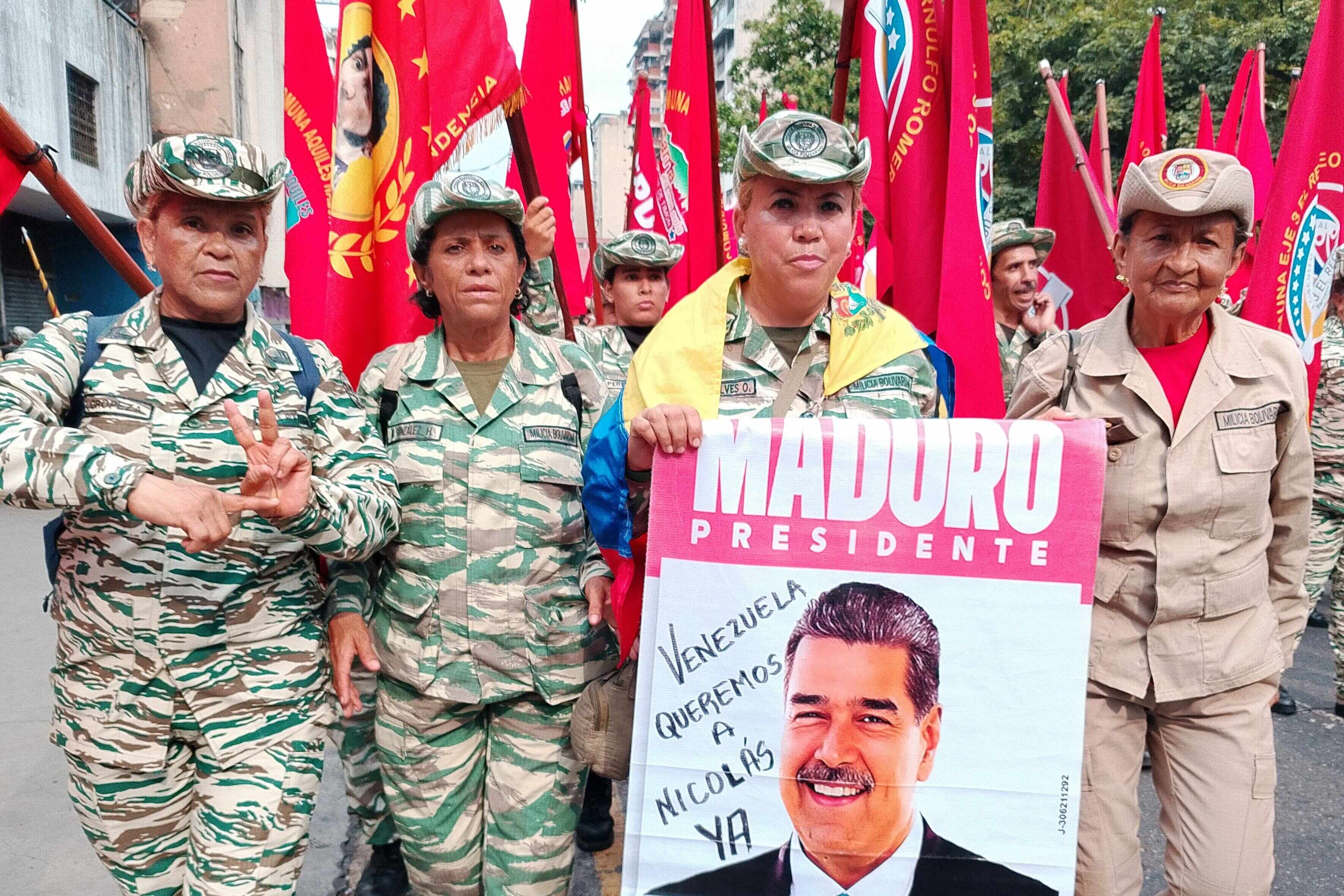
In Venezuela, years of sanctions, confrontation and now military strikes and the capturing of its leader have unfolded against the backdrop of an already severe humanitarian crisis, with millions of refugees and collapsing public services.
The authority that the US holds in this matter leaves much to be questioned.
The United Nations is a mutually agreed-upon international organisation established for peacekeeping. Its authority would greatly override that of the US, which took it into its own hands to reach its goals. By bypassing the UN Security Council, the US stretched “self-defence” to include speculative future threats, resulting in large-scale civilian harm.
The US’ role as a global power complicates the picture. Some may argue that its influence carries a unique responsibility to act where others will not.
Finally, there was no clear, widely accepted post-conflict plan for either Iran or Venezuela. Without these plans, could these interventions reasonably be expected to result in more just political systems and stable governing?
War or an intervention should only be used as a last resort, when all peaceful options such as diplomacy, negotiations and sanctions have failed. There was still room for these peaceful options.
Preserving K-pop’s cultural appeal
Athena Cheung Yuen-ching, St Catharine’s School for Girls

K-pop has been South Korea’s most powerful cultural export for more than 20 years. It turns carefully selected groups into international brands, making Seoul a global music capital. But lately, the popular music that once brought parents and teenagers together is beginning to show some cracks.
A growing number of South Koreans, especially younger listeners, are turning away because of shorter, algorithm-friendly songs, English lyrics and a feeling that K-pop’s unique identity is being eroded. Some local fans wonder if winning global ears must come at the cost of their culture.
The change is pervasive. Fans have described a dislocation: songs that once reflected local culture and language now rely heavily on English hooks and universal themes meant to be easily shared on streaming services.
“It used to feel like music was made for us. Now it feels like music made for playlists and short videos,” one South Korean netizen posted on Reddit.
The increase of songs designed to perform on social media, tightly edited segments that fit neatly in 20 to 40-second clips with snappy, repetitive choruses, has made people resist this situation.

Industry observers believe this change is due to financial motives. Accessibility is essential for global success. Shorter songs boost replay value on streaming services, and English lyrics increase interest in Western markets.
Opponents say the change sacrifices subtlety.
“If your aim is to let every release virally spread, you could end up making the music sound ordinary,” a music critic from Seoul noted. “In this case, some songs that were truly made, which were not made for short videos or playlists, will be overlooked.”
There is also criticism of the production model itself. Idol groups have a demanding schedule that includes frequent comebacks, complicated choreography and strictly regulated public personas.
While that system has resulted in amazing performances and international tours, many idols have become exhausted. Some fans and musicians contend that the industry’s factory-style approach can wear out both artists and audiences, and that the relentless pace leaves little room for an idol’s freedom.
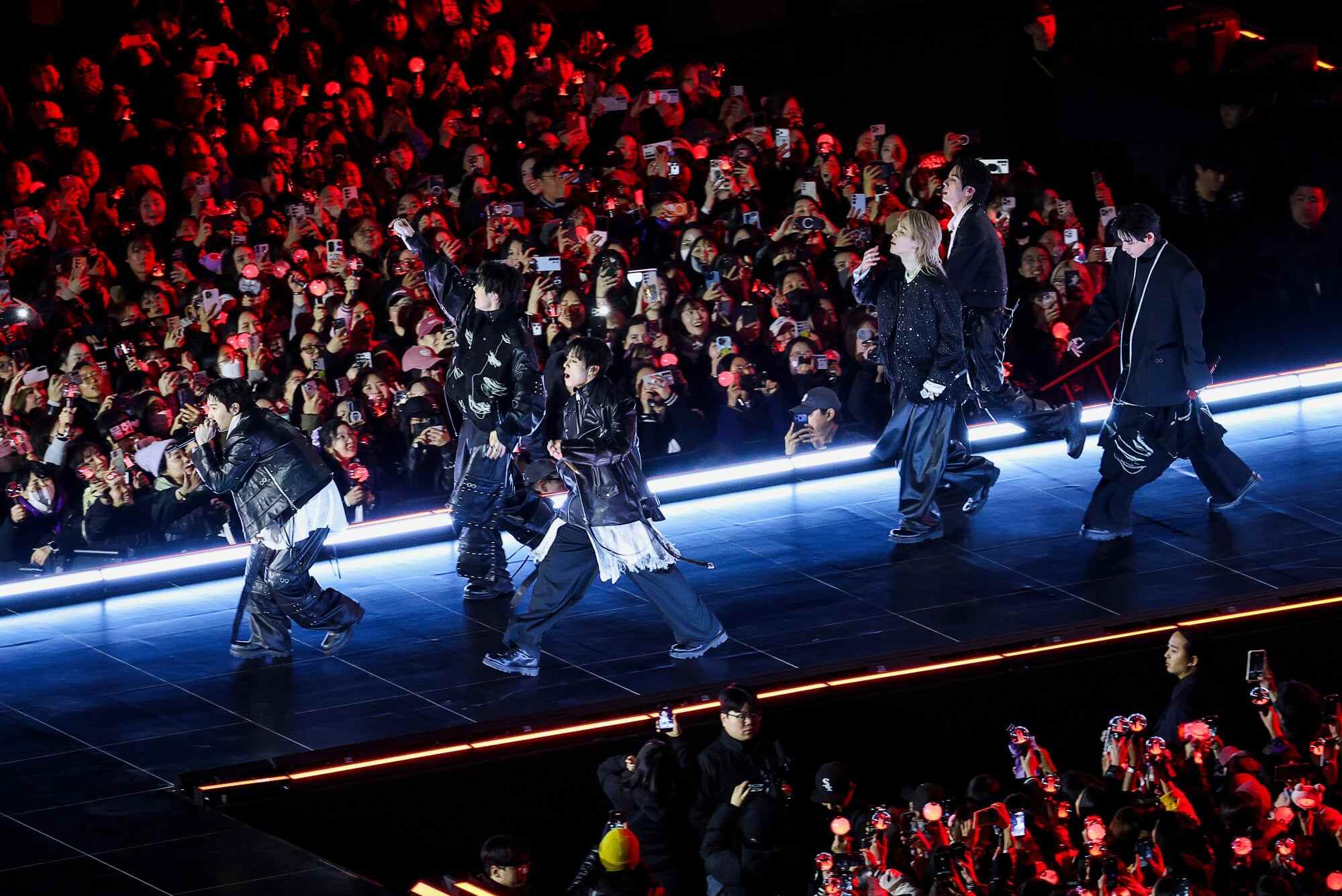
When it comes to the future of K-pop, there is a generational debate. While younger audiences are more likely to demand music that reflects their language and concerns, older fans frequently celebrate the genre’s global accomplishments and the economic benefits they bring.
For many, the question is not whether K-pop should be listened to worldwide, but rather how it can spread without losing the cultural uniqueness that made it so appealing.
The discussion about identity, creativity and commerce will continue as South Korea’s music continues to develop. Finding a balance between business needs and cultural art is now K-pop’s main challenge for attracting listeners and generating revenue.