With a subscription, you can answer quizzes and track your reading progress.
Learn new words with our vocabulary challenge!
With a subscription, you can answer quizzes and track your reading progress.
Learn new words with our vocabulary challenge!
With a subscription, you can answer quizzes and track your reading progress.
Spark / Stories
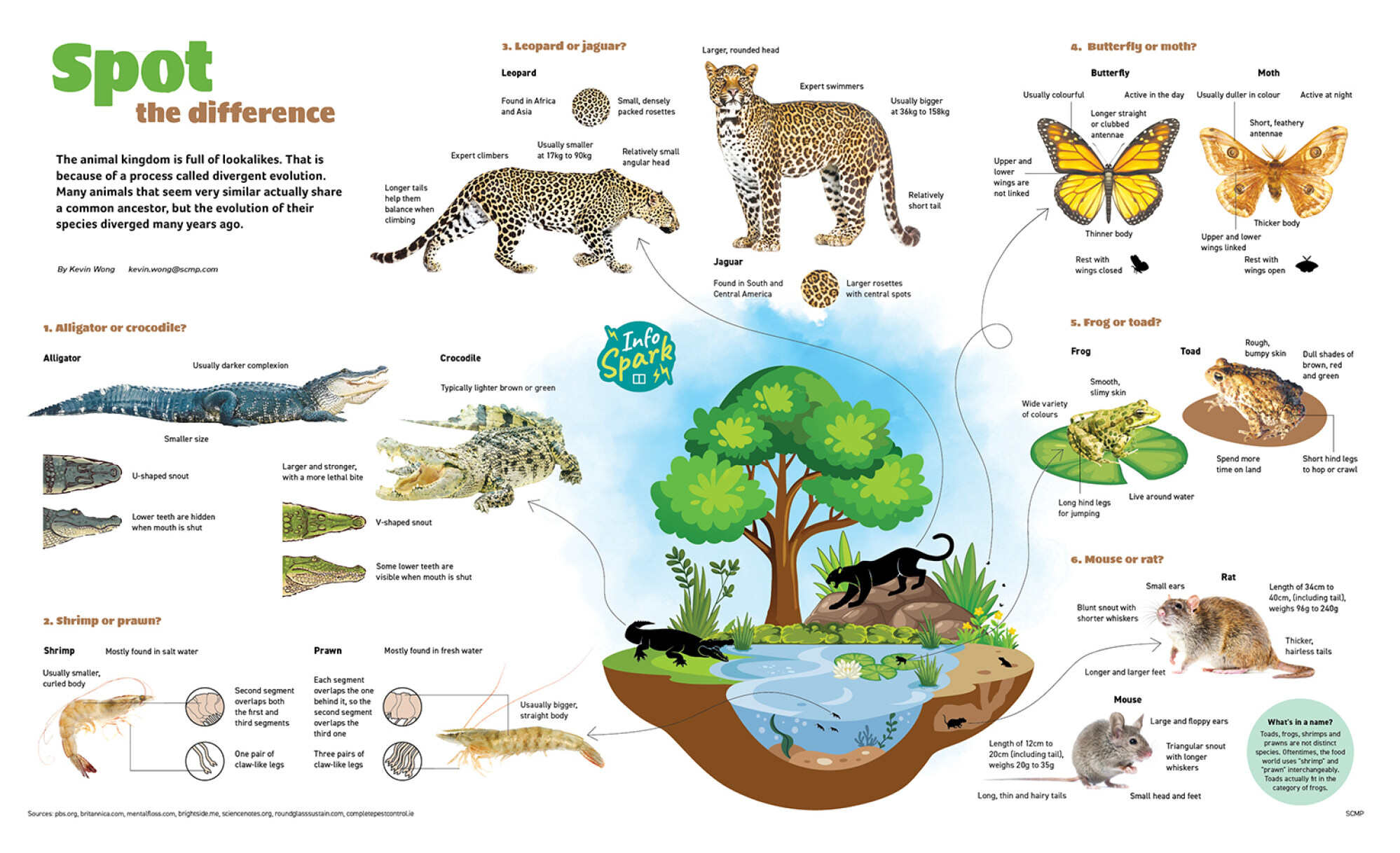
InfoSpark: Animals that resemble each other often highlight the wonders of evolution
Animal lookalikes showcase the fascinating ways in which species can evolve similar traits in response to their environments
byKevin Wong
Published: 2:00am, 26 Mar 2025
Length: 96 words
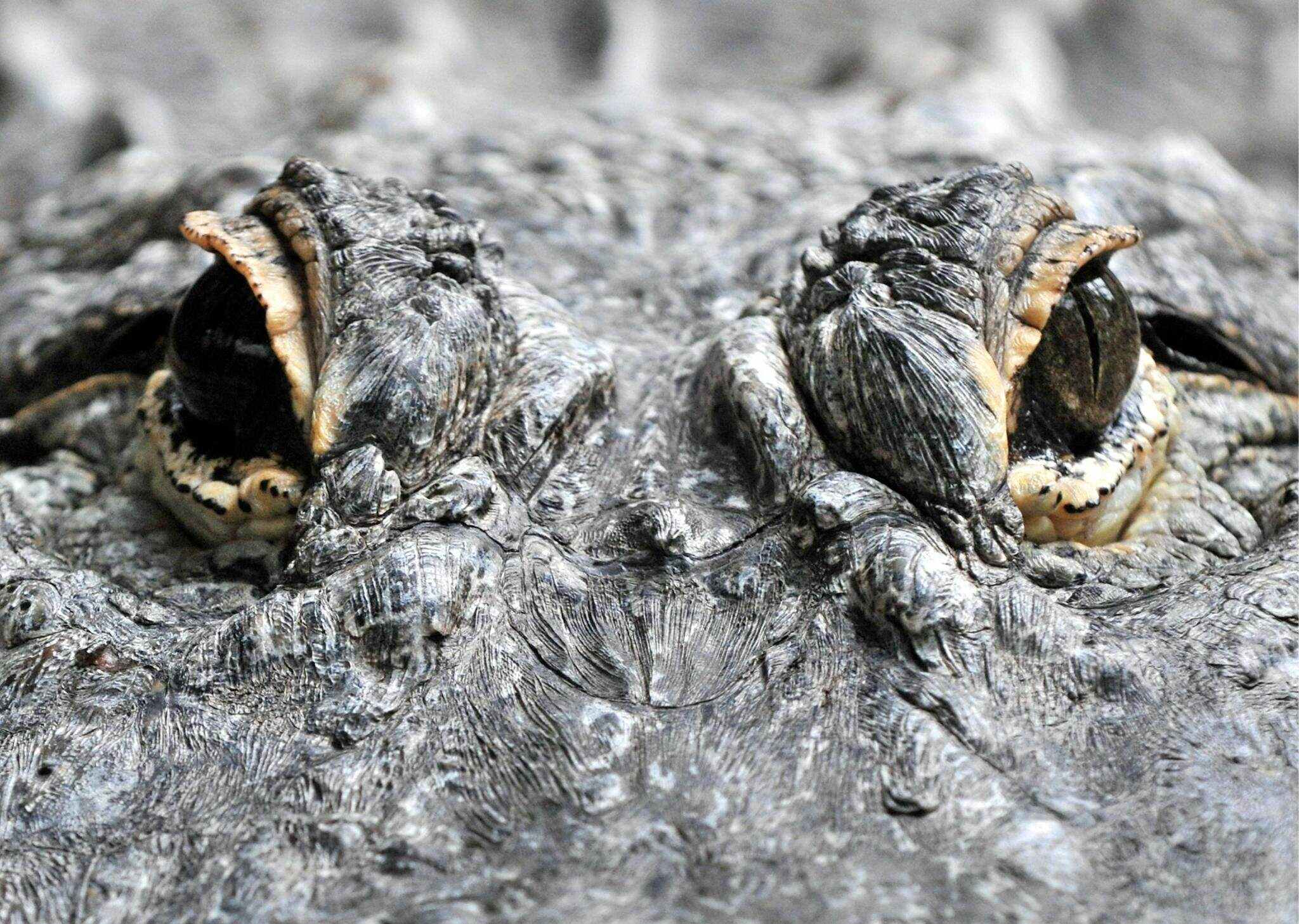
Alligators and crocodiles are both dangerous reptiles. Photo: EPA
Ever noticed how certain cats can look like miniature leopards, strutting around as if they’re royalty in the jungle? Animals that resemble each other often share similar habitats or evolutionary traits. The lookalikes showcase nature’s creativity in evolution, as they adapt to their environments for survival or predation.