

YoungPost Club Learn
DOWNLOAD OUR APP
appstoregoogleplay
FIND US AT
My JourneyMy Vocabulary BuilderMy Leaderboard
My AccountSearchFAQAbout UsContact Us
Subscription Plan
School Subscription
YOUNG POST
NewsTrendingBeing wellLearning zoneShare with usQuizzes
SPARK
NewsTrendingBeing wellLearning zoneShare with usQuizzes
POSTIES
Big readEye on the newsHa-ha-happeningsThings to doYour saySteam studioHealth and happinessQuizzes
Subscribe to Young Post Club to access our great content
ABOUT US|CONTACT US|WRITE FOR US|PRIVACY POLICY|TERMS & CONDITIONS
©2026 Young Post Club. All rights reserved.
My Journey Hello
Brand Avatar
Young Post
My Journey illustration

With a subscription, you can answer quizzes and track your reading progress.

result
Learn new words with our vocabulary challenge!
My Journey illustration

With a subscription, you can answer quizzes and track your reading progress.

result
Learn new words with our vocabulary challenge!
My Journey illustration

With a subscription, you can answer quizzes and track your reading progress.

Spark / Stories

Hong Kong forests can store more than 7 million tonnes of carbon, study finds

Research could aid projects devoted to reforestation efforts and carbon dioxide removal
bySCMP
Published: 2:00am, 10 May 2025
Length: 230 words
Hong Kong forests can store more than 7 million tonnes of carbon, study finds

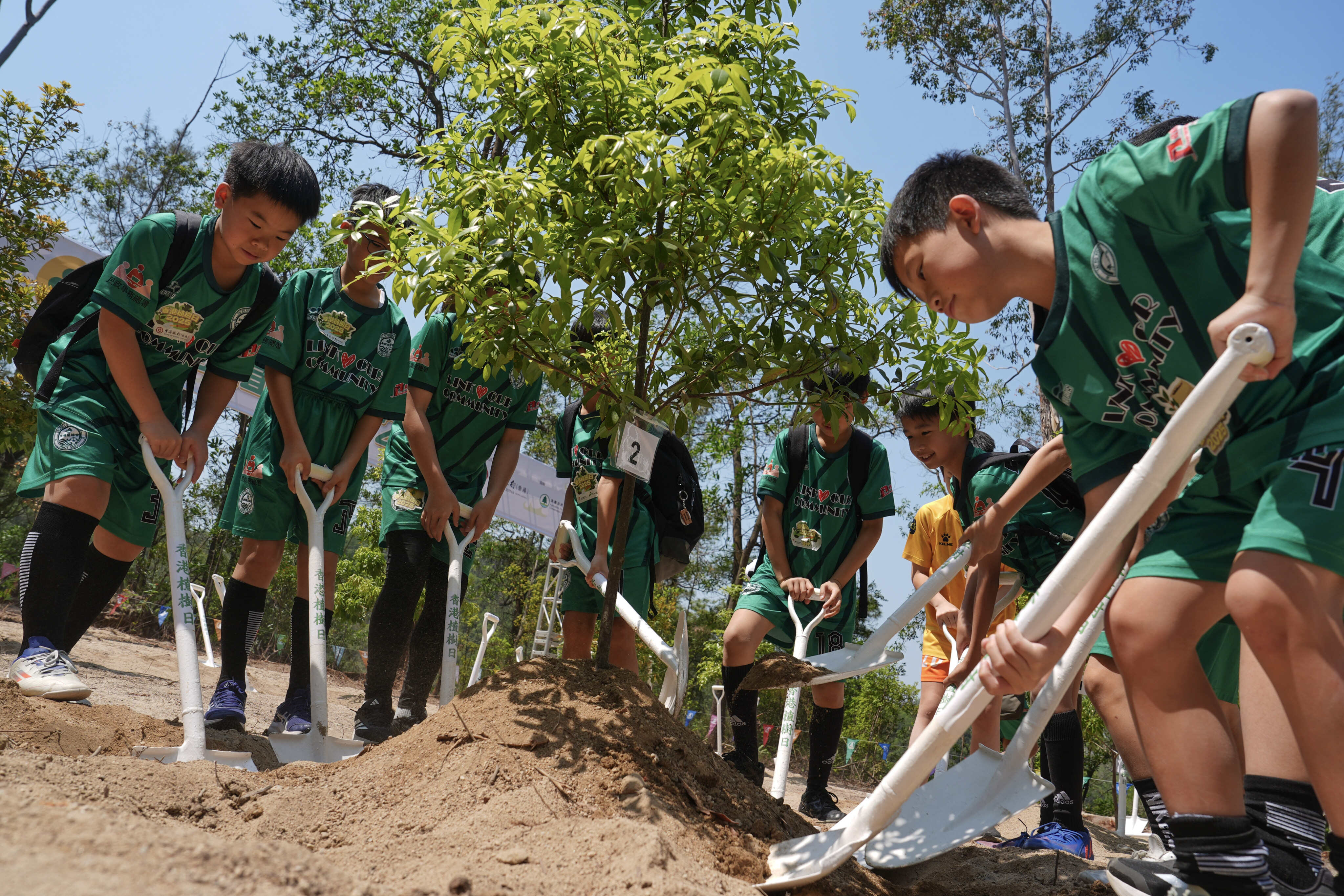
Children plant trees at Tai Tong in Yuen Long. Photo: Elson Li

A study has found that Hong Kong forests can store more than seven million metric tonnes of carbon, about one-fifth of the city’s annual emissions.

The Conservancy Association released the findings of its three-year study last month. The research looked at more than 100 native tree species and their carbon storage capabilities to see which trees in Hong Kong have the best potential to capture greenhouse gases.

To determine which species have the highest capacity to store carbon, the team sampled over 90 plots of forest land and collected data from more than 20,000 trees. The data will be given to authorities and private developers to assess the carbon footprint of future projects.

The study could provide more information for the city’s development, the group’s conservation manager, Dr Angie Ng Ying-sim, said. Projects could involve reforestation and carbon dioxide removal.

Ng said Hong Kong had great potential to create a carbon sink – a natural area which absorbs more carbon than it produces.

One-quarter of the city is woodlands. One-third is grassland and shrub land.

Planting species that store more carbon in these areas could maximise the effects of carbon sink.

Staff writers

IN THIS ARTICLE
Easy reading