Deep Dive delves into hot issues in Hong Kong and mainland China. Our easy-to-read articles provide context to grasp what’s happening, while our questions help you craft informed responses. Check sample answers at the end of the page.
News: Hong Kong’s gig economy workers want industry regulation
-
Delivery workers have urged for more employment protection in a series of strikes
-
Although the gig economy is on the rise, better protection for workers is needed
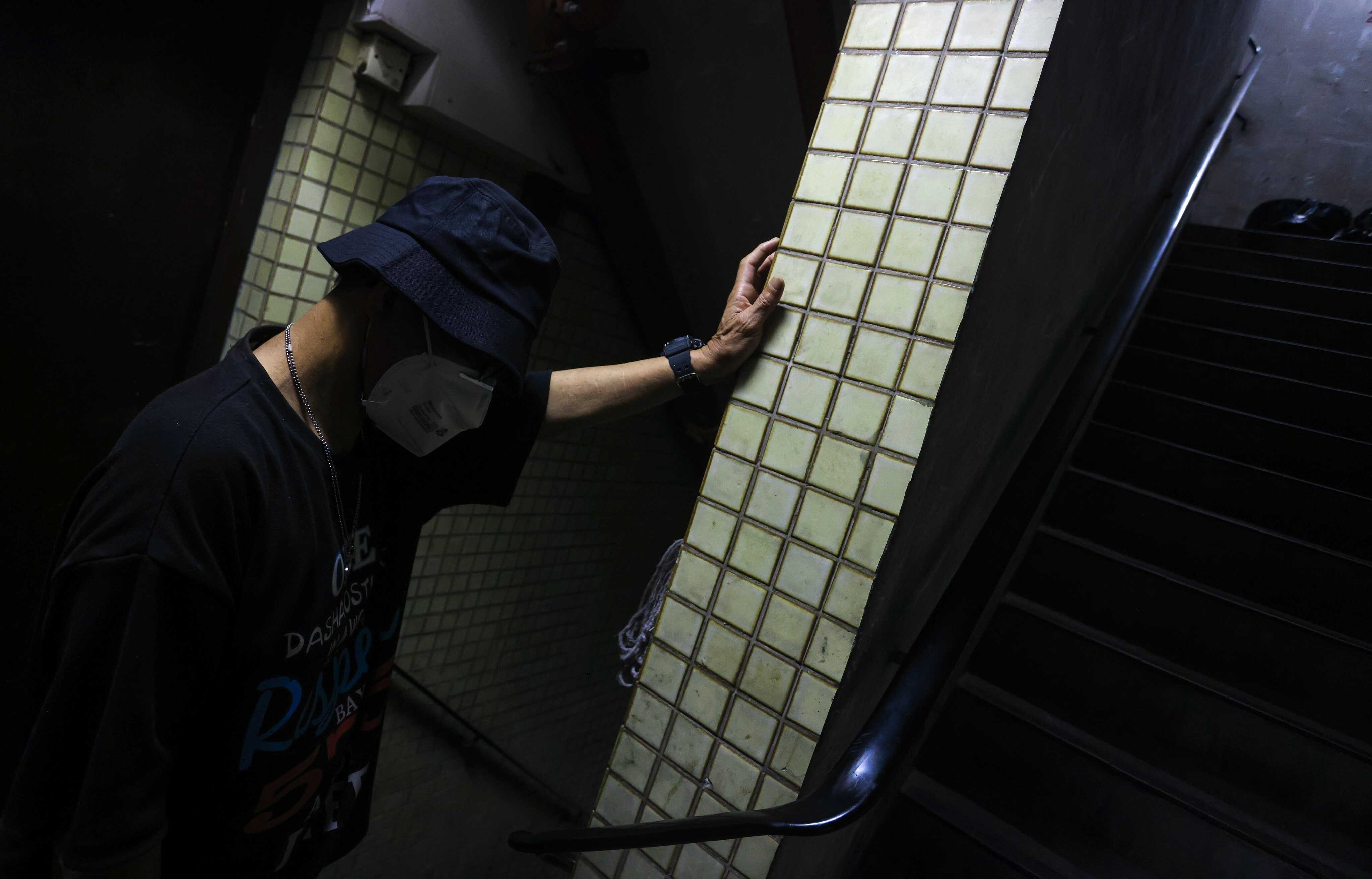
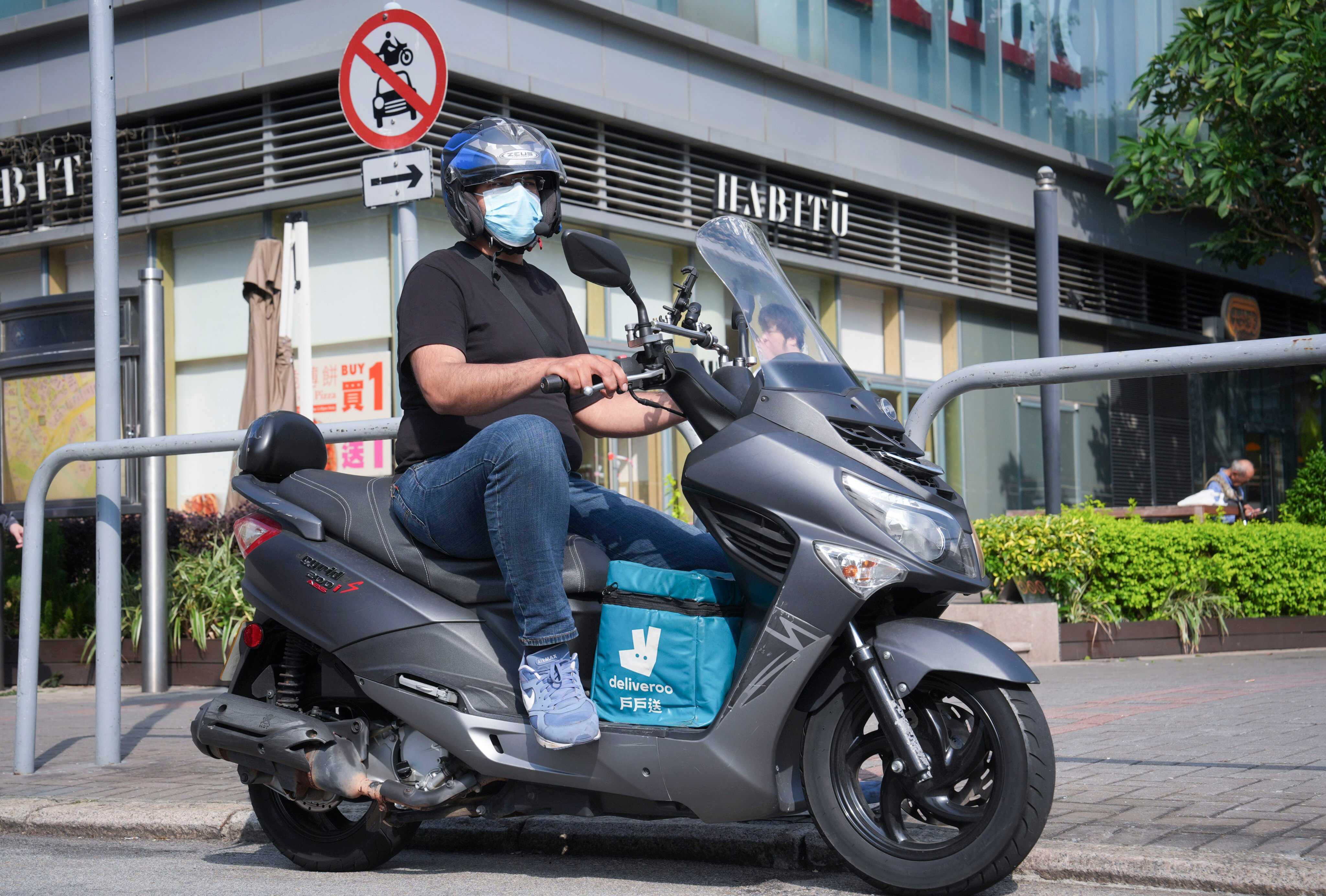
Hong Kong food delivery rider John Lam* is careful while delivering orders on his motorcycle. The 40-year-old knows that if he has a work-related accident, he will receive few benefits and minimal compensation.
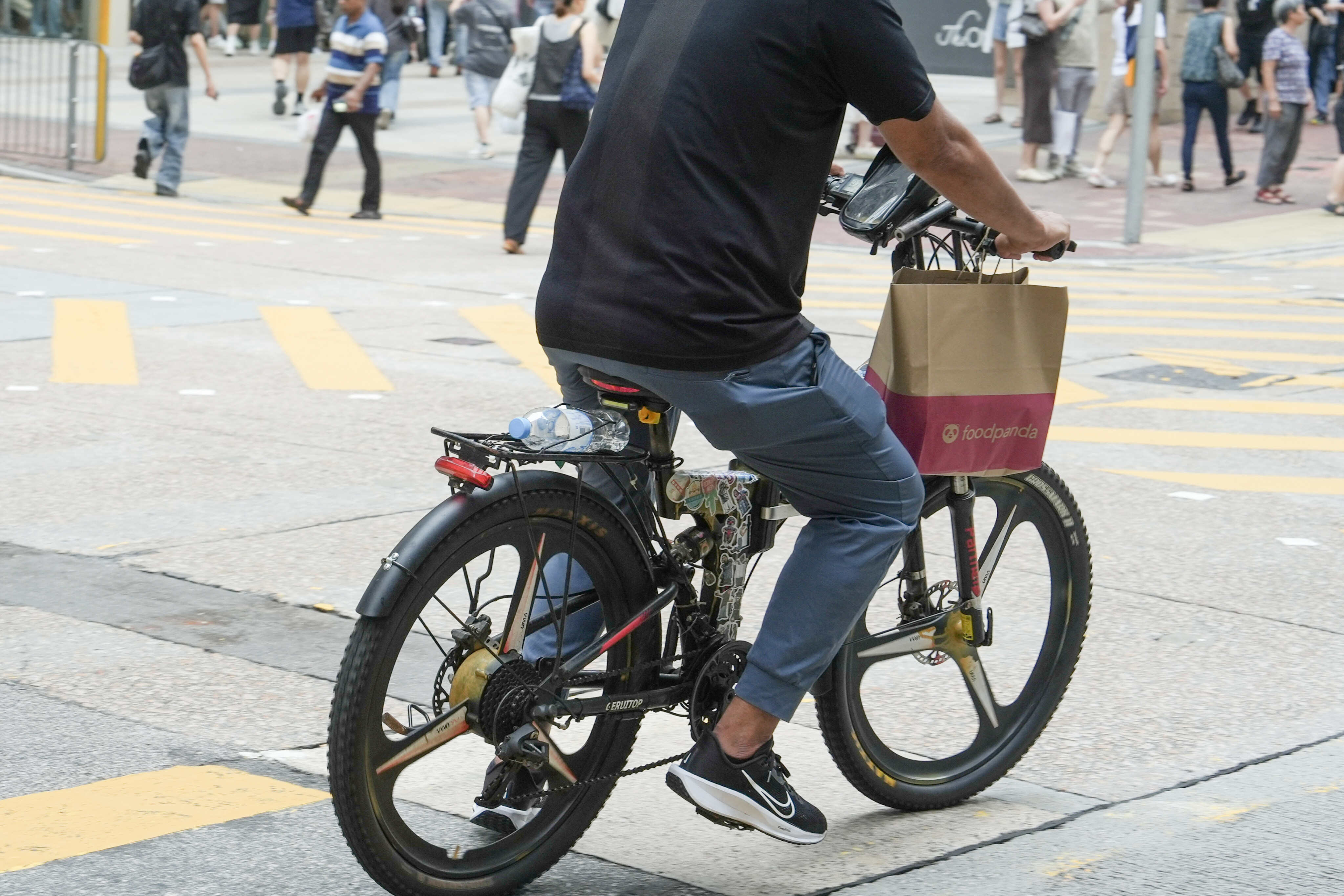
“While consistent food delivery work can lead to a very good income, the major downside is that it leaves couriers like me without essential basic and labour protections,” he said. Lam delivers food for the city’s two online platforms, Foodpanda and Keeta.
“It would be nice if the government regulated the industry, granting us employee status and entitling us to annual leave, sick leave and a pension.”
Lam earns an average of HK$45,000 to HK$50,000 monthly, working 10 hours a day, six days a week. He said he was fully aware of the risks when he started working with online food delivery platforms five years ago. Still, the money was too good to pass up.
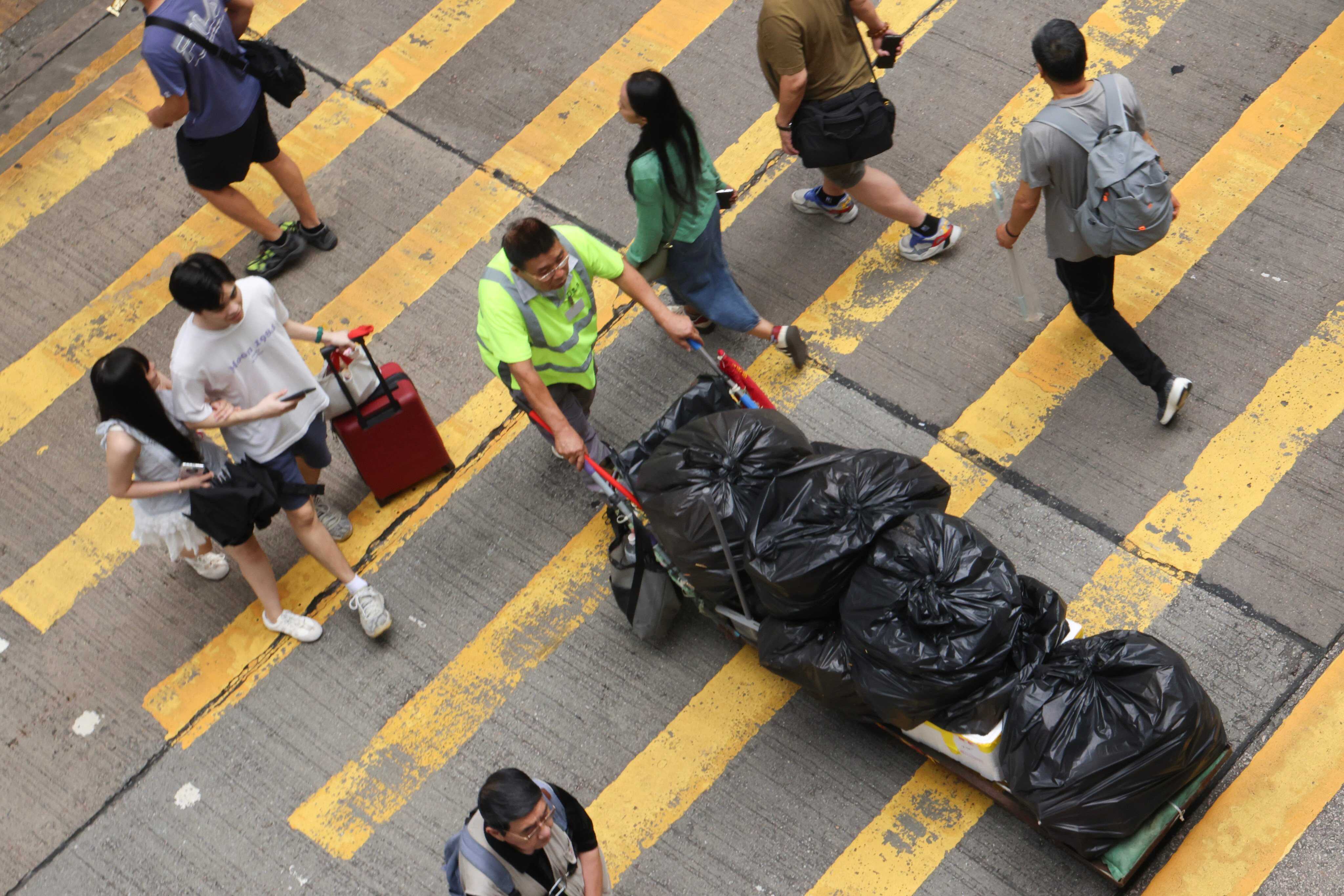
Lam is among the thousands of Hongkongers making a living in the so-called gig economy. He is also not alone in calling for the industry to be regulated.
Secretary for Labour and Welfare Chris Sun Yuk-han told lawmakers in May that the government would introduce proposals to enhance platform workers’ rights and benefits within the year. Authorities would consider reinforcing protections for them through legislative means.
Sun’s remarks came shortly after several strikes by Keeta workers. Their demands included increasing their pay per order, better protections and higher safeguards against illegal workers.
In Hong Kong, those working for food delivery and ride-hailing platforms are among the most visible members of the gig economy. The city had as many as 64,000 online delivery couriers and 50,000 app-based ride-hailing and taxi drivers in 2023, according to calculations by the Legislative Council Secretariat’s research office.
A survey commissioned by the Labour Department and conducted between December 2023 and March 2024 found that nearly 13,000 people had worked for food and goods delivery digital platforms in the previous year.
The city does not have legislation specifically covering digital platform workers. They are usually classified as self-employed. This means they are normally not entitled to benefits such as paid annual leave and sick leave as stipulated under the Employment Ordinance, payouts for work-related injuries under the Employees’ Compensation Ordinance, or minimum wage protection.
Staff writers
* Name changed at interviewee’s request
Question prompts
1. According to the news, which of the following statements are true?
(1) John Lam supports government regulation of the food delivery industry to improve workers’ rights and protections.
(2) Gig economy workers in Hong Kong are automatically entitled to benefits such as sick leave and paid annual leave.
(3) The Hong Kong government is considering legislation to improve conditions for platform workers.
(4) There were more than 64,000 app-based ride-hailing and taxi drivers in Hong Kong as of 2023.
A. (1), (2) only
B. (2), (4) only
C. (1), (3) only
D. (3), (4) only
2. List TWO demands that striking delivery workers had in regard to employment benefits.
3. Why might Hong Kong workers want the government to regulate the gig economy, and what issues could it address? Explain using the news and your own knowledge.
Illustration
Question prompts
1. List TWO changes that gig workers hope the government will implement to improve their working conditions.
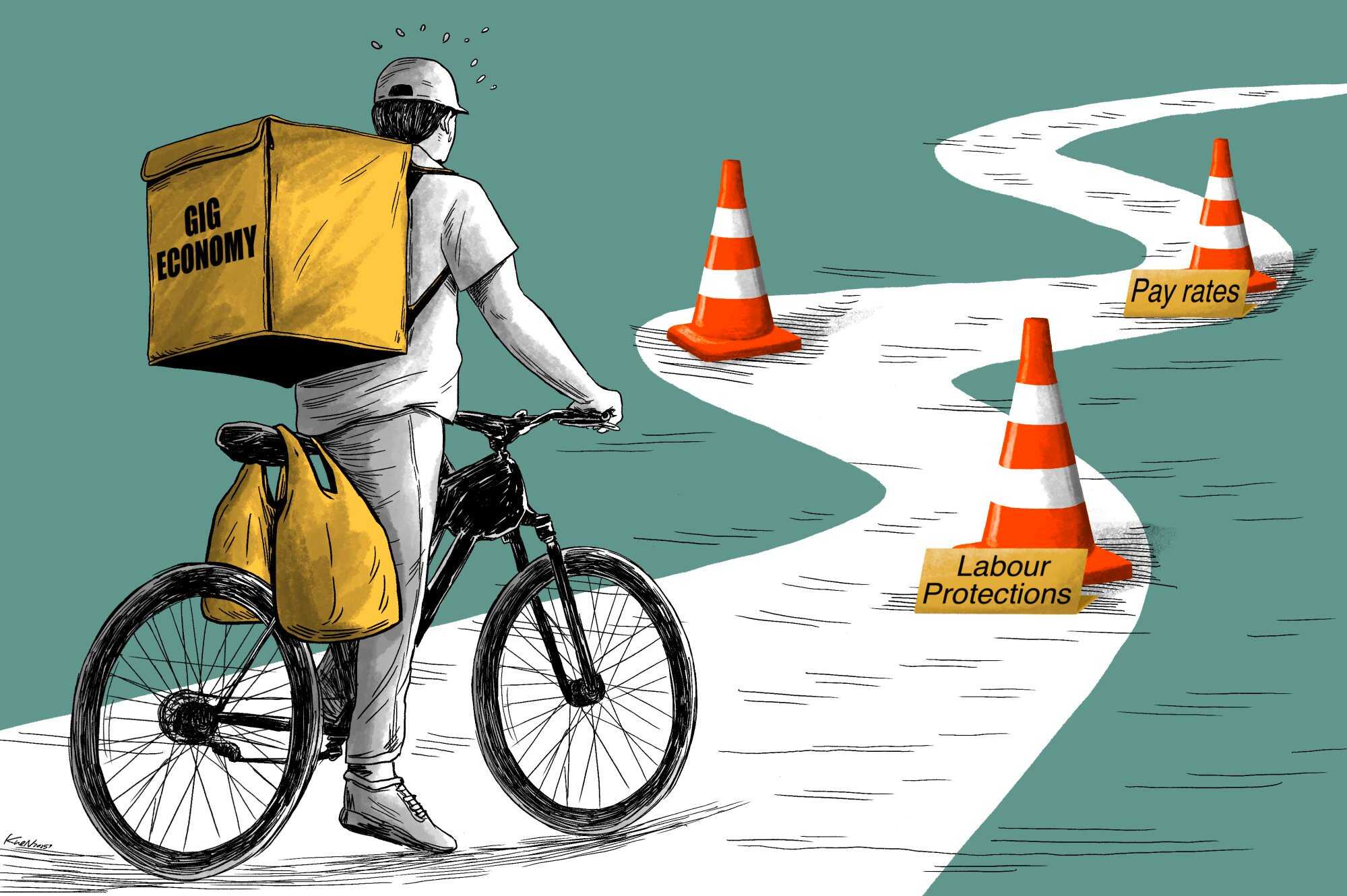
2. What do the roadblocks labelled “Labour Protections” and “Pay rates” in the illustration represent about the gig economy?
Glossary
gig economy: a labour market commonly characterised by temporary or freelance work, usually through digital platforms such as Uber and Foodpanda
minimal compensation: Without legislation specifically covering digital platform workers, they are not normally entitled to payouts for work-related injuries under the Employees’ Compensation Ordinance
minimum wage: the lowest hourly or daily pay that employers are legally required to offer workers. The statutory minimum wage in Hong Kong is HK$42.10 per hour, effective May 1, 2025.
Sample answers
News
1. C
2. Striking delivery workers have demanded better protections, including employee status, annual leave, sick leave, and a pension. (accept any two answers)
3. Food delivery workers like Lam want the government to regulate the gig economy so they can gain access to basic employment protections such as annual leave, sick leave, and pension benefits. Currently, most gig workers are classified as self-employed, which means they are not entitled to protections under laws like the Employment Ordinance or the Employees’ Compensation Ordinance. This leaves them vulnerable, especially in the case of work-related accidents, despite often working long hours and earning relatively high incomes.
Illustration
1. Delivery workers hope the government will require companies to offer full-time contracts with clear terms on pay and injury compensation and create a legal framework that deters illegal workers and provides basic labour protections, such as a minimum wage and holiday pay.
2. The roadblocks symbolise the major challenges and uncertainties faced by gig workers, such as food delivery riders. “Labour Protections” refers to the lack of basic rights such as sick leave, injury compensation, and paid holidays, while “Pay rates” represents declining earnings and the unstable income structure after events like Deliveroo’s exit from Hong Kong. These obstacles make it difficult for gig workers to move forward securely in their careers.