




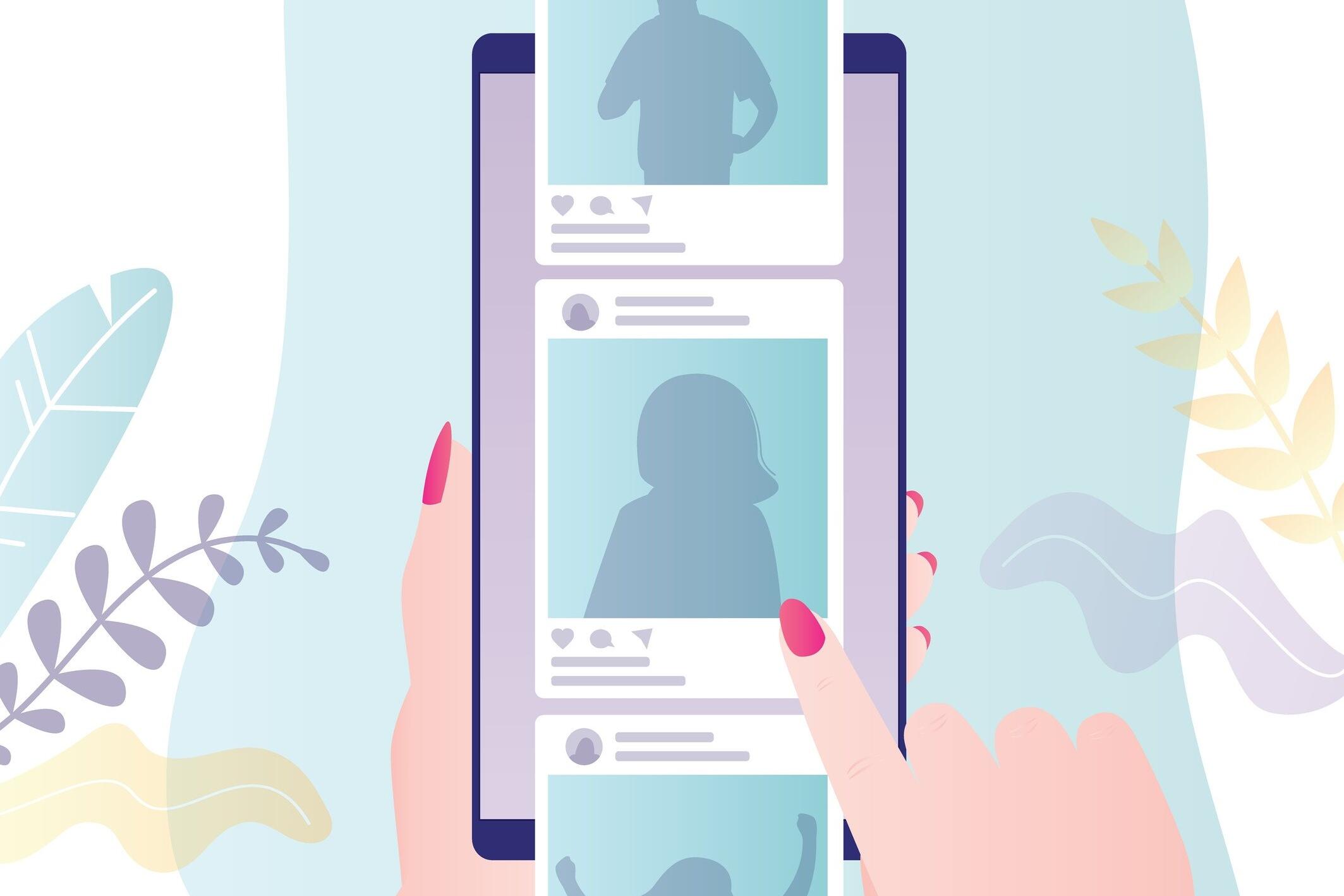
Some teens are turning to social media for mental health information. But Avis Ngan, a clinical psychologist, warned not to trust everything you find online.
Ngan is the founder of Mindsight, a mental health clinic based in Hong Kong. He said more teenagers are turning to social media for mental health information.
“And I get it – it’s easy to access, you can stay anonymous, and you can relate to what others your age are going through,” he said.
The memes and personal stories online can feel relatable. Still, it’s important to see a mental health professional to learn what is really going on.
Looking for answers
L* is a Form Three student at HKFYG Lee Shau Kee College. The teen tried diagnosing herself through YouTube videos and Instagram reels after a school social worker said she had symptoms of anxiety.
“I was curious and began researching anxiety to see if I actually had it and, if I did, how I could make my situation better,” she said.
L shared that the information online helped her better understand her emotions.
But she was also confused because some sources claimed that her symptoms pointed to an anxiety disorder. She eventually went to see a psychiatrist, who assured her that she did not have the condition.
Ngan said many conditions were easy to misdiagnose when relying on the internet.

“Stress and sadness are part of being human, but they don’t always mean you have clinical anxiety or depression. And having quirks or mood swings doesn’t necessarily mean you have bipolar disorder,” he said.
Social media can also worsen how you feel. Researchers have found that social media use makes teenagers more vulnerable to mental health issues.
Ngan also pointed out that posts might promote overly simple solutions such as “Stay positive” or “Think happy thoughts”. These messages do not address the real issues and can minimise our experiences.
“In reality, overcoming mental challenges takes a lot of effort and support,” he said.
How social media can help
There are some positive aspects to online mental health discussions. Seeing others share their struggles can make us feel less alone.
Ngan said social media can have helpful resources, but these sites must be more thoughtful about what they promote. Posts about severe struggles should not dominate feeds as they can be overwhelming for those without professional support.
Content moderation is crucial. “Social media platforms really need to do a better job in identifying and flagging posts that glorify self-harm or spread dangerous myths,” Ngan added.
He said that official hotlines for crisis support should be clearly displayed on Instagram accounts related to mental health issues. He added: “When someone is in a dark place, finding help quickly can make all the difference.”
There should also be more emphasis on professional advice and stories of resilience.
“But it has to be done right – in partnership with experts, with an emphasis on credible information and real support beyond the screen. Lives are on the line here,” Ngan said.
*Name withheld at interviewee’s request
To test your understanding of this story, download our printable worksheet or answer the questions in the quiz below.
