On Earth, bread is a staple across many cultures, from sourdough to steamed buns and naan. But in space, bread can be a dangerous item.
Gravity keeps food on your plate when you’re on Earth, but it’s another story once astronauts are in orbit, which causes everything to float around. The crumbs that break off from most breads could drift into an astronaut’s eye or damage delicate electronics.
In the weightless environment of space, the experience of eating is vastly different from that on Earth, making specialised space food crucial for sustaining astronauts’ lives on board.
Space food design is the marriage of culinary art and engineering, where the beauty lies in balancing a stable shelf life with nutrition and taste.
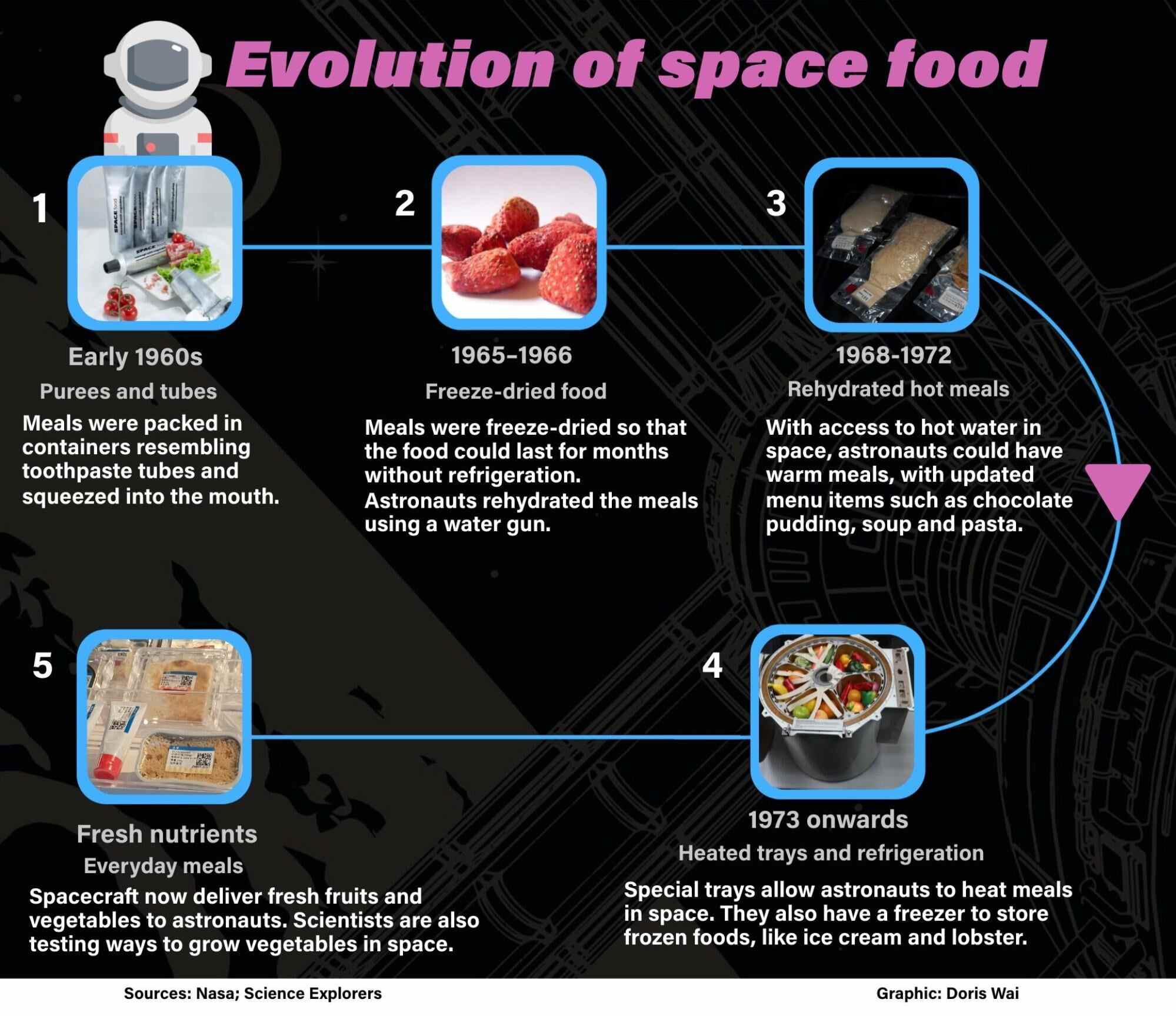
The earliest space food came in the form of a paste packed in tubes, which astronauts squeezed out like toothpaste. Does that sound appetising to you?
Over the years, scientists have developed technology to give astronauts tastier foods that help them adjust to life in space (see graphic).
Another challenge of space food is making it flavourful because regular food doesn’t taste the same in orbit.
With little-to-no gravity to pull bodily fluids downwards, they rise and pool in an astronaut’s upper body and head. This gives them a sense of chronic nasal congestion, making their nose feel as stuffy as if they had a cold.
Thus, it is very hard for astronauts to taste their food. But luckily, they can use different sauces to add more flavour and excitement to their meals.
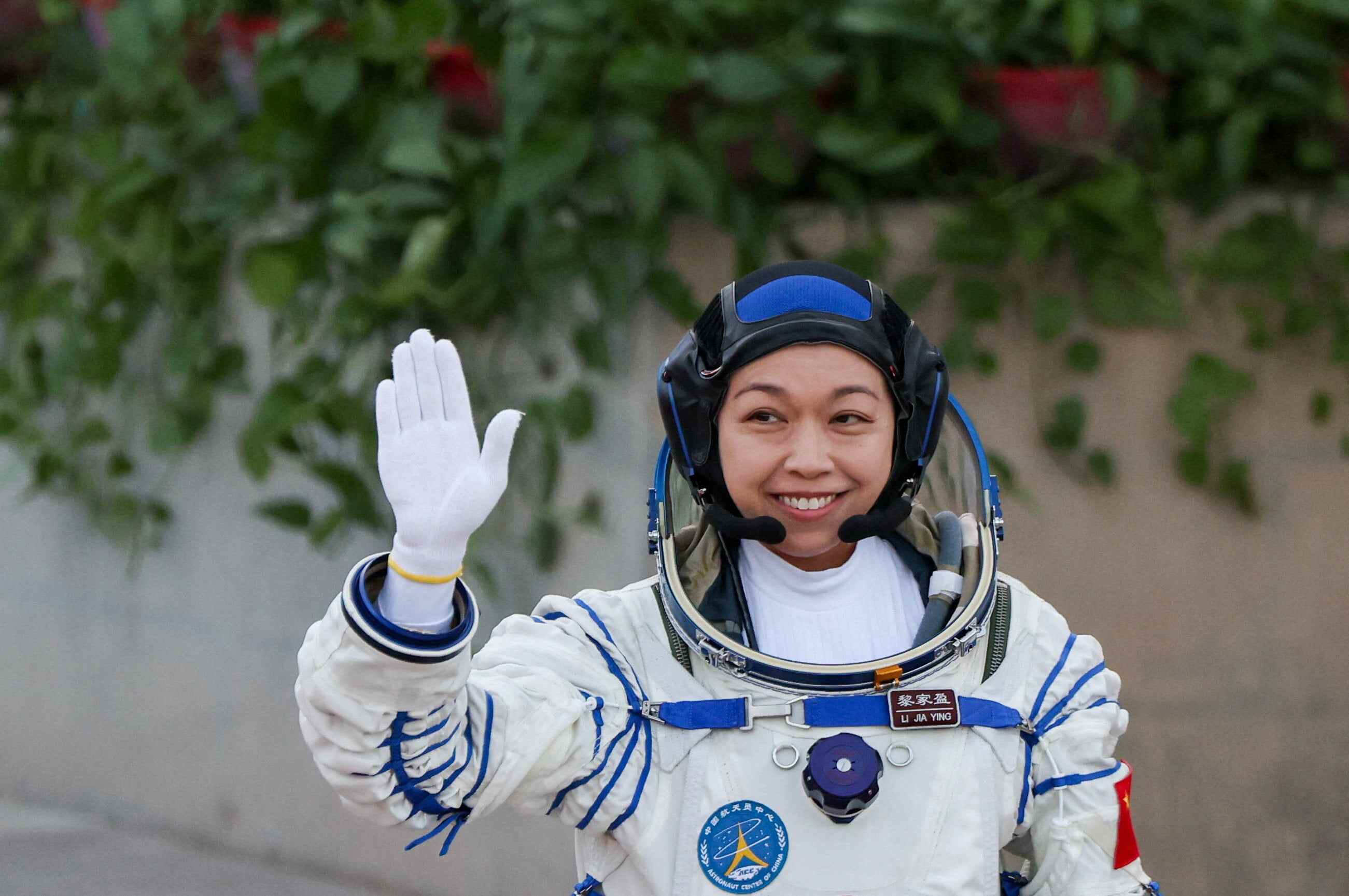
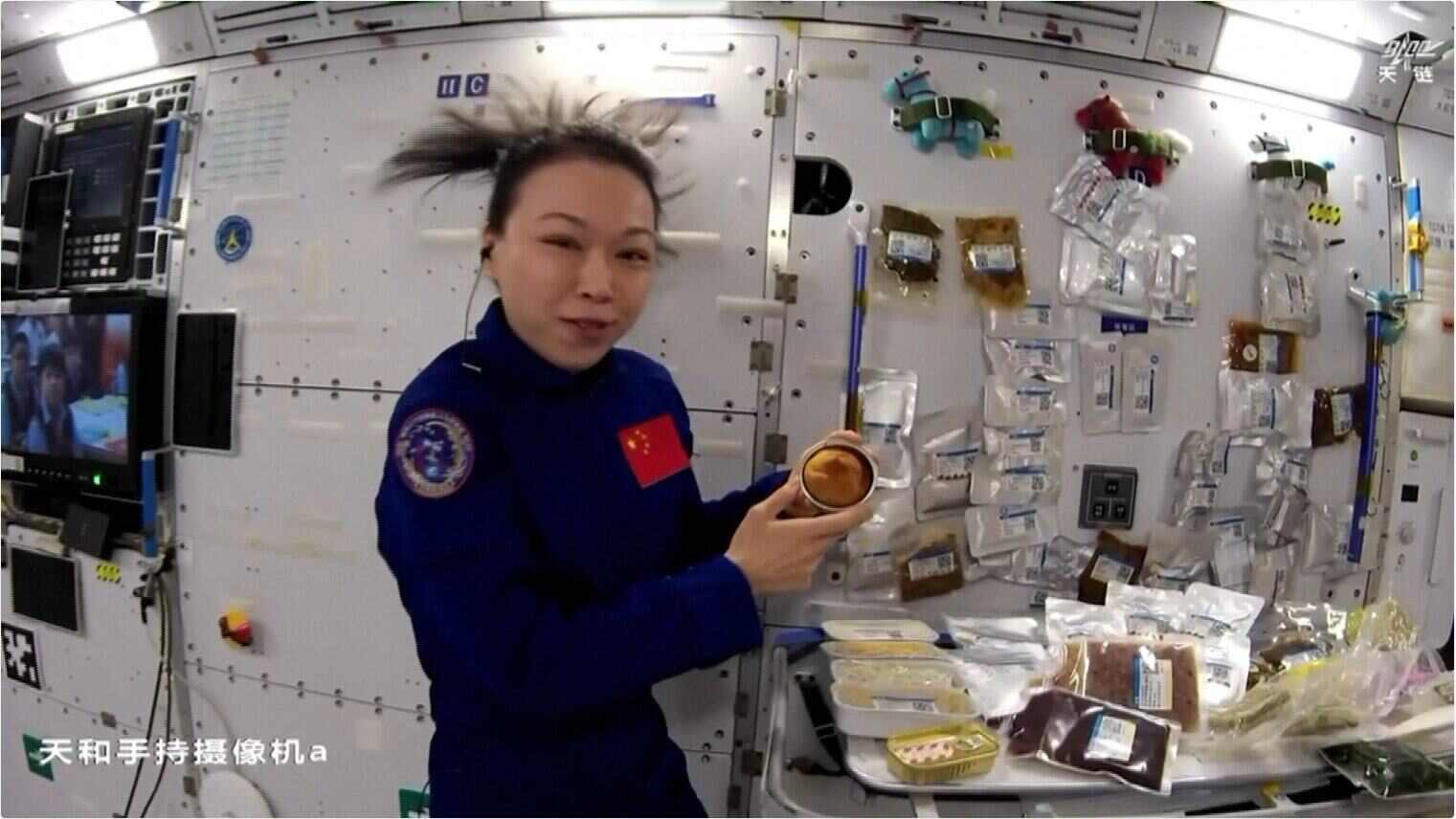
We can also take a look at how the food served on China’s Tiangong space station provides astronauts with nourishment and a comforting taste of home.
Boasting a menu with over 190 different dishes, the Astronaut Centre of China provides ready-to-eat meals including items such as steamed white rice, mapo tofu and freeze-dried vegetables. Astronauts can even enjoy lettuce grown on the space station.
Scientists carefully calculate the required nutrients in each meal and use extra spices and thick, sticky sauces to ensure the food is packed with flavour.
A “space oven” also allows astronauts to enjoy freshly cooked food, which retains far more nutrients and a better texture than standard pre-packaged food. The oven can reach temperatures of up to 190 degrees Celsius, which is hot enough to warm meals just like a standard kitchen oven on Earth.
Food technology doesn’t just keep astronauts healthy; it also keeps them connected to Earth.
In space, crew members can celebrate the Dragon Boat Festival, Mid-Autumn Festival and Chinese New Year with traditional treats like glutinous rice dumplings, mooncakes and rice cakes. Astronauts also consume herbal drinks and traditional Chinese medicine to regulate their bodies and combat fatigue.
Creating food for astronauts requires a combination of cooking and science, proving that nutrition and taste can be balanced even under extreme conditions.
Find out more about the ingenuity of space food at the Hong Kong Space Museum’s new special exhibition, “Reaching for the Cosmos: Astronauts’ Log Aboard Tiangong”, which opens on November 25 and runs until July 19, 2027.
Young Post has partnered with Hong Kong Science Museum and Hong Kong Space Museum to encourage your pursuit of science. Every month, the museums answer questions about the world around us, the cosmos and beyond.