YoungPost Club Learn
DOWNLOAD OUR APP
appstoregoogleplay
FIND US AT
My JourneyMy Vocabulary BuilderMy Leaderboard
My AccountSearchFAQAbout UsContact Us
Subscription Plan
School Subscription
YOUNG POST
NewsTrendingBeing wellLearning zoneShare with usQuizzes
SPARK
NewsTrendingBeing wellLearning zoneShare with usQuizzes
POSTIES
Big readEye on the newsHa-ha-happeningsThings to doYour saySteam studioHealth and happinessQuizzes
Subscribe to Young Post Club to access our great content
ABOUT US|CONTACT US|WRITE FOR US|PRIVACY POLICY|TERMS & CONDITIONS
©2026 Young Post Club. All rights reserved.
My Journey Hello
Brand Avatar
Young Post
My Journey illustration

With a subscription, you can answer quizzes and track your reading progress.

result
Learn new words with our vocabulary challenge!
My Journey illustration

With a subscription, you can answer quizzes and track your reading progress.

result
Learn new words with our vocabulary challenge!
My Journey illustration

With a subscription, you can answer quizzes and track your reading progress.

Trending

5 everyday objects with surprising origin stories, from bubble wrap to Kleenex

Did you know chainsaws were intended for use in childbirth and tattoo needles were invented by Thomas Edison?
byAllegra Khomara
Published: 12:00am, 27 Aug 2026
Length: 456 words
5 everyday objects with surprising origin stories, from bubble wrap to Kleenex

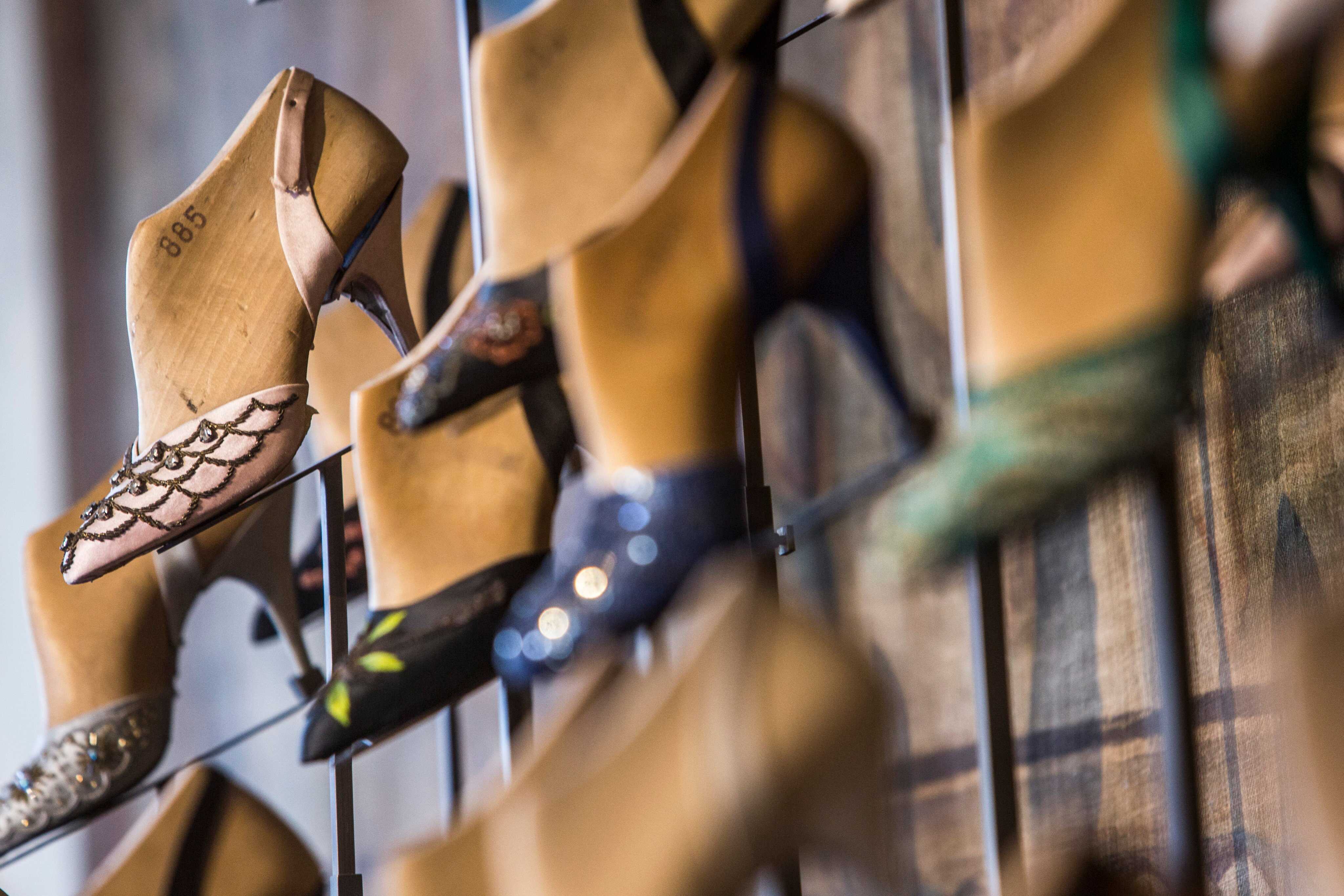
The history of high-heeled shoes dates back more than 1,000 years. Photo: Alessandra Benedetti/Corbis via Getty Images

Most objects you see today are used for the purpose they were designed for – or at least, something in the same realm. But others were created for surprisingly different reasons. From chainsaws to high-heeled shoes, check out these items that are used for very different reasons than when they were invented.

High-heeled shoes

The history of high-heeled shoes dates back to 10th century Persia – modern day Iran – where they were primarily worn while horse riding to lock the rider’s feet in the stirrups and provide stability, especially when using weapons. In 17th century Europe, heels were a symbol of aristocratic status and masculinity, but they came to be seen as women’s footwear in the 18th century.

Chainsaw
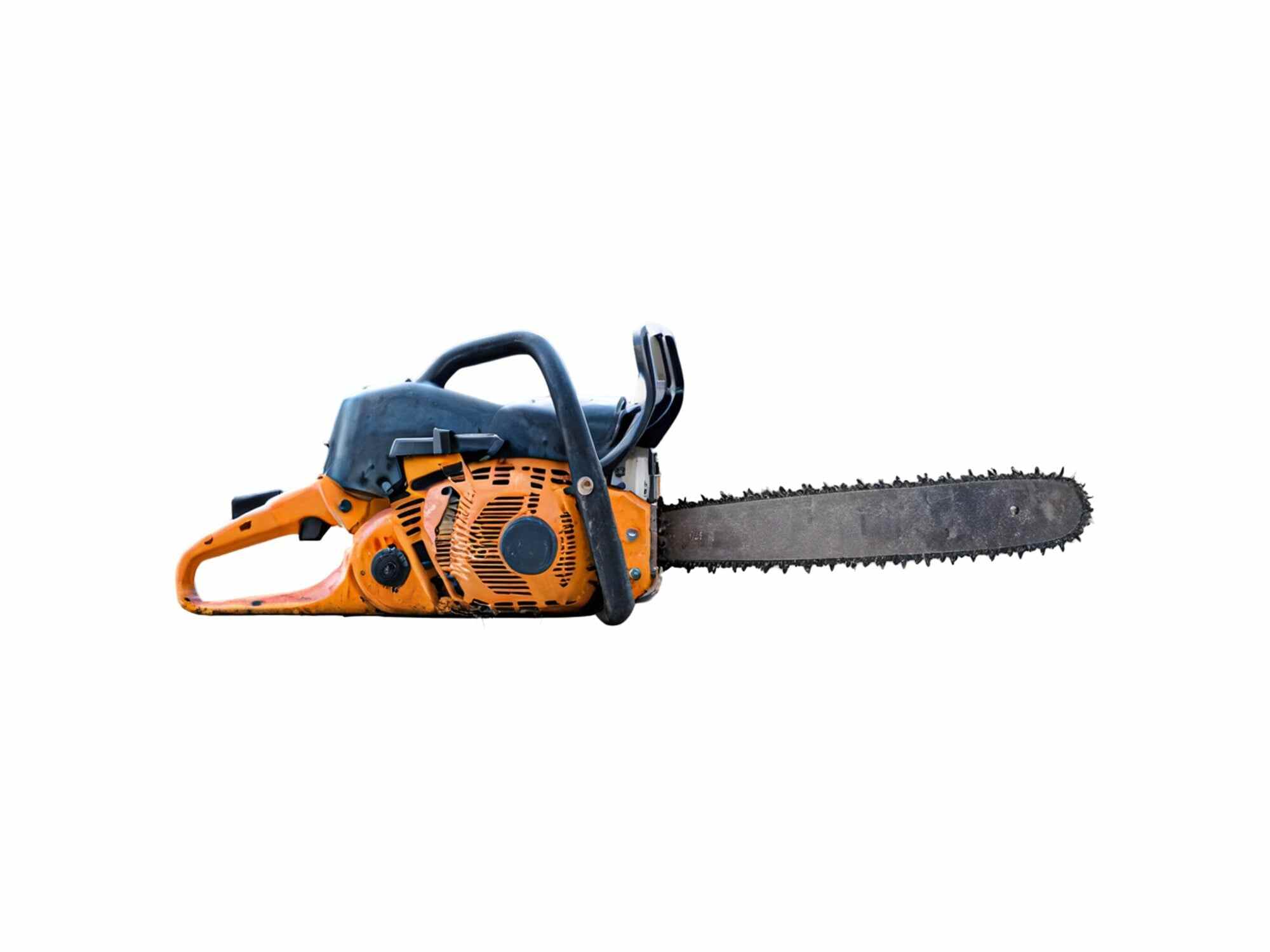
It’s hard to believe chainsaws were used on human bodies – or for anything other than cutting down trees. Photo: Shutterstock

The chainsaw was originally created to assist in childbirth and is now used to cut down trees. The current adaptation is electric and much larger, but the idea of using a smaller, manual device to cut through a person’s body without anaesthesia is still hard to fathom.

In the 1780s, the tool was used to amputate parts of the body and cut out diseased bone sections. Additionally, to assist in difficult childbirth, the chainsaw was used to cut through the mother’s pelvic bone and cartilage faster in cases where a baby had become trapped.

Bubble wrap
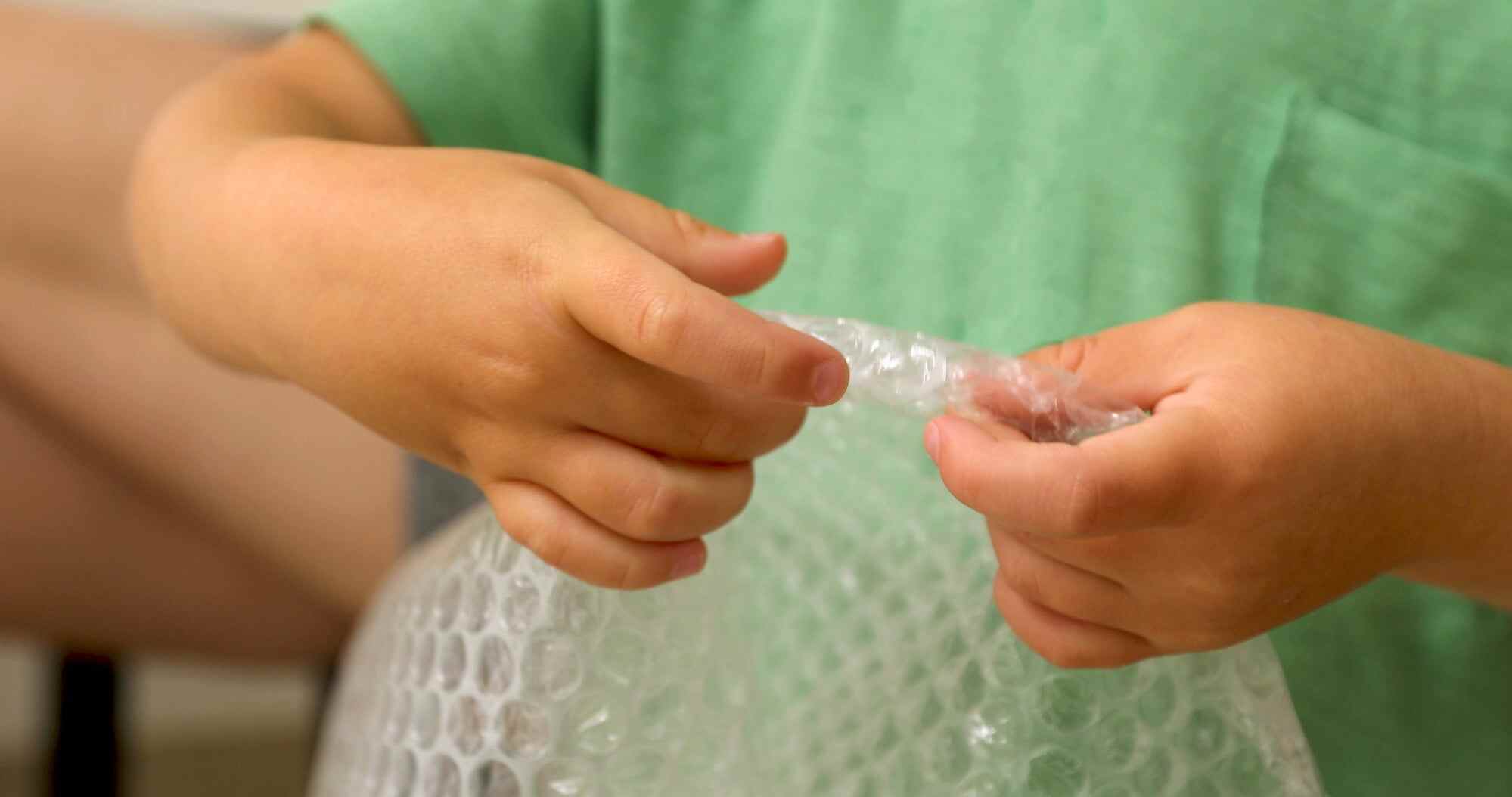
Would you want your walls covered in bubble wrap? Photo: Shutterstock

What is now a great item to fidget with was created as a textured wallpaper in the 1950s. The design didn’t take off, however, as consumers found the plasticky bumps unappealing. If you think about it, those walls would have become an interactive toy, eventually losing their bubbles. The creators soon realised that bubble wrap had far bigger potential in the shipping industry as a protective packaging material.

Kleenex facial tissues
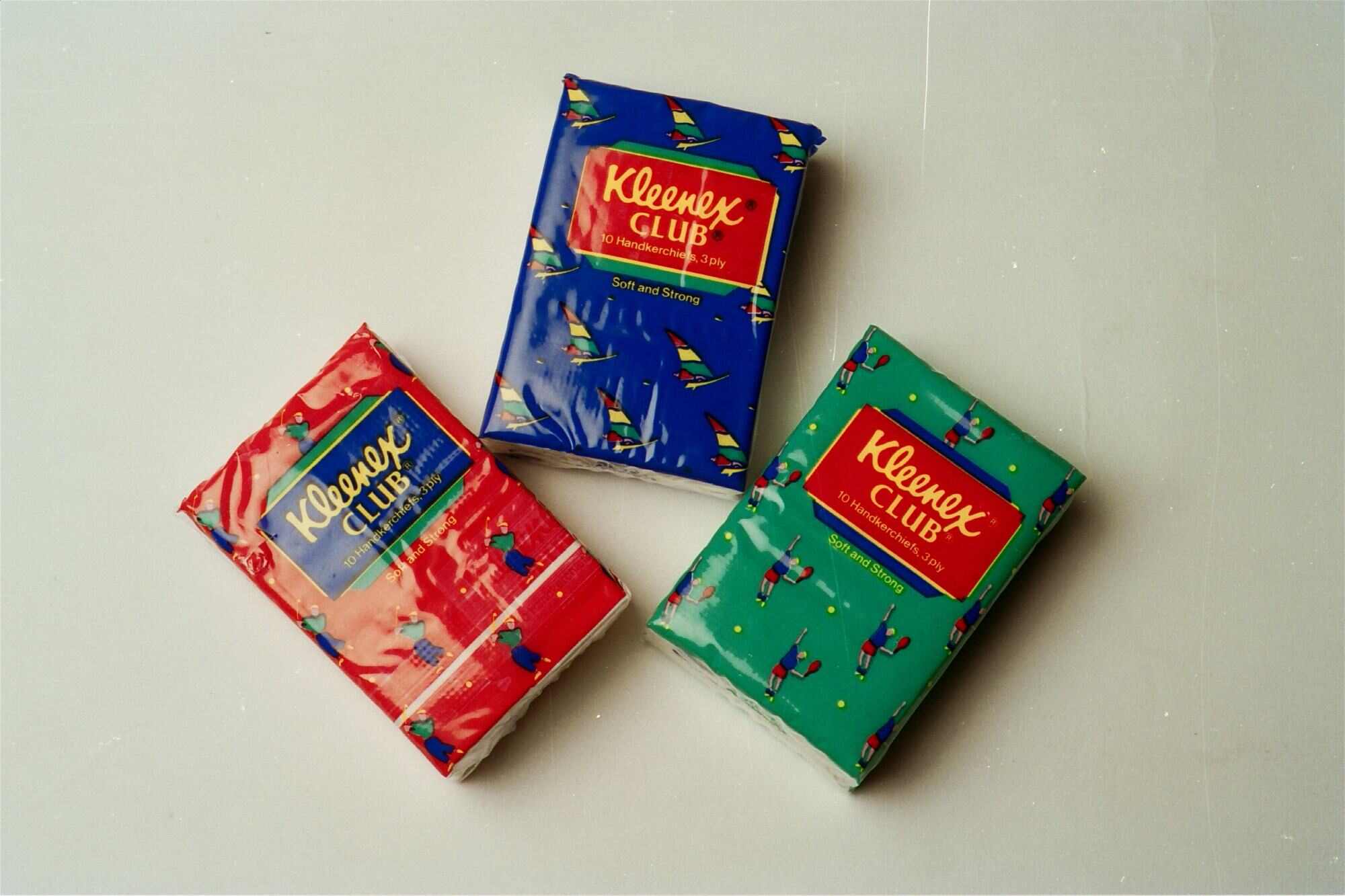
Kleenex facial tissues were first used in gas masks during WWI. Photo: SCMP

During World War I, Kleenex crepe paper was developed as an absorbent material for use inside gas mask filters to trap poisonous vapours. After the war, the company adapted that crepe paper to create women’s sanitary products. Later, it began making facial tissues for removing make-up and face cream, marketing the tissues as disposable handkerchiefs.

The electric tattoo needle
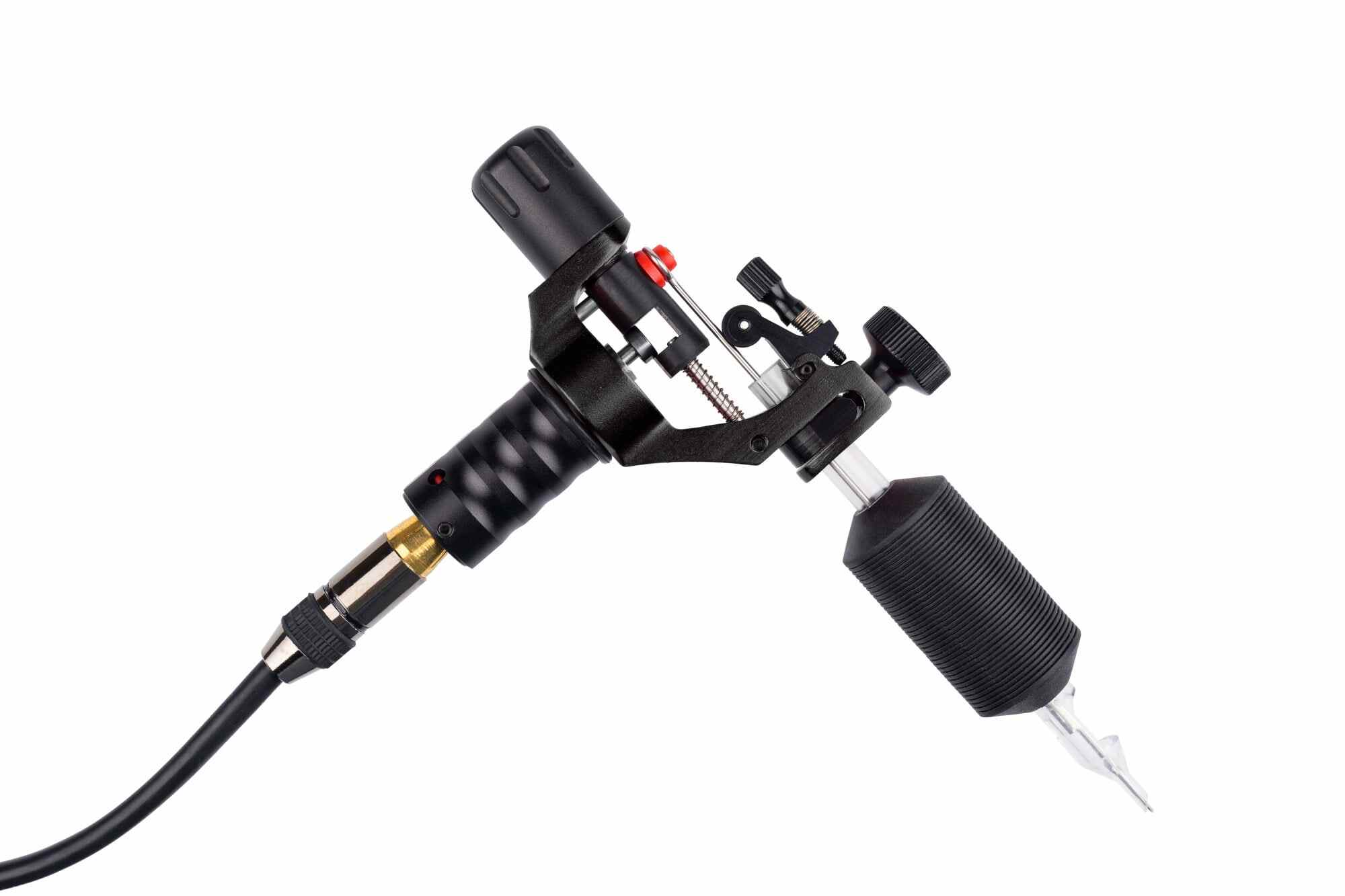
Could you imagine using this as a pen? Photo: Shutterstock

The tattoo needle was meant to be an electric pen.

You may be wondering, “What is an electric pen?” That’s because the invention, created by Thomas Edison in 1875, never took off as intended.

The design was adapted by tattoo artist Samuel O’Reilly in the 1890s to invent the first-ever electric tattoo needle, revolutionising the industry and keeping the original electric pen design in use.

IN THIS ARTICLE
Listicles
From YP readers
KEEP READING
cover
Culture
6 spots in Hong Kong to find street art that celebrates the city’s culture
21 Aug 2026
cover
Great Reads
9 books that teens should read according to Hong Kong indie bookstores
25 Sep 2025
cover
Features
5 Hong Kong independent bookstores share their summer reading recommendations
03 Aug 2025