Every week, Talking Points gives you a worksheet to practise your reading comprehension with exercises about the story we’ve written.
When you were younger, you probably had a teddy bear you loved even when it started looking worn out. Maybe you also had a treasured blanket you slept with every night. Over time, objects like these become old, stained or even ripped. But these signs of use are proof of the love we gave them.
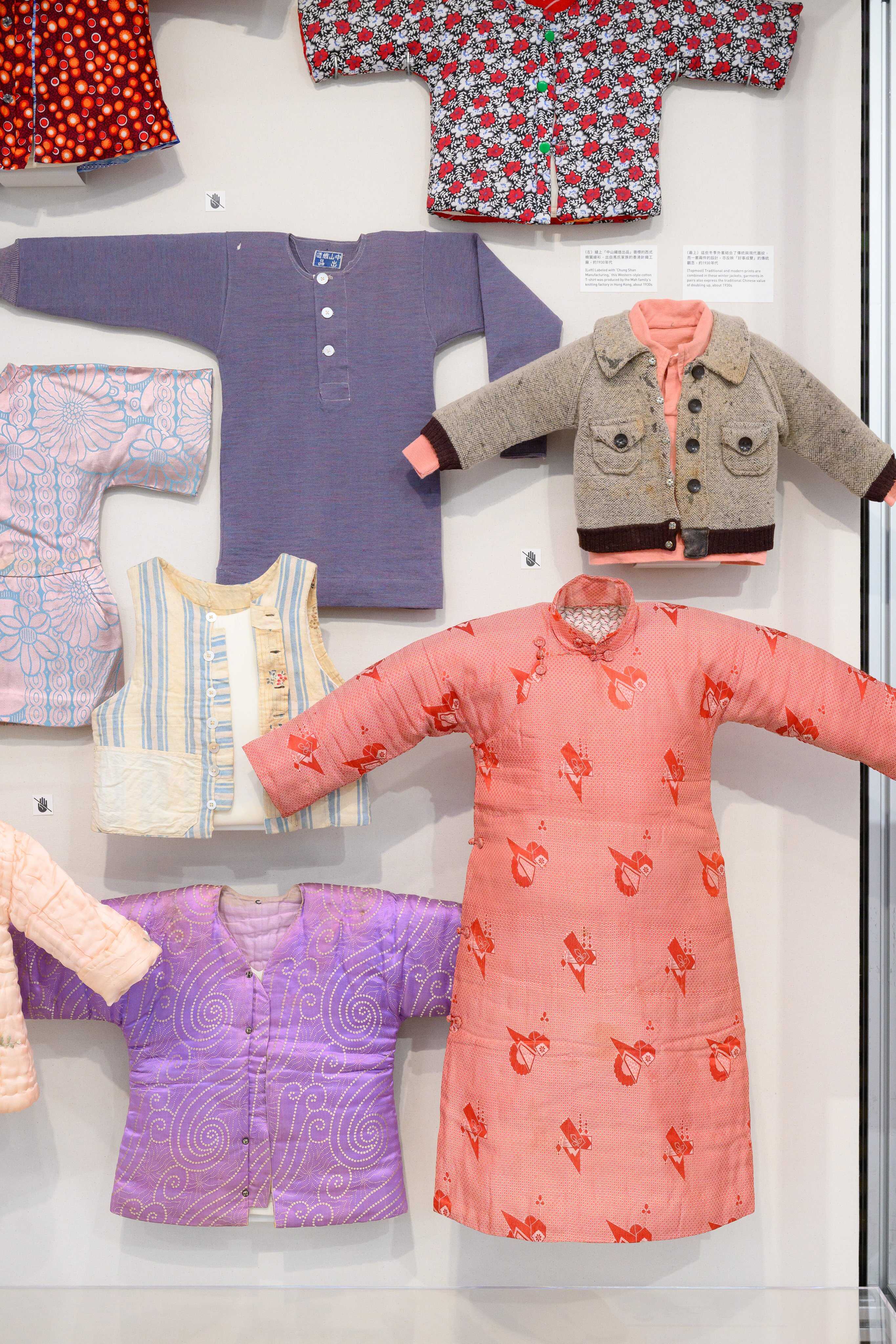
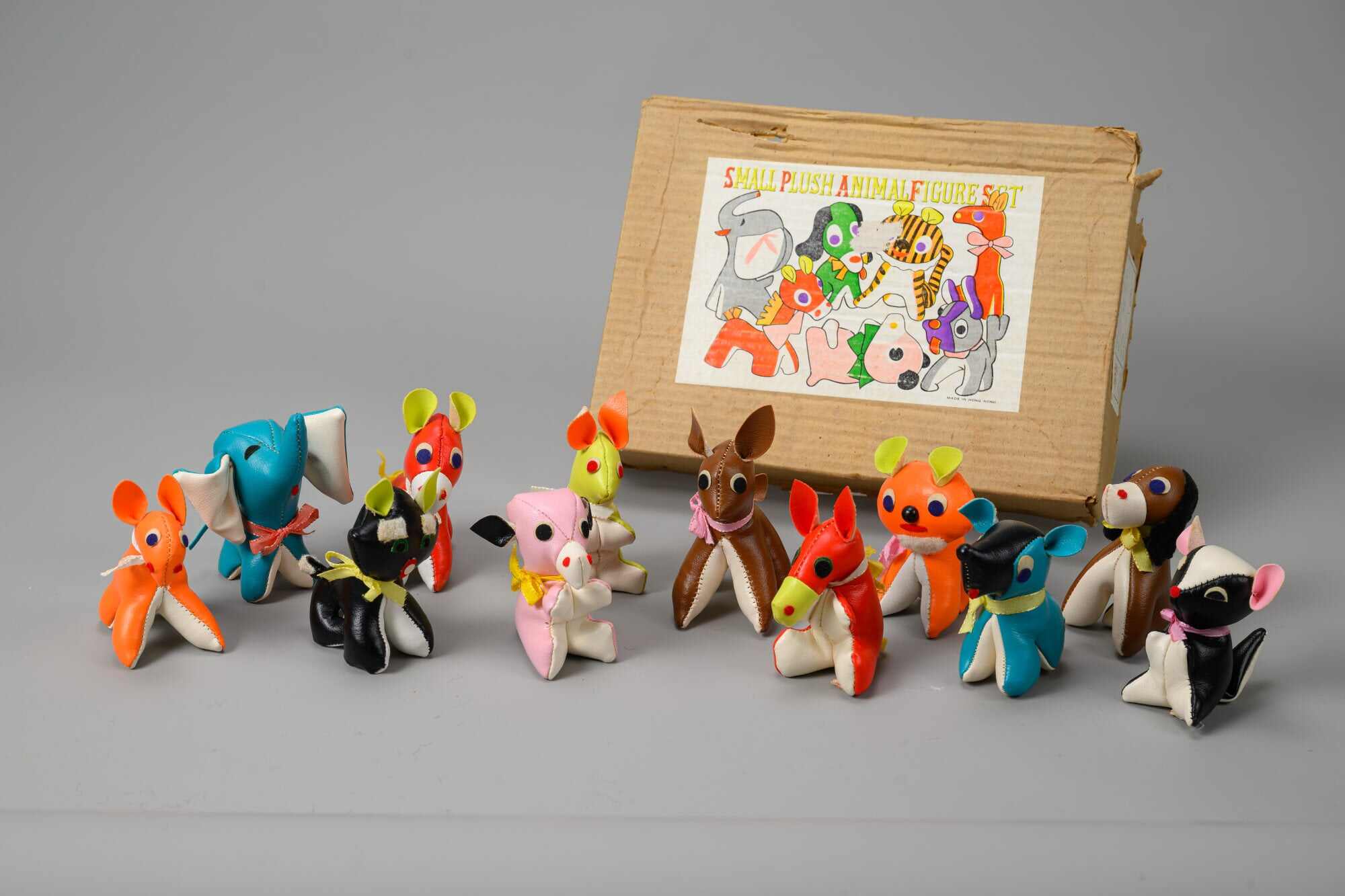
An art centre in Hong Kong is giving these objects their place in the sun. The “Snuggle and Stitch” exhibit at the Centre for Heritage, Arts and Textile (CHAT) showcases local childhood textiles from the 1930s to the modern day. Items include home-made clothes and dolls, as well as ready-made fashion and mass-produced toys.
Bruce Li, an associate curator at CHAT, put together the exhibit. He said the items on display represent how people showed care for one another. They highlight the ways that Hongkongers have adapted to tough times.
“People were very resourceful. Problem-solving was like a day-to-day exercise,” said the curator, who is in his 30s. “For kids, when they couldn’t afford a proper soft toy or doll, they just used a simple piece of string … maybe poked through a tin can or a bottle cap, and it became a spinning [toy].”
Representing Hong Kong’s heritage
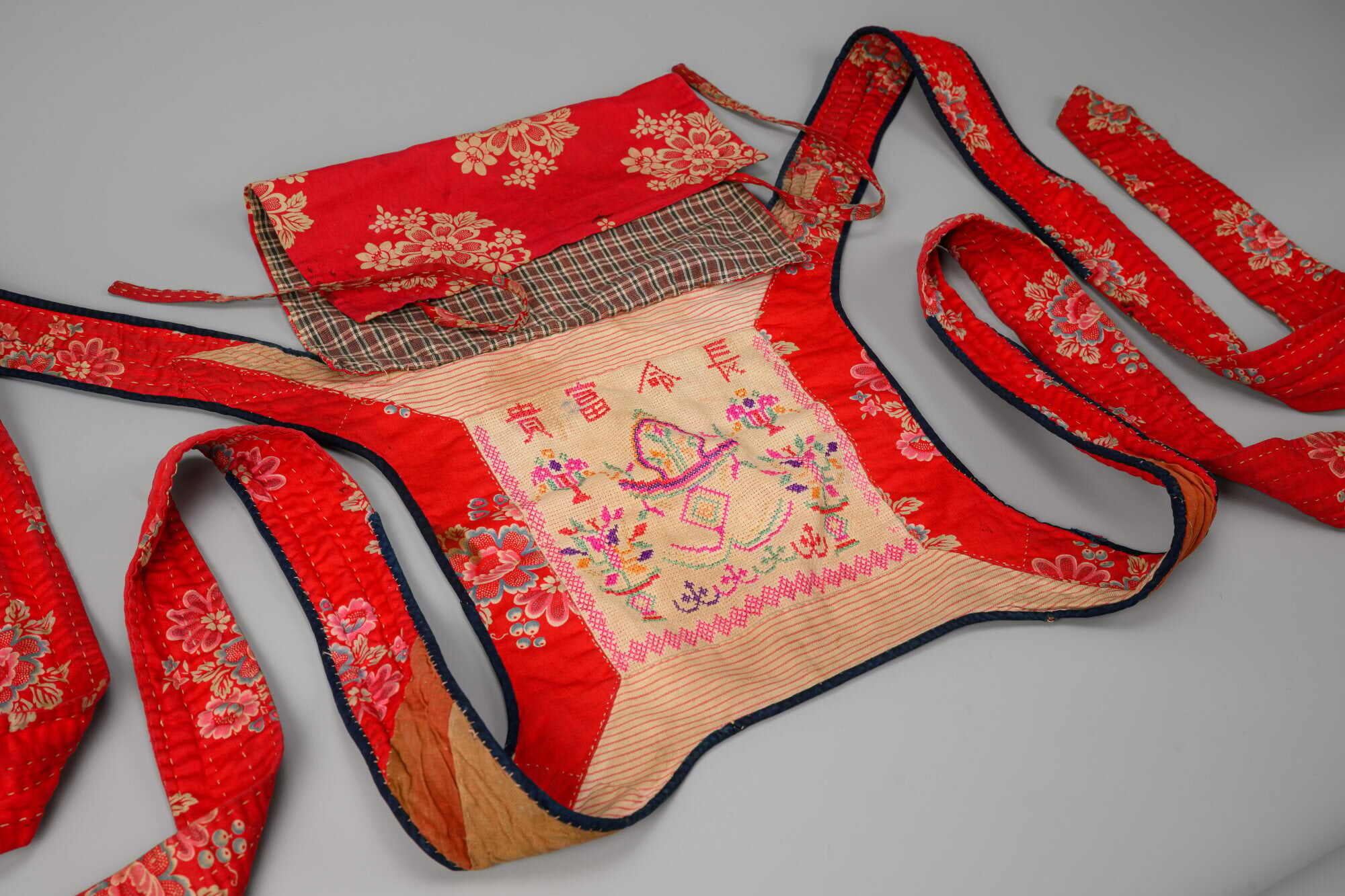
The exhibit displays garments that were part of families’ everyday lives. For example, a simple fabric with sturdy straps could be tied to safely hold a baby on a caregiver’s back. Children’s clothes and blankets were often repeatedly repaired by hand because it would be too expensive to buy new ones.
Textile and garment manufacturing played a major role in Hong Kong’s economic development, especially from the 1960s to 1980s.
CHAT is part of The Mills, a heritage conservation project. It is housed on the site of a textiles factory that closed in 2008.
“The textile industry in Hong Kong is a thing of the very recent past. Surrounding our community are all the retired workers or stakeholders of the industry,” Li explained.
He hopes the exhibit will inspire former garment workers to share their stories.
“It’s a thing to be proud of. For me, making exhibitions has this effect to catalyse the conversations between the generations,” he said.
Connections and empathy
At the exhibit, visitors can also try old children’s games. One common playground activity, cat’s cradle, requires just a string and at least two players, who take turns creating different patterns with their fingers. Games like this show the importance of physical connection.
As life becomes increasingly digital, textiles help people stay connected to the real world, Li said.
“When you see [a textile], you want to touch it,” he said. “It’s a medium that makes you very empathetic. When you touch something … it is just an alternative way of learning about the world. You can … be brought back to a lot of history that you forgot.”
Li explained that this interaction was key to learning more about the world.
“Once you touch something, you will be connected. And once you learn more about it, you’ve been connected to a maker … We become more appreciative of the material and more empathetic,” he said.
“I think that’s the beauty of textiles in the age of AI [artificial intelligence].”
“Snuggle and Stitch: Childhood Textiles of Hong Kong” runs until February 21, 2027. Find it in the D.H. Chen Foundation Gallery at The Mills in Tsuen Wan. Admission is free.