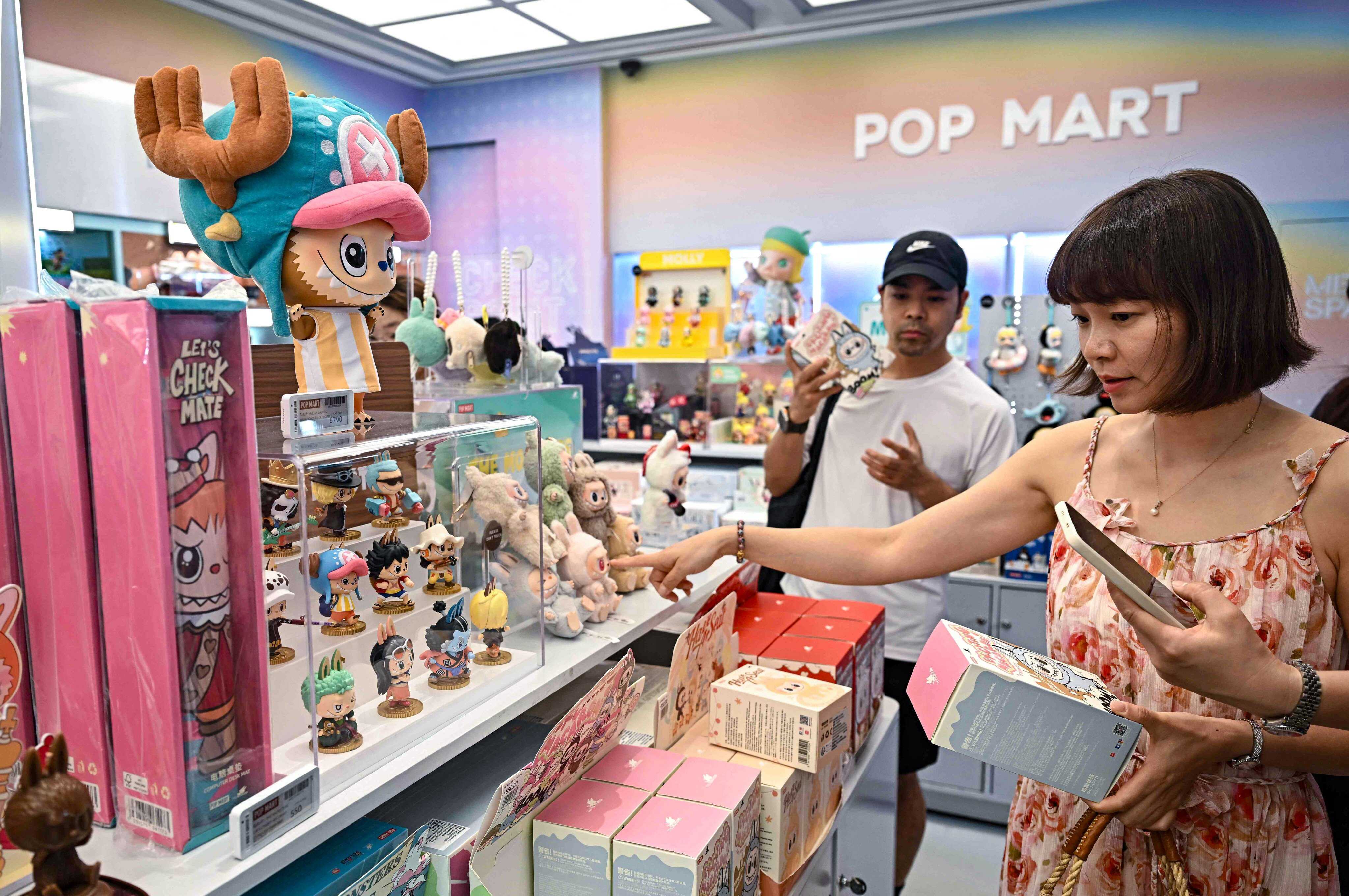
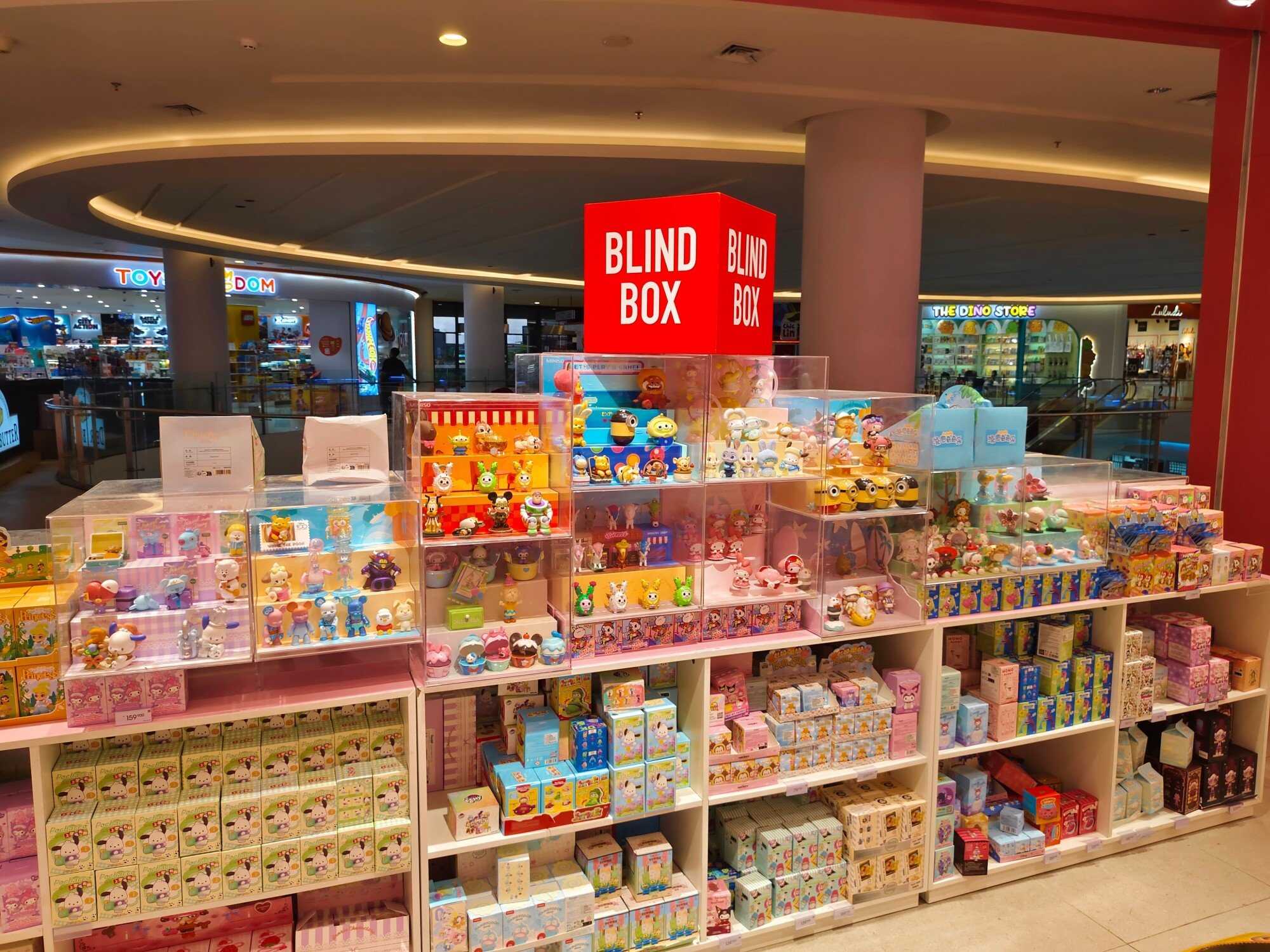
Blind boxes – packages that keep their content a mystery until they are opened – have become easy to spot seemingly all over the globe.
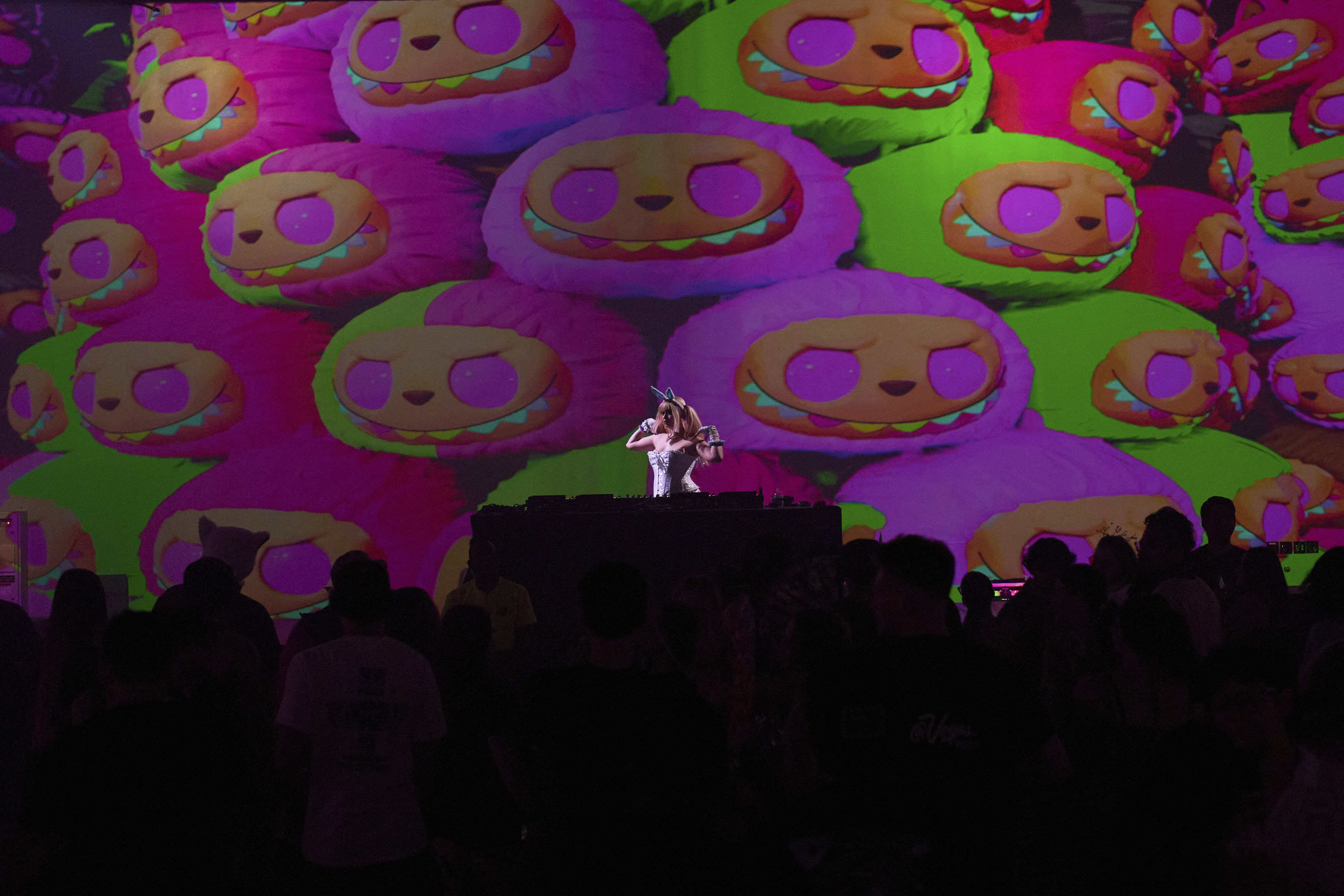
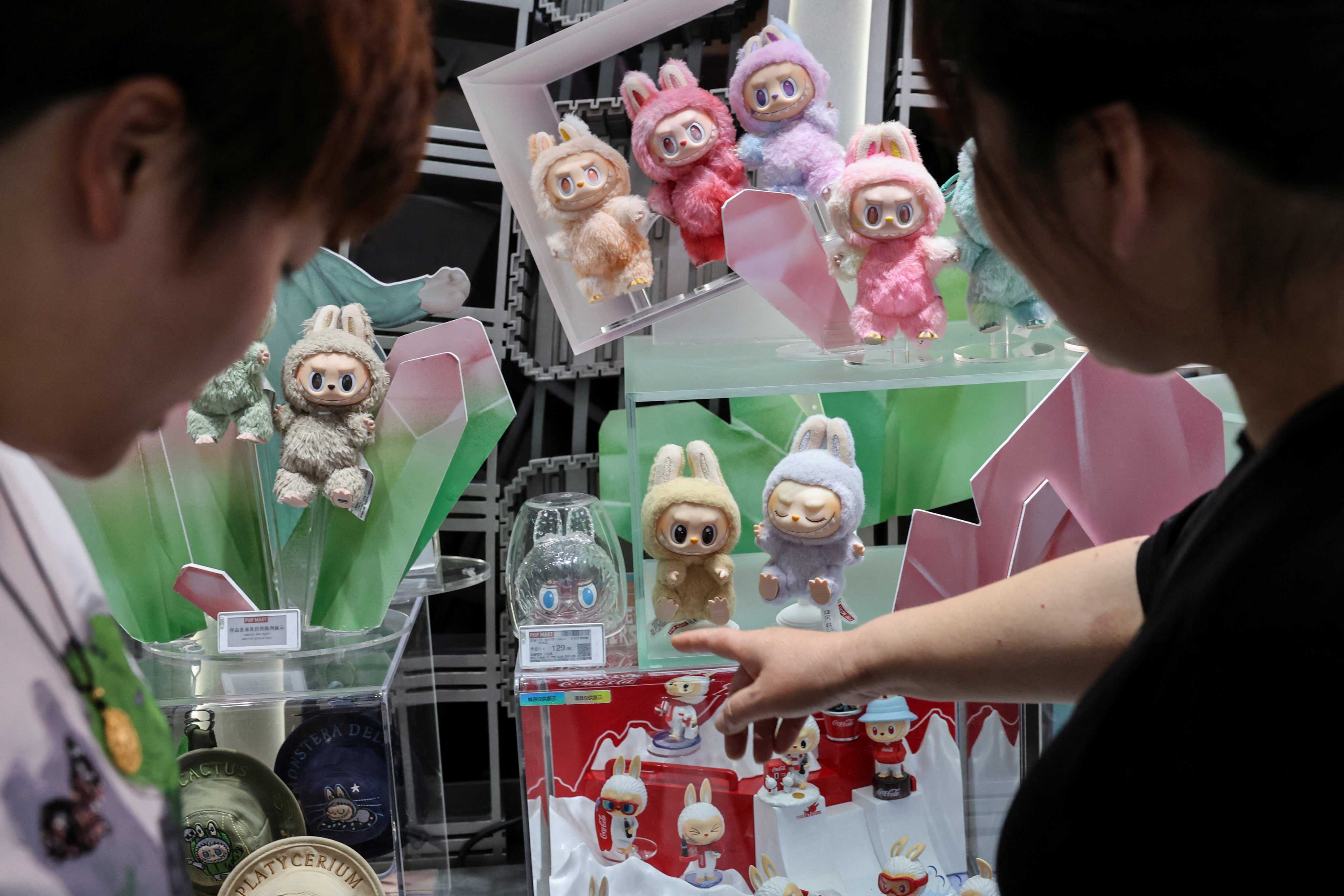
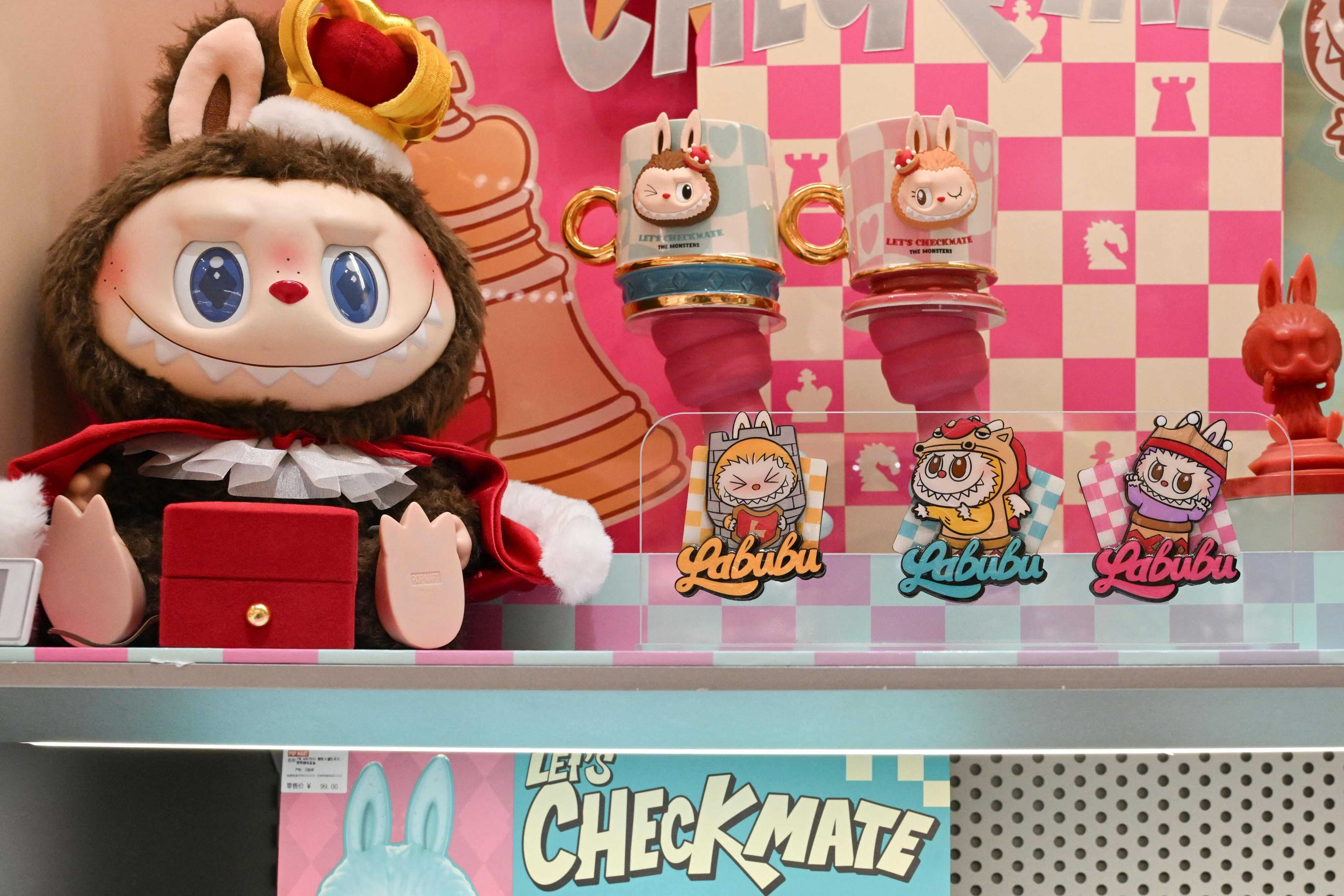
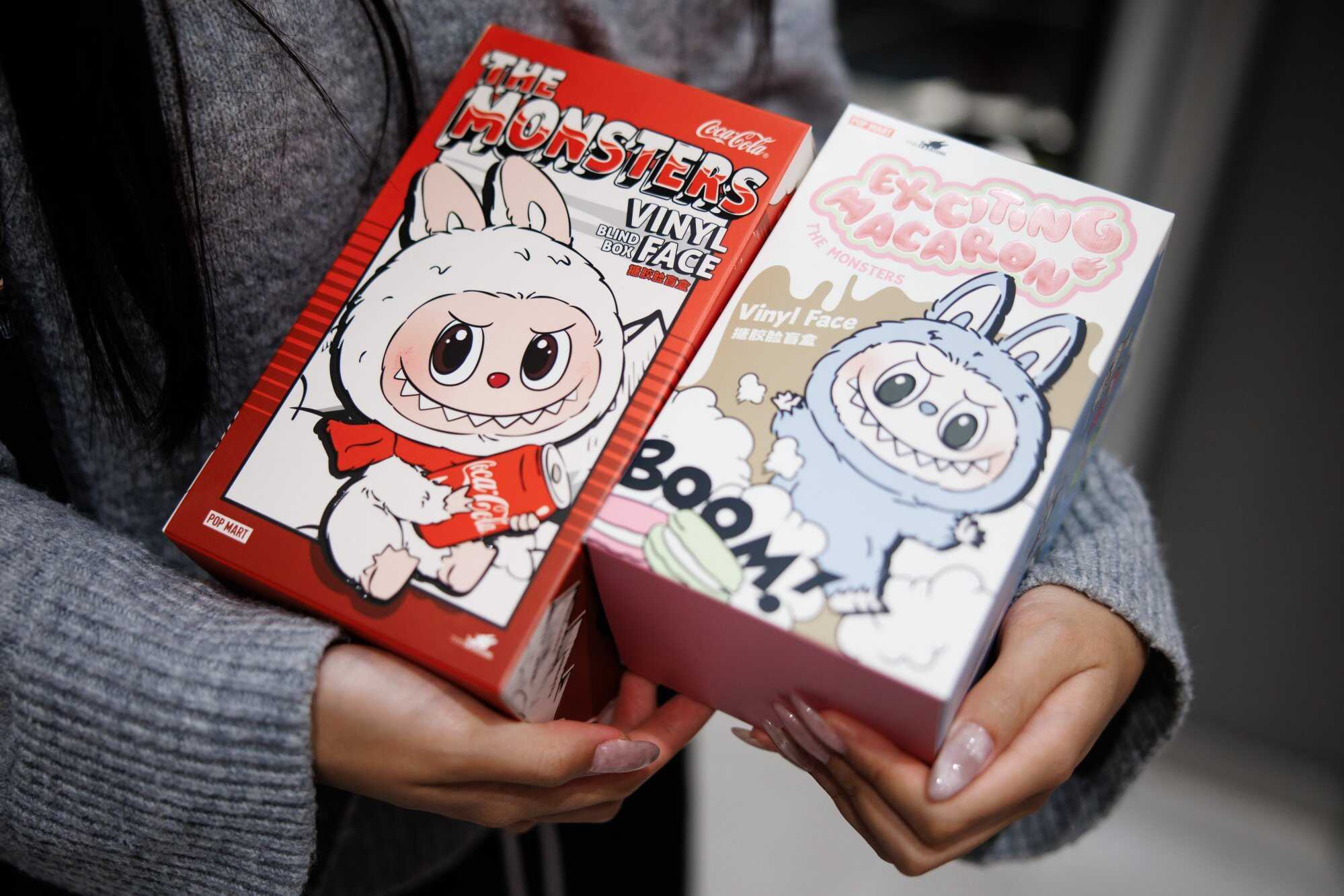
The most popular might be Labubu, a Hong Kong-born artist’s creation sold as collectible plushies by the Chinese toymaker Pop Mart. But the ugly-cute elfin creature is just one of many items that have captivated young and old alike.
Avis Ngan, a clinical psychologist, explained how blind boxes were perfectly designed to appeal to teenagers. Ngan is also the founder of Mindsight, a mental health clinic based in Hong Kong.
Why we love blind boxes
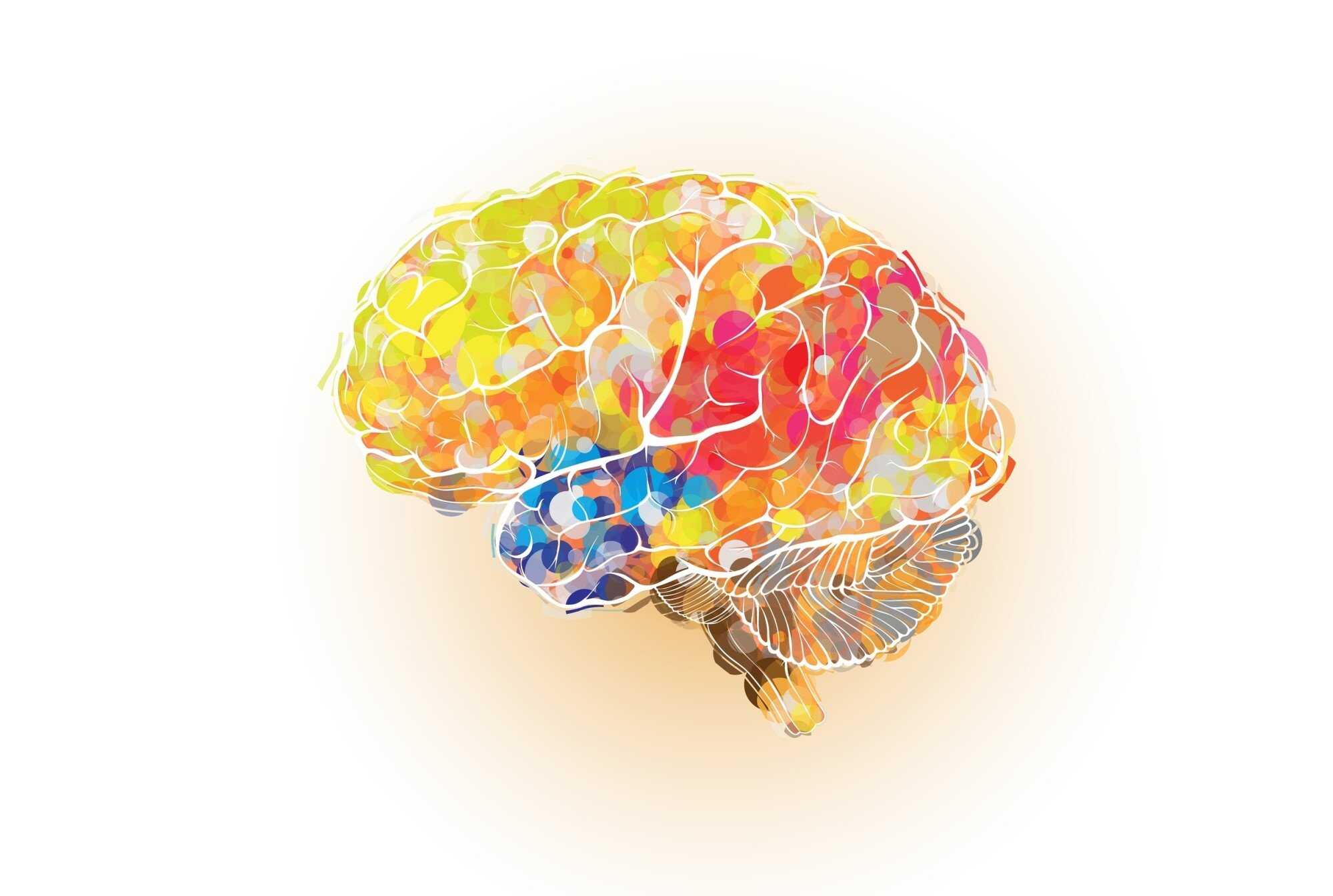
Ngan explained that opening a blind box activates the brain’s reward system in three phases. First, there is an anticipation phase that starts before we even open the box. The brain’s pleasure centre lights up with dopamine, a key chemical for motivation and pleasure, fuelled by the exciting uncertainty of not knowing exactly what is inside.
Wong, whose full name was withheld at request, is a 16-year-old student from King George V School in Hong Kong. She said she had almost completed an entire Labubu collection.
“Right before opening a blind box, I get a mix of nervousness and excitement, hoping that I’ll get something I’ve been wanting,” Wong said, adding that she would think about where each Labubu would go.
As we open the box, the brain enters its peak phase. Multiple parts are activated all at once.
“The reward circuit goes into overdrive,” Ngan said. “The visual processing areas become hyper-alert, and your memory systems engage more strongly.”
The final phase in the brain’s reward system is a resolution. The brain is flooded with more dopamine, which reinforces the experience as a “positive” one, and serotonin, which creates feelings of satisfaction.
Together, the neurotransmitters make the memory more vivid.
Ngan said teenagers’ brains are especially sensitive to rewards because they are constantly growing and forming new connections. The effects are often amplified when unboxing experiences are shared online.
“Here’s the cool thing. Your brain can’t easily tell the difference between watching someone else’s excitement and experiencing it yourself. That’s why unboxing videos are so powerful at triggering desire,” the psychologist said.

Why we keep buying more
The element of surprise in blind boxes creates a powerful dopamine release that keeps people, especially teens, coming back for more.
Ngan pointed to an experiment by American psychologist Burrhus Frederic Skinner on two groups of pigeons as an example. The first group were given treats every time they pushed a button, while the second received the food on an unpredictable schedule.
When the scientists stopped giving treats to both groups, the first group of birds quickly stopped pushing the button. The second, however, had become accustomed to surprises. They continued to push buttons in hopes of receiving a treat. This is the same science behind the blind box phenomenon.
“If every box had exactly what you wanted, you’d predictably complete the collection and probably get bored,” Ngan explained.
“But because each box is a mystery, your brain lights up … Not getting what you want can make you more excited for the next try. Your brain remembers uncertain rewards more vividly than guaranteed ones.”
The appeal for young people
For some teenagers, collecting blind boxes can be a way to find comfort and manage difficult feelings. The hobby can offer a moment of happiness and excitement, providing a small break from a stressful schedule.
Beyond the individual experience, it can also build social connections which help teenagers feel less alone.
“During the adolescent years, the social brain is highly active,” Ngan explained, adding that sharing unboxing videos and being part of collecting communities become powerful ways to forge bonds and satisfy the need to belong.
Creating a collection could help a teen develop a sense of identity and achievement. It could also strengthen family bonds, as it has for Wong’s family. The teen shared that collecting Labubus had become an interest that her mum also enjoyed. Her dad also surprised her with new items, making it a family hobby.
When a hobby becomes a problem
Ngan pointed out the importance of knowing the difference between healthy and unhealthy coping methods. He uses a traffic light system with clients who struggle to make the distinction. The system uses three colours: green, yellow and red.
A green hobby is healthy. It could involve spending within budget, offer an enjoyable and social experience, and be easy to take a break from. It should be easy to openly talk about with friends and family and leave you time for other activities.
The yellow zone is a warning. Someone might constantly think about their hobby and rush to spend more money on it. They may feel frustrated about missing out on new releases and collections, spend more than planned and devote less time to other important tasks.
A person in the red zone may spend money they do not have on their hobby. They might become anxious if they cannot buy a new box, hide their purchases from family and allow the hobby to hurt their friendships and grades.
“Remember, a hobby adds to your life. It does not take over it,” Ngan stressed.