If you are interested in joining future Face Off debates, fill out this form to submit your application.
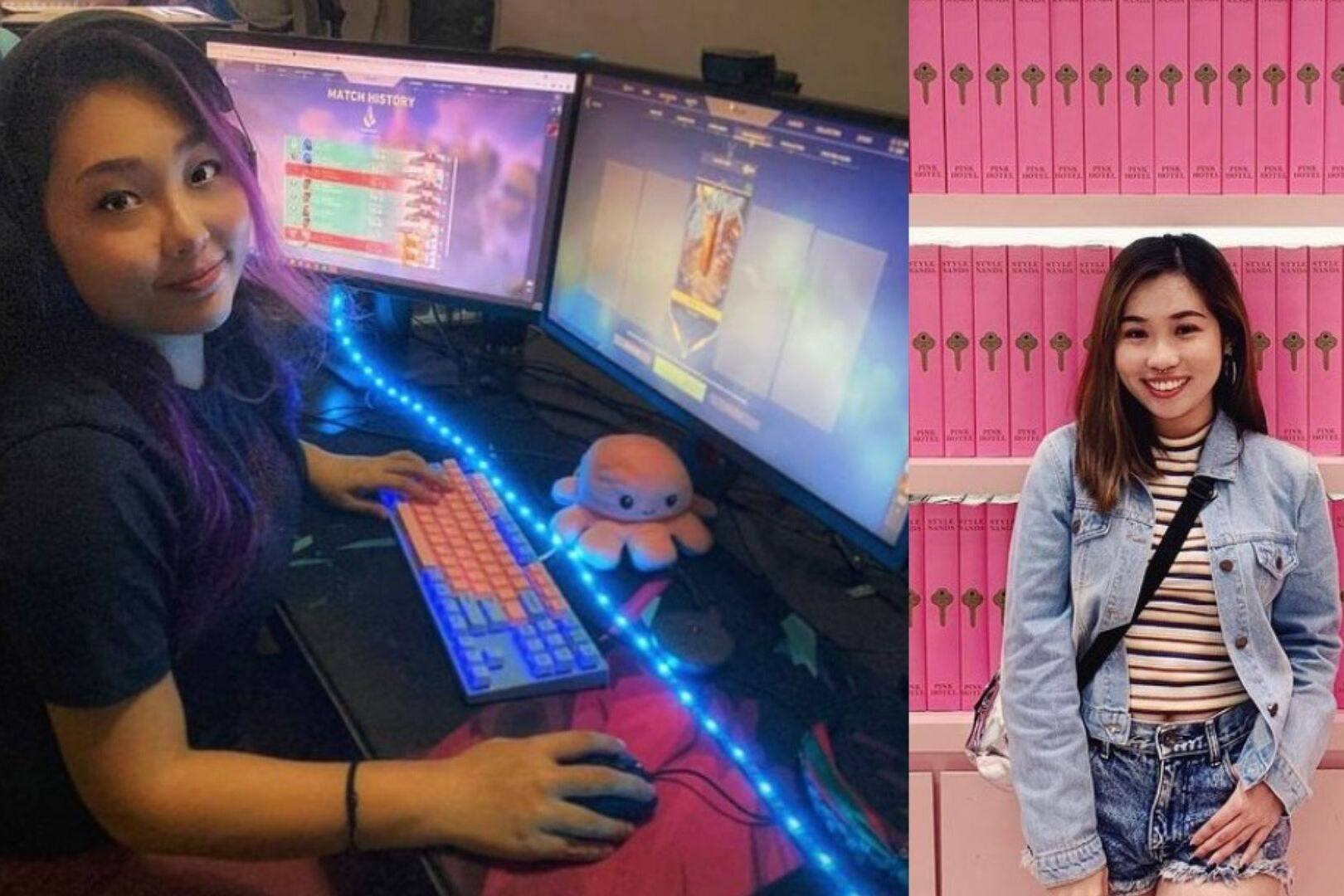
For: Leah Lei Lok-ching, 17, Cognitio College (Kowloon)
Some schools are considering whether competitive gaming should be incorporated into student activities. While some critics argue that esports will lead to excessive screen time, I believe secondary schools should establish esports teams, provided that proper teacher supervision and regulations are in place.
Esports can help students develop a wide range of transferable skills. For example, in the competitive game League of Legends, players must coordinate with their teammates, adapt to rapidly changing situations and perform under pressure. These abilities are not only essential in esports competitions but are also highly valued in academic and professional settings. Contrary to the common misconception that gaming is a waste of time, students can sharpen their skills in a structured environment by joining an esports team.
In a 2024 study of adolescents published in the journal Front Psychiatry, Canadian researchers compared 67 esports players with 109 recreational gamers. For 74.6 per cent of esports players, there were positive effects on their social relationships. Many also reported improvements in their motivation, concentration and mental health. These findings challenge the stereotype that gaming leads to social isolation.
Opponents may argue that secondary schools should not establish esports teams because gaming can lead to addiction, poor academic performance and excessive screen time. In fact, esports directly challenge this mindset. The issue is not whether students play games, as many already do. The real question is whether schools should provide a structured environment that transforms gaming into a platform for personal growth, teamwork and independence.
The same study also found that esports players spent more time online and were more likely to exhibit problematic gaming behaviours. But the study concluded that prevention and supervision are essential. In a Canadian school programme mentioned in the report, students were required to exercise, maintain academic standards and attend workshops about healthy lifestyles in order to be part of the team.
Schools therefore should provide a controlled environment where healthy habits can be reinforced, rather than leaving students to navigate gaming culture on their own.
Against: Manem Sai Shiv Sri Mrudulasya, 14, Po Leung Kuk Ngan Po Ling College
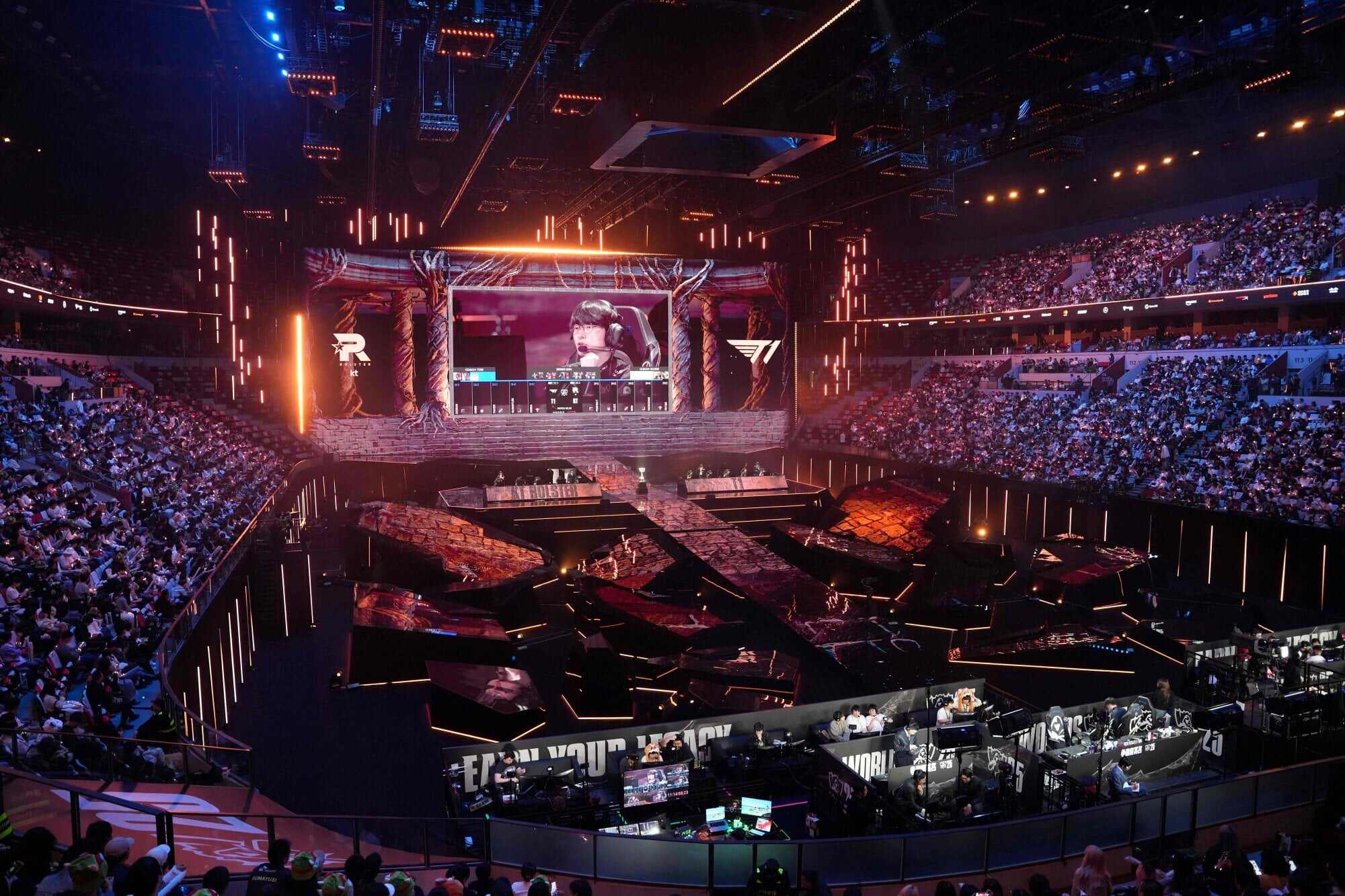
In recent years, competitive gaming, or esports, has exploded in popularity. This trend has prompted some teachers and students to support the creation of official esports teams in secondary schools. While the idea of playing video games competitively at school might sound appealing to teens, introducing esports into school is ultimately bad for students’ health, academic focus and overall well-being.
First, the introduction of esports goes against a school’s responsibility to promote healthy lifestyle habits. Secondary school students already spend many hours in front of screens, whether for homework or entertainment.
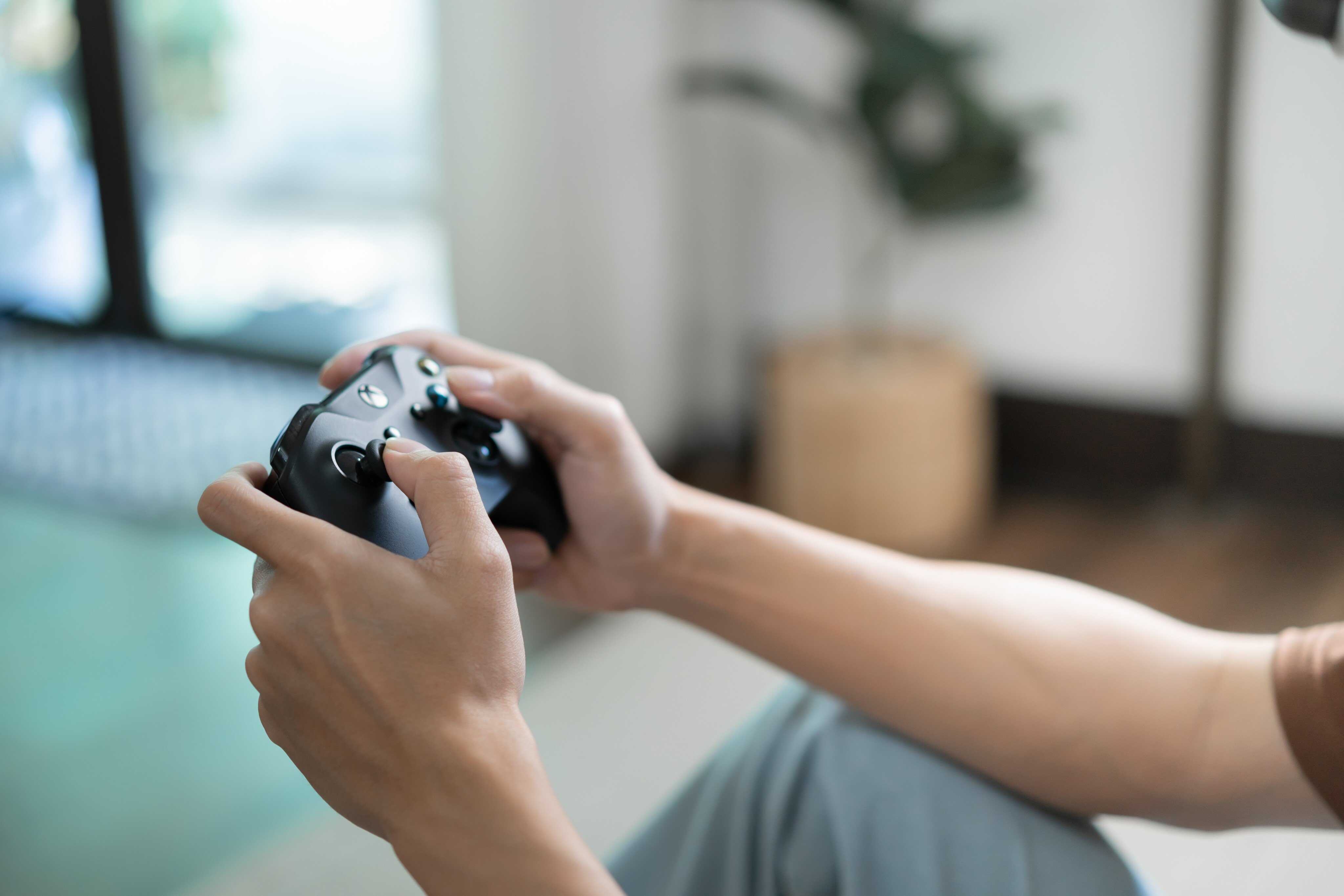
Creating an official school esports team would require students to sit through hours of training sessions after school. Excessive screen time and lack of physical activity can cause health issues, such as poor posture, wrist pain and sleep loss. Unlike traditional sports teams that build heart health and physical agility, esports teams would only tie students to chairs and screens.
Furthermore, esports can be addictive and time-consuming. High-level competitive gaming demands intense focus and practice. Managing schoolwork, test preparation and family time is already a difficult balancing act for most teenagers.
Also, if schools validate video games by forming official teams, it could blur the lines between healthy fun and academic distraction. Students may struggle to prioritise their studies, leading to a drop in their grades. The instant excitement and rewards of gaming can easily overshadow the long-term rewards of studying hard.
Finally, the social environment of online gaming is often harmful to the positive character-building that school activities should encourage. While traditional sports teach sportsmanship, face-to-face communication and emotional strength, too much gaming can lead to social isolation, as digital interactions replace meaningful, real-world relationships. And even in a supervised school environment, gaming culture could encourage toxic behaviour and online bullying.
While esports may offer a well-paying career path for a select few, the benefits are outweighed by the risks to the average secondary school student’s physical health, academic success and mental well-being. Schools should focus their limited resources on promoting physical sports, arts and interactive clubs that encourage students to step away from the digital world, rather than pull them further into it.