





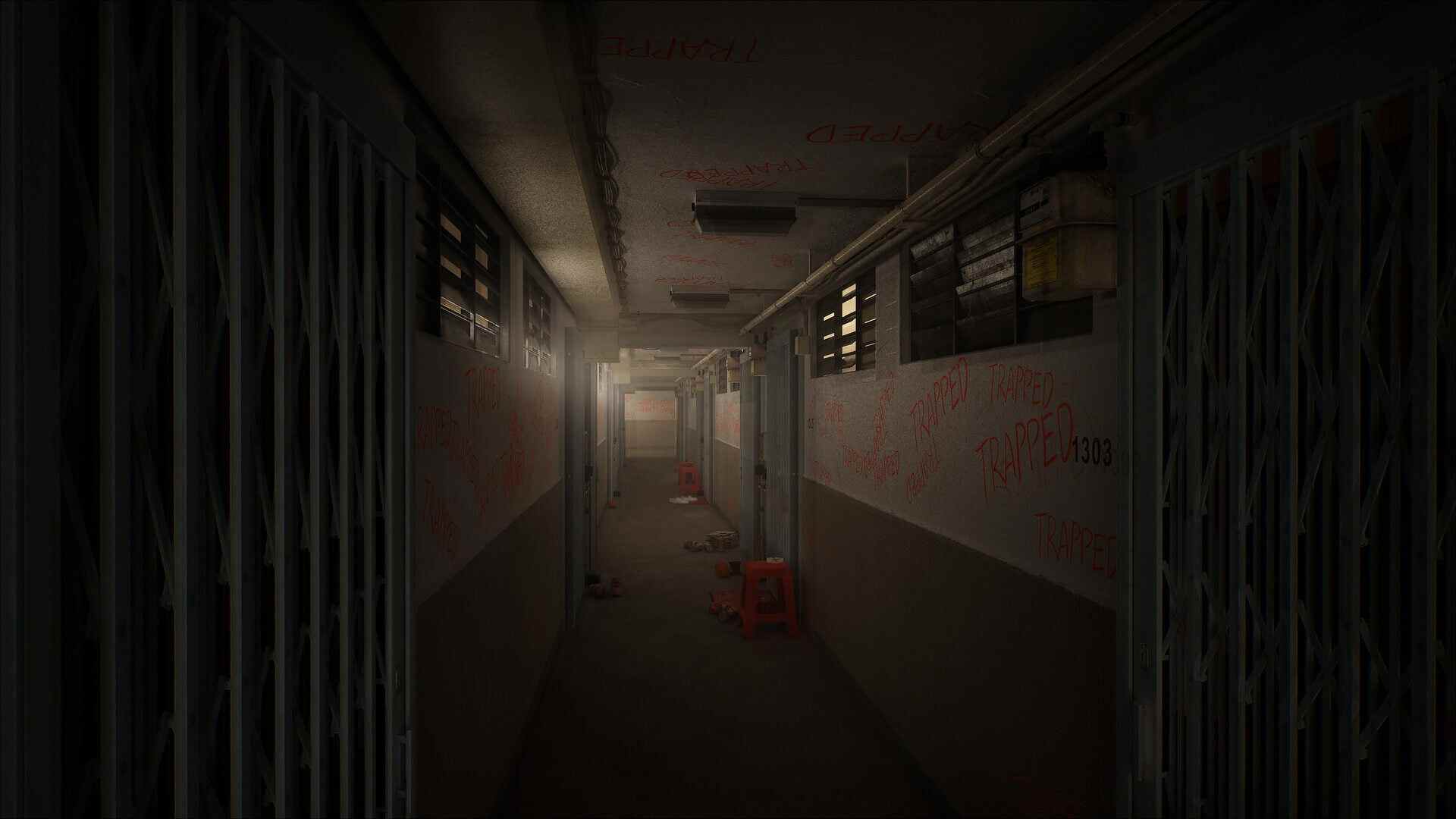
Trapped in a weathered public housing estate in Hong Kong that feels more like purgatory than home, players encounter uncanny anomalies as they wander dim hallways in search of an exit.
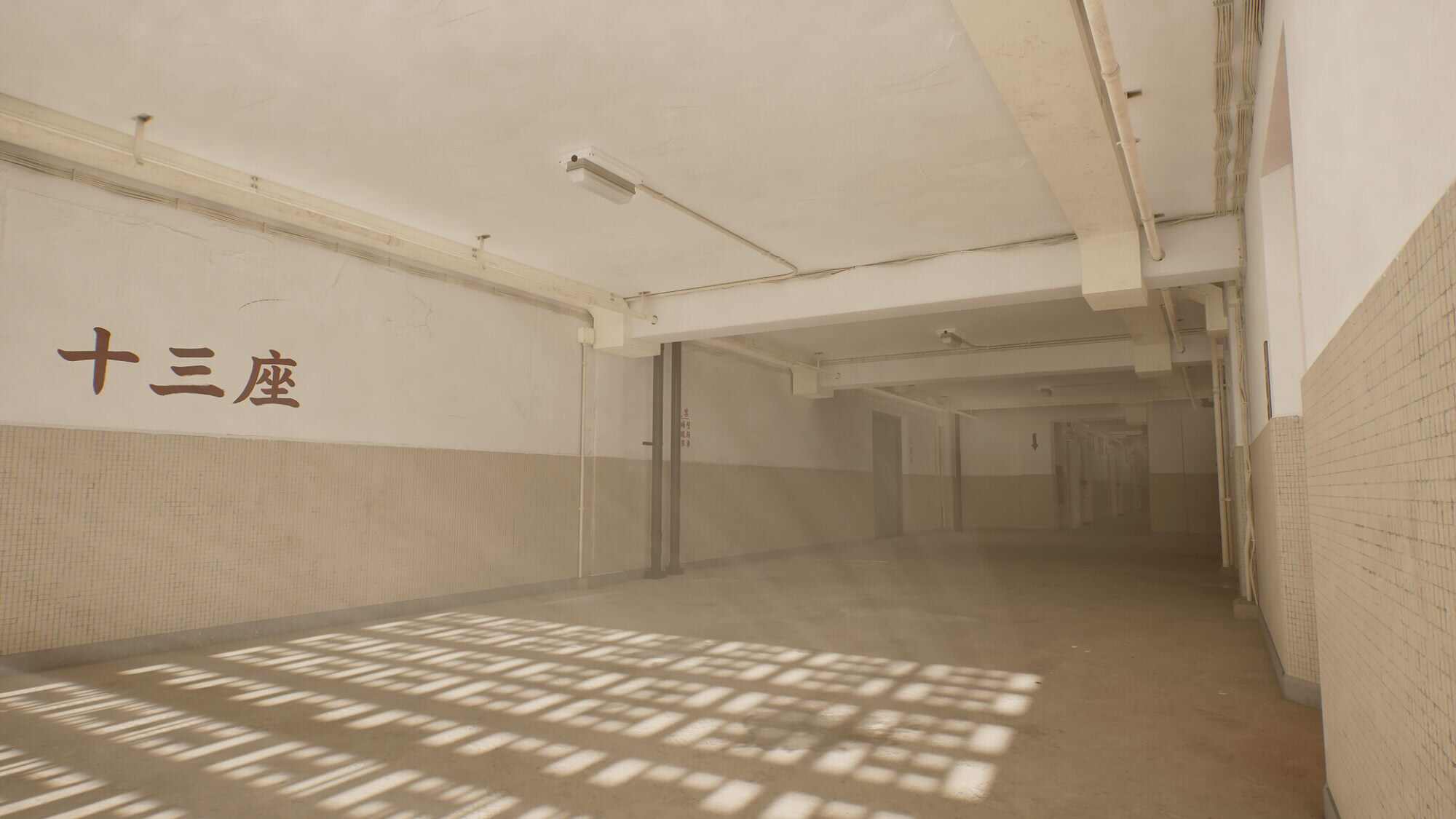
This is the haunting premise of Block 13, a first-person indie horror game built by 29-year-old developer Kennedy Liu. The Hongkonger painstakingly modelled the game’s claustrophobic layout after the iconic L-shaped blocks of Fuk Loi Estate in Tsuen Wan.
Liu has been working on this project since May 2025, and he plans to release it next year on the gaming platform Steam.
Drawing heavily from Hong Kong public housing estates built in the 1970s and 1980s, Block 13 leverages local architecture and collective memories to build natural suspense.
While some might see these estates as ordinary residential blocks, Liu views them as cornerstones of Hong Kong culture.
“When people – especially foreigners – think of Hong Kong, they instantly picture neon signs or the Kowloon Walled City,” Liu explained. “But to me, public housing is the place that nurtured multiple generations from the 50s, 60s and 70s up to today. If I had to pick something authentic that truly represents Hongkongers, nothing fits better.”
Inspired by the concept of the 18 levels of hell in Chinese mythology, each floor of Block 13 introduces a distinct narrative theme – such as labour or betrayal – expressed through supernatural anomalies. To survive and escape the building, players must resolve these anomalies by burning incense or performing other rituals.
Liu noted that he included details that would resonate with people who grew up in Hong Kong.
“I hope that besides exploring the environment, players will notice the references and hidden Easter eggs,” he said. “I incorporated a lot of elements from local culture and Chinese traditions, including superstitious concepts or social issues revolving around work and studying.”
On making the game
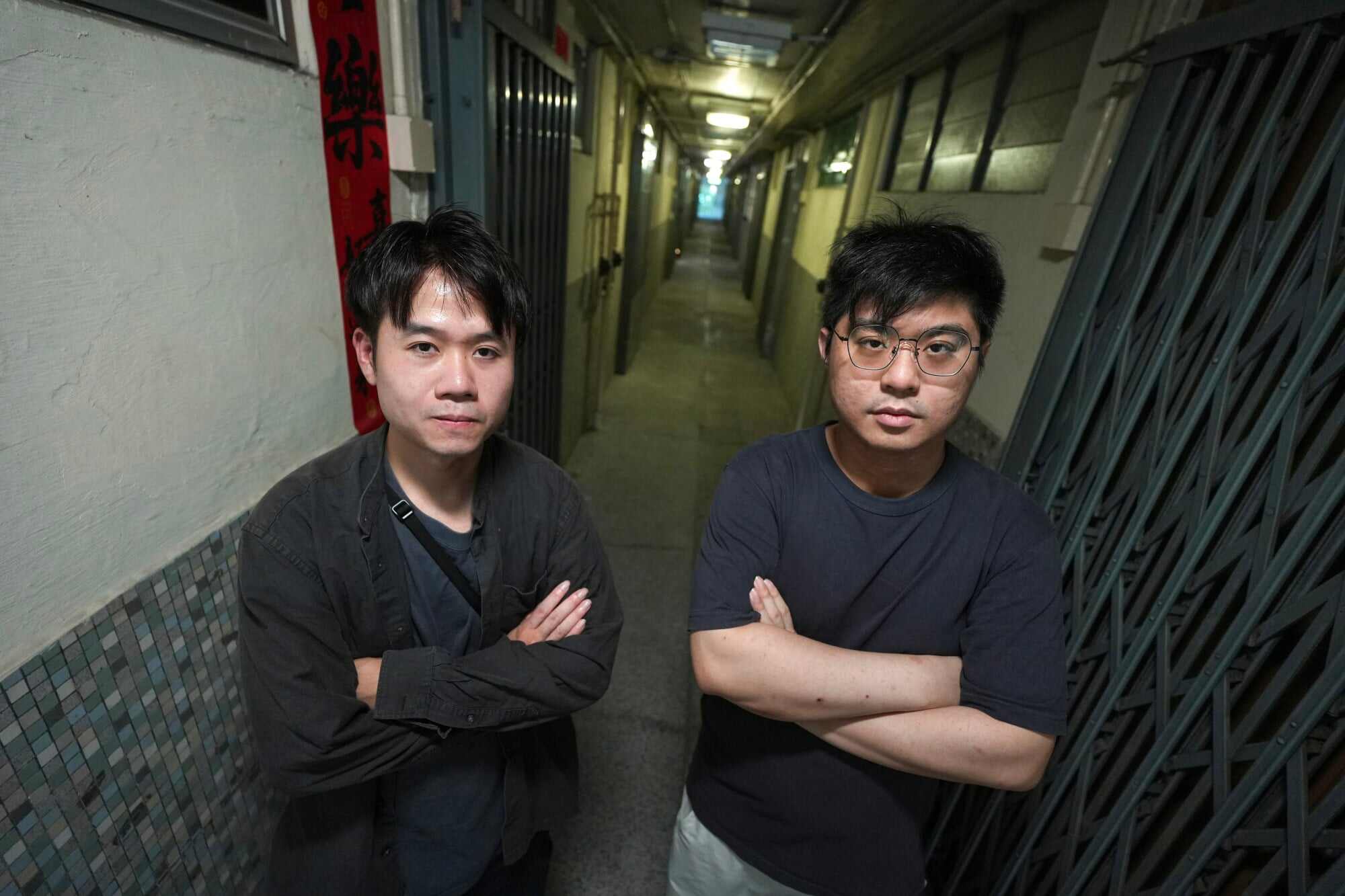
Behind Block 13 is a tight-knit, three-person operation. Liu manages the core programming, game design and 3D environment art. Two of his secondary school friends – one is a researcher and 2D artist, while the other is also a programmer – also help bring the project to life.
The game was born out of the team’s love for Hong Kong – and a lack of job opportunities.
After Liu spent six years working in the gaming industry, he found himself jobless.
“Because I was unemployed, I purely wanted to sharpen my skills – for instance, making shaders, game visual effects or gameplay logic,” he shared.
Having spent years creating stylised, cartoon assets for past employers, he seized his downtime to pivot towards photorealism.
“I had always wanted to create realistic game environments,” Liu said. “Since I didn’t get the chance to join a company doing that, I used my period of unemployment to upskill my game development abilities.”
When considering the subject for his project, Liu realised how few video games featured authentic Hong Kong settings.
He recalled thinking: “Since I’m capable of doing it, why not just make it about Hong Kong?”
Creating a game about his home meant that every design choice held deeper meaning for him.
“I realised that even if I built a lot of mechanics or technical features, if the game lacked content and a soul, it was meaningless,” said Liu, who is using his savings to fund his game.
But designing an environment set in a public housing estate meant overcoming the risk of visual monotony.
“If the whole game is just walking around identical public housing corridors, the scope for variation is tiny,” Liu noted.
That was why he incorporated the levels of hell into his design, giving each floor a distinct theme. This cultural perspective also shaped the game’s interactive elements.
“My original concept came from observing how people pray to deities whenever something happens – mostly out of personal desire, like praying for love,” Liu said.
“So burning incense when encountering anomalies in the game serves as a fun [mechanism].”
AI in the gaming industry
Block 13 is built entirely in Unreal Engine, a software designed for developing 3D computer game graphics. Liu used Blueprints – a programming language that allows users to construct the game by manipulating visual elements, rather than writing raw lines of code.
To navigate these complex systems, he also leaned on artificial intelligence (AI) to help him break down programming logic and troubleshoot concepts.
Despite AI’s growing presence in game creation, Liu emphasised that the heavy lifting of game development still relied on human hands. People are needed for 3D environment design, atmospheric lighting and optimising a game’s quality so that it runs seamlessly across systems.
Still, he shared that landing a job at a major gaming studio had become increasingly difficult worldwide.
“Investors … think, ‘If AI can do this, why pay so much to hire professionals?’” Liu noted.“The problem with AI isn’t direct replacement; it’s that it makes everyone feel like everything is easy now.”
According to Liu, even experienced developers, artists, programmers or designers who have worked at top-tier game studios are struggling to find work.
“I saw a senior artist whom I gave a job reference to last year – he used to work at major studios like Ubisoft … and his latest update is that he joined the government,” he said.
Despite the tough job market, Liu sees this era as a golden opportunity for independent creators. His advice to aspiring video game artists or developers is straightforward: take initiative and start building.
“Creating things on your own is actually the best option right now,” Liu said.
Rather than getting bogged down by traditional credentials or waiting for studio approval, he encourages creators to leverage modern tools and learn by doing.
“If you want to do it, you basically don’t need to ask for anyone’s permission or advice any more. If you want to build a taxi simulator, just build it,” he said.
“Don’t overthink it or feel like you need to take tons of formal classes because AI can teach you a lot if you take the time to read through things.”


