As you celebrate the Lunar New Year and take a well-deserved break from school, you can also indulge in some traditional snacks that might just bring good luck in your academics.
Of course, no amount of auspicious food can replace time spent hitting the books, but it never hurts to lift up your spirits with something tasty.
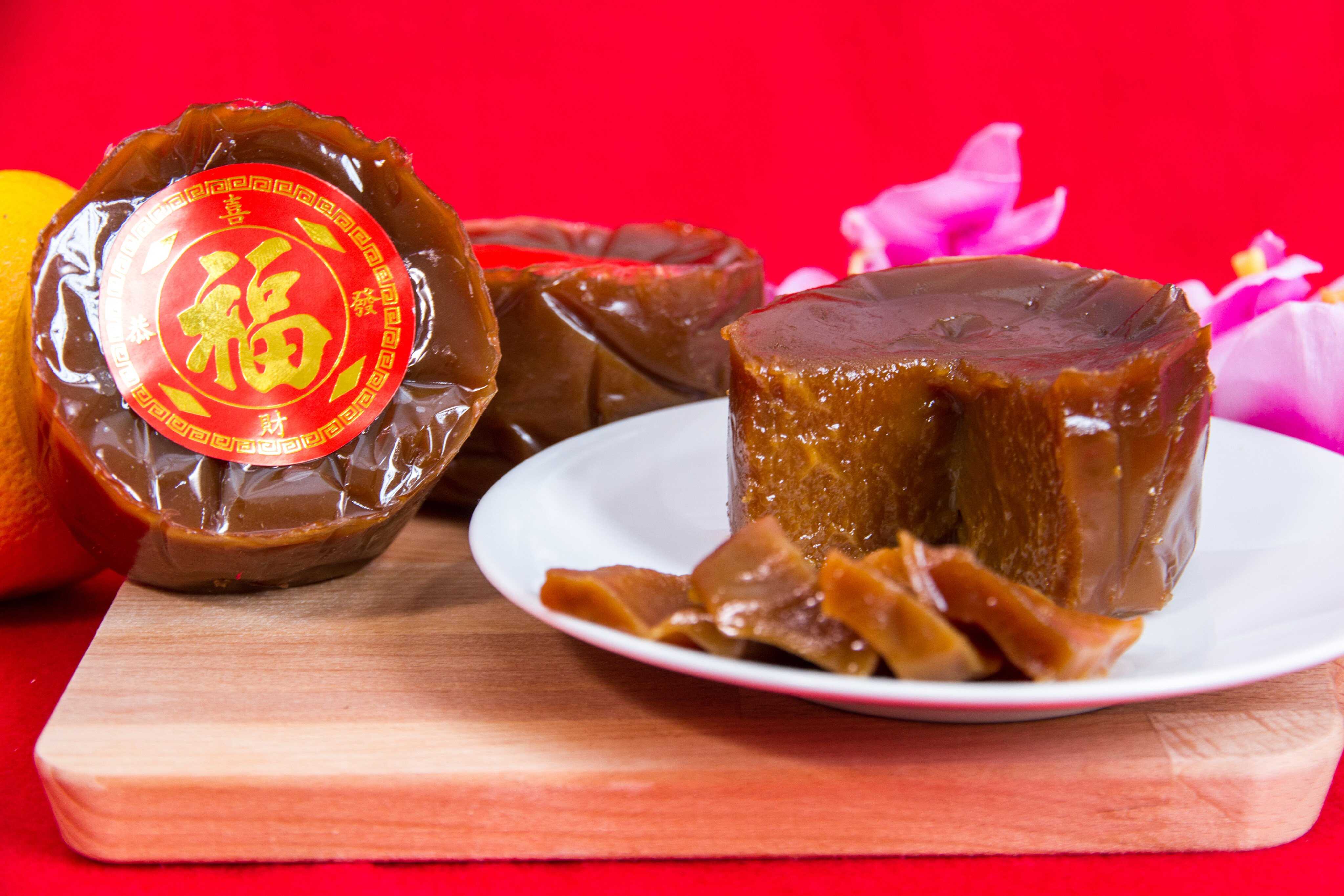
1. Sticky rice cake: nin gou (年糕)
This dense, glossy cake made from glutinous rice flour is said to have originated over 2,500 years ago. One myth suggests it was created to seal the lips of the Kitchen God so he could not speak ill of the family.
In Cantonese, the name for sticky rice cake, also called new year cake, sounds like a phrase for “stepping higher every year”. This symbolises making more progress or reaching a new high in your achievements.
Students are usually offered this sweet snack as a wish that their grades and academic standing will rise higher in the new year.
2. Water chestnut cake: maa tai gou (馬蹄糕)
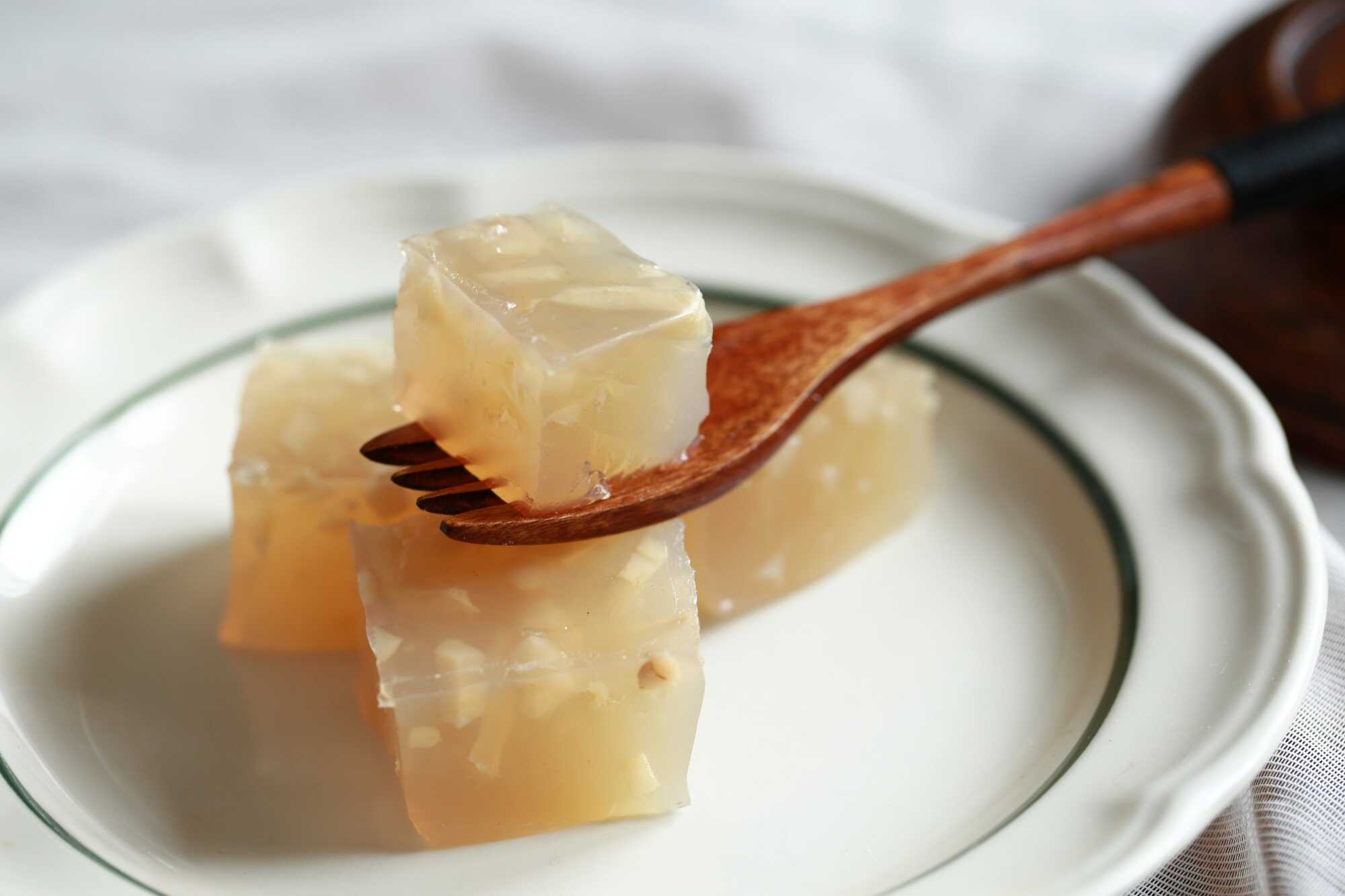
This snack is famous for its translucent appearance with water chestnut pieces interspersed within. The Chinese name sounds like “high horse’s hoof”, making it perfect for the Year of the Horse.
In traditional Chinese culture, horses symbolise strength, speed and health. They are often associated with Chinese idioms like maa dou gung sing (馬到功成), meaning “success the moment the horse arrives”.
Students shouldn’t skip snacking on this academic boost, as it resembles a wish for them to have instant success in their academics without a long, drawn-out struggle.
3. Glutinous rice balls: tong jyun (湯丸)
Glutinous rice balls are a traditional Chinese treat made with glutinous rice flour, and they are usually stuffed with a filling, such as sesame or peanuts. Shaped into balls, they are usually served in a hot broth or syrup. This dessert has long symbolised completeness and reunion, which is why it is a popular food during the Lunar New Year, Mid-Autumn Festival and Winter Solstice Festival.
Thanks to the glutinous rice ball’s soft exterior, it can bring students a year of smooth success without obstacles.

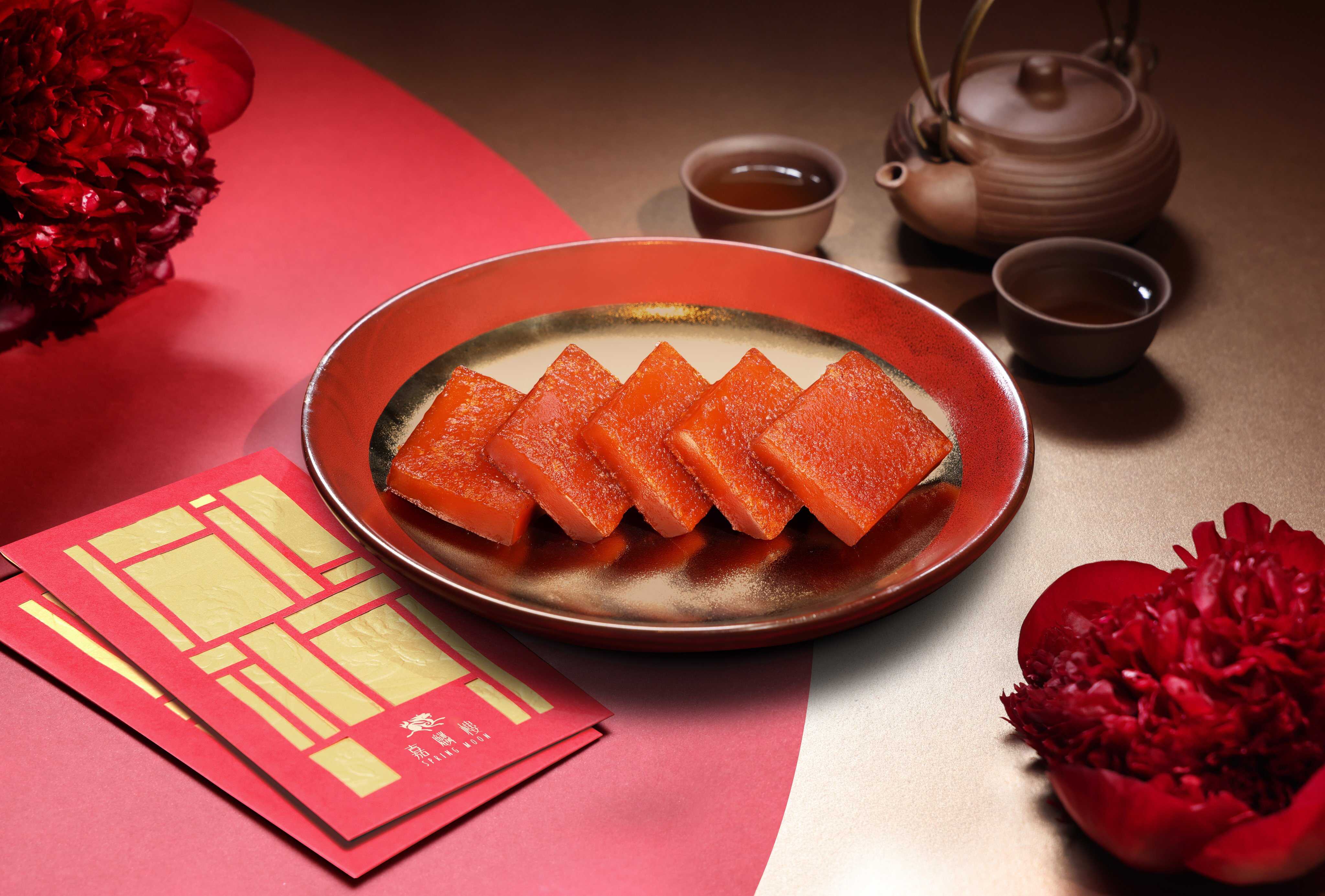
4. Candied winter melon: tong dung gwaa (糖冬瓜)
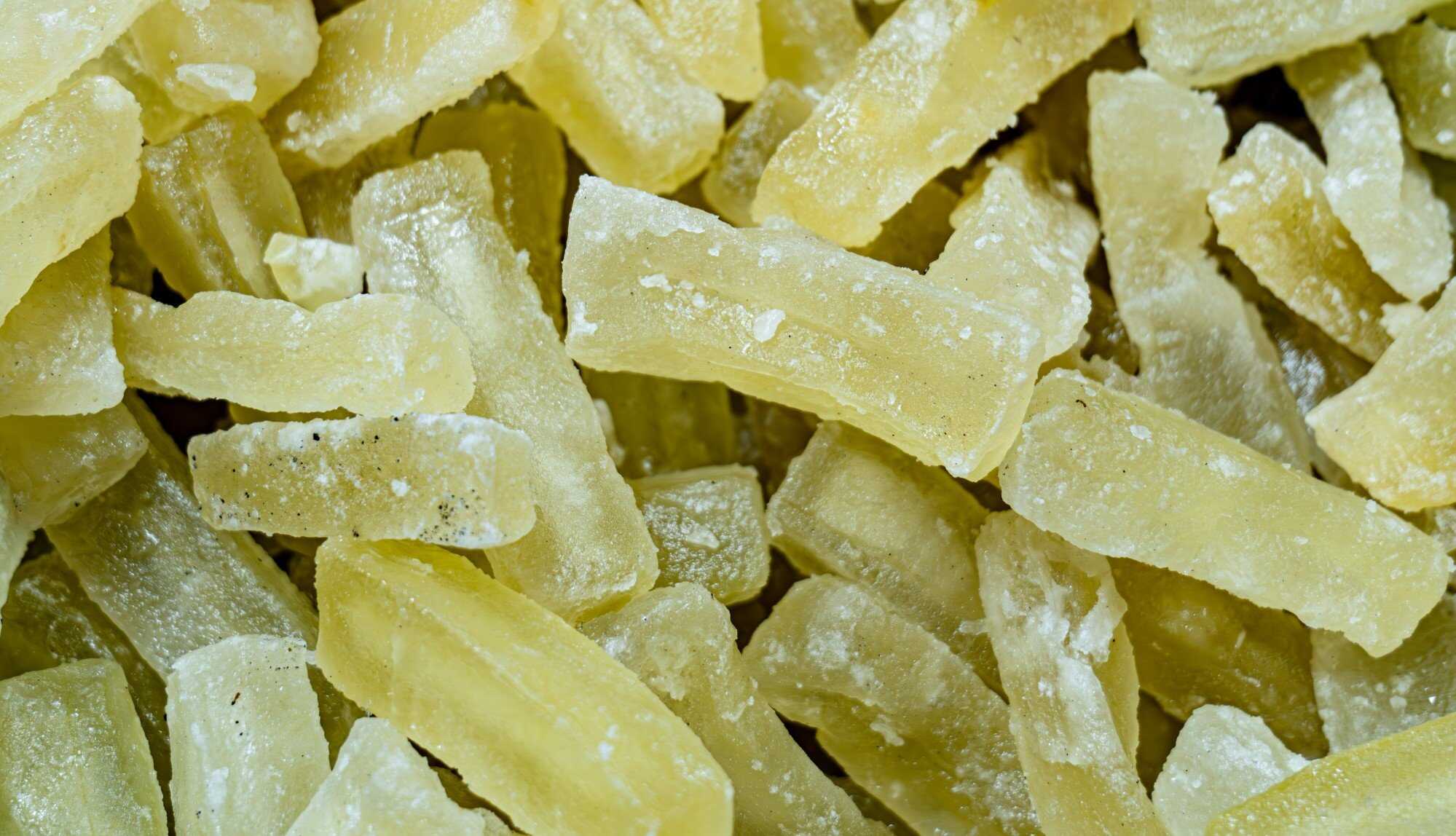
As one of the “Eight Sweets” in a Lunar New Year candy box, candied winter melon stands out because of its powerful meaning. People who take a bite of this chewy, sweet treat with a layer of crystallised sugar will be blessed with a good start and a good ending in the coming year.
As a student, it is important to have a smooth start and a successful end. Taking a little bite of this snack can motivate you to start your studies well and finish with excellent results, without giving up halfway.
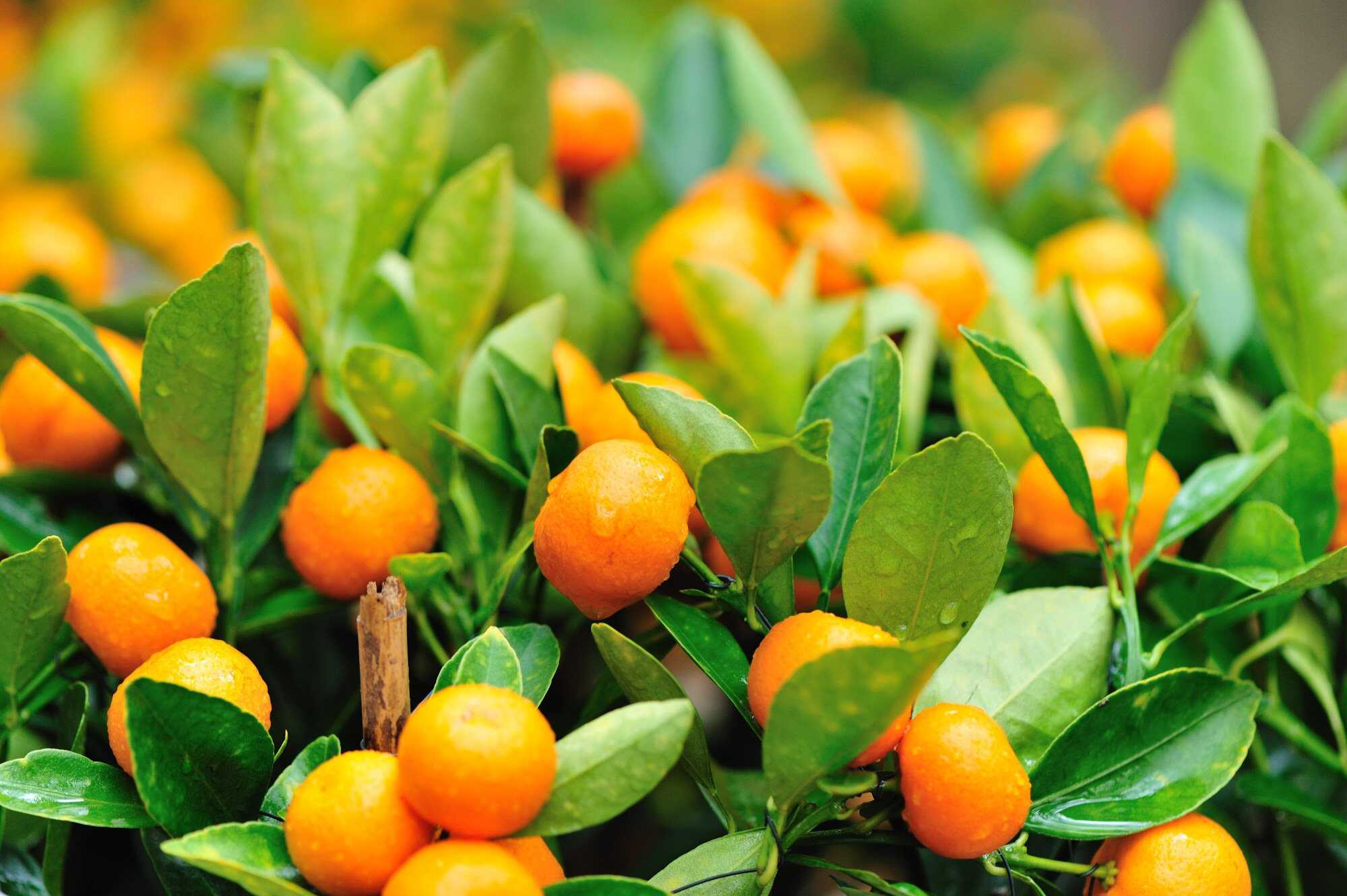
5. Kumquat: gam gat (柑桔)
The Cantonese pronunciation of kumquat sounds exactly like the words for “gold” and “luck”. In Chinese culture, round shapes are considered a symbol of good fortune. People often exchange these sweet, golden fruits as gifts to bring luck and wealth to the receivers. During the Lunar New Year, people also like to display kumquat plants in their homes and offices to attract more fortune.
So naturally, eating kumquats is a way to welcome good fortune and smooth sailing in your school life.