In the 1800s and early 1900s, female authors were often dismissed or sidelined because publishers or readers made assumptions about their work based on their gender. To get their works recognised and published, some women wrote under pseudonyms or hid their gender by just using their initials.
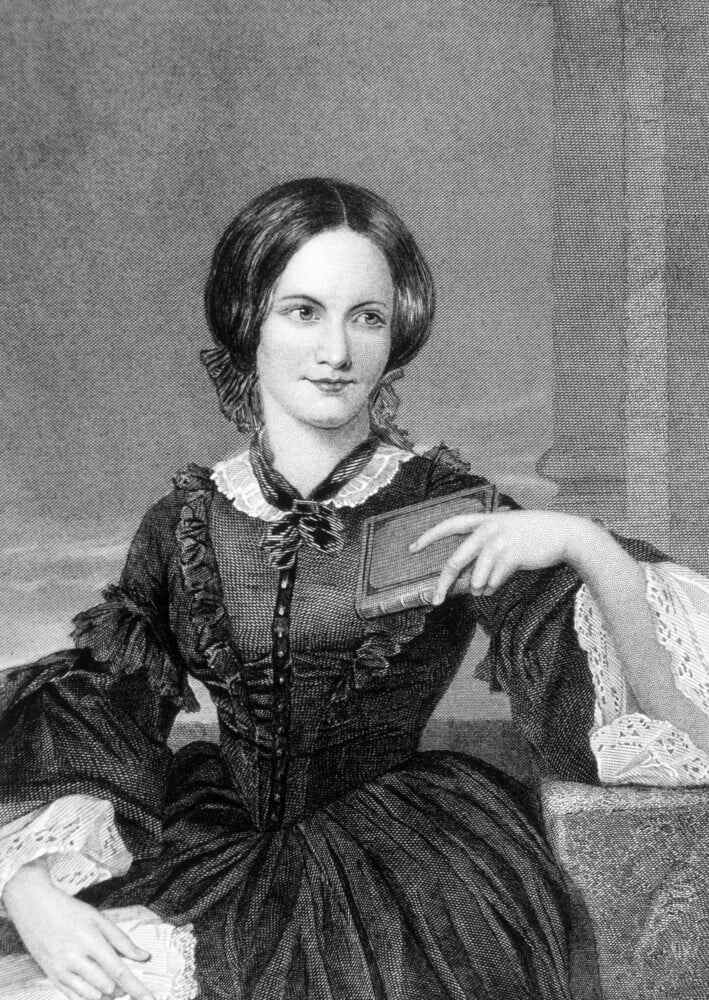
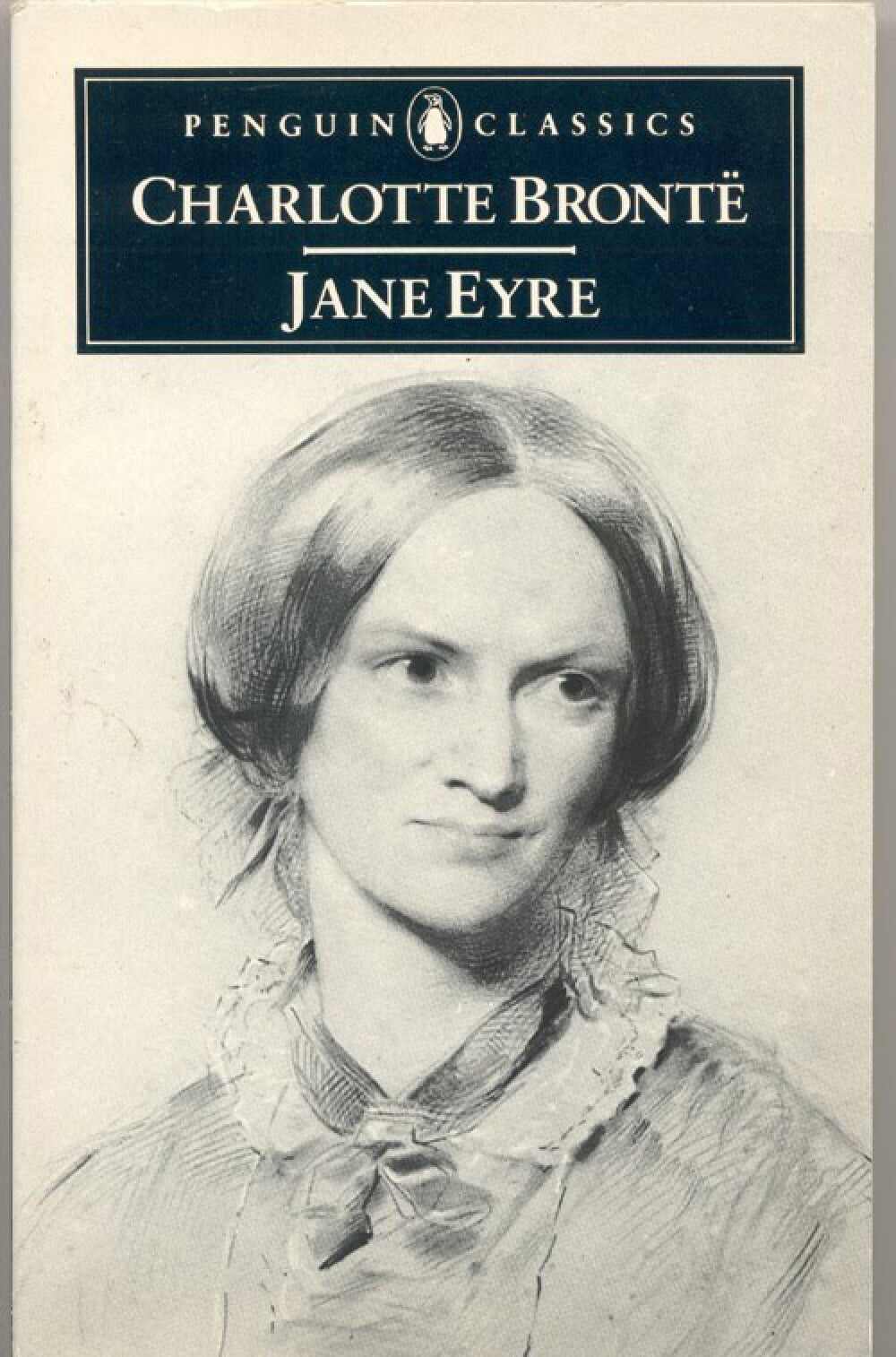
1. Jane Eyre (1847) by Charlotte Bronte
Pseudonym: Currer Bell
Jane Eyre follows an orphaned girl, Jane, through a cruel childhood and a turbulent romance, drawing on themes of autonomy, class and gender inequality.
Born in 1816 in England, Charlotte Bronte was the first of her sisters to have a novel published, but before Jane Eyre, the three Bronte sisters submitted a collection of poems under pseudonyms that shared the same first letter of their real names. These became the names they continued using for their most famous books.
In the preface to the 1850 edition of her sister Emily Bronte’s Wuthering Heights, Charlotte Bronte wrote that her sisters used male names because they “had a vague impression that authoresses are liable to be looked on with prejudice”.
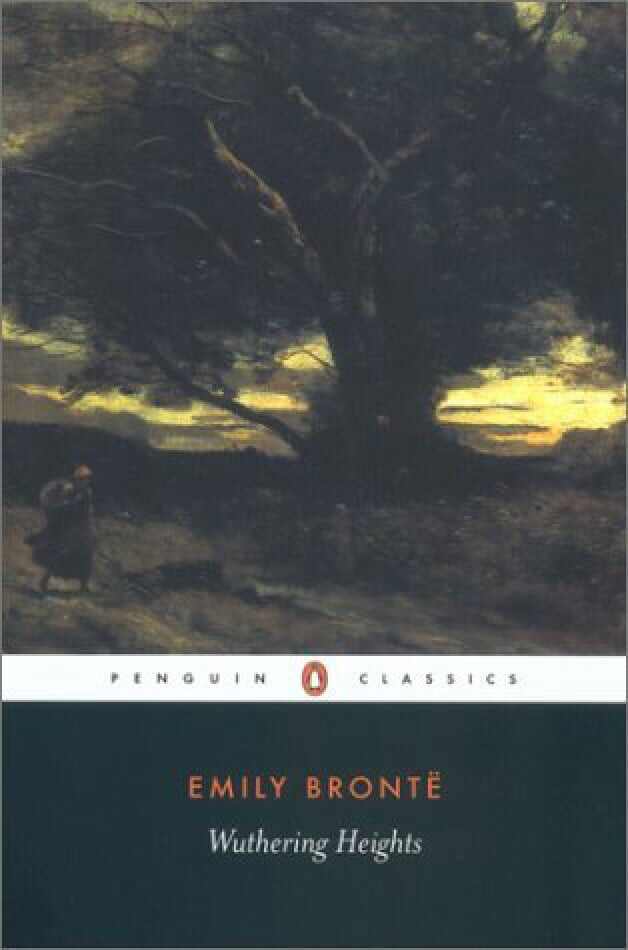
2. Wuthering Heights (1847) by Emily Bronte
Pseudonym: Ellis Bell
Wuthering Heights is a tragic gothic novel following the destructive love between the main character, Heathcliff, and Catherine Earnshaw, illustrating the cruelty of abuse, the cycle of revenge and the conflict of social status.
Emily Bronte was born in 1818 in England. Along with her sisters, Emily used a pseudonym to ensure her work was judged fairly. After Emily’s death in 1848, her sister Charlotte revealed her identity in a preface for the 1850 edition of Wuthering Heights.
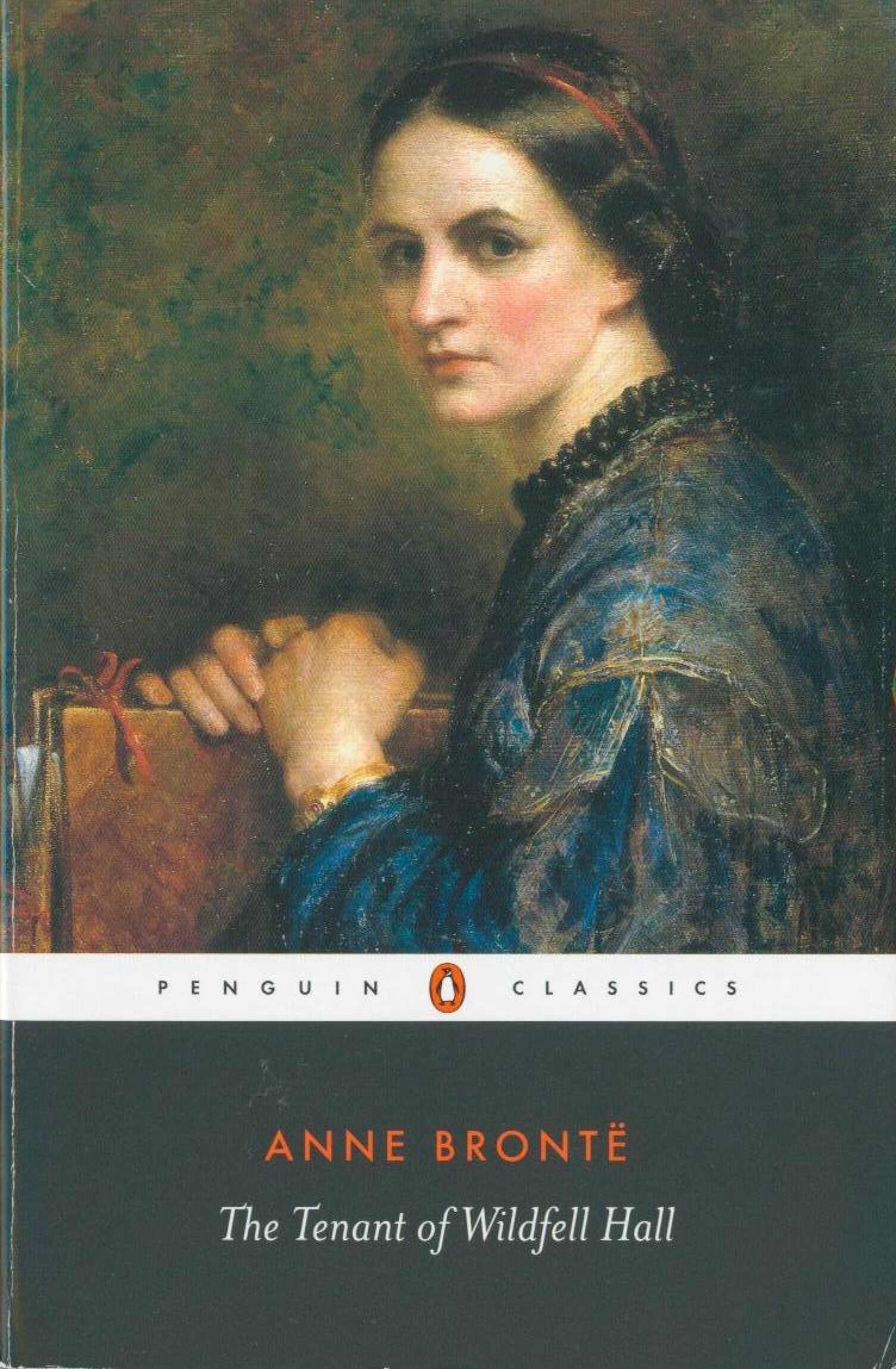
3. The Tenant of Wildfell Hall (1848) by Anne Bronte
Pseudonym: Acton Bell
Anne Bronte’s first book Agnes Grey was much different from her second. When The Tenant of Wildfell Hall was first released, it caused a scandal thanks to its depictions of domestic abuse and alcoholism, as well as its storyline about the main character, Helen, leaving her husband. Even Anne Bronte’s sister, Charlotte, did not agree with the subjects featured in the story.
Anne was born in 1820 as the youngest of six Bronte siblings, and she chose her pseudonym, Acton, when publishing a collection of poems with her sisters. Anne died from sickness soon after The Tenant of Wildfell Hall was published.
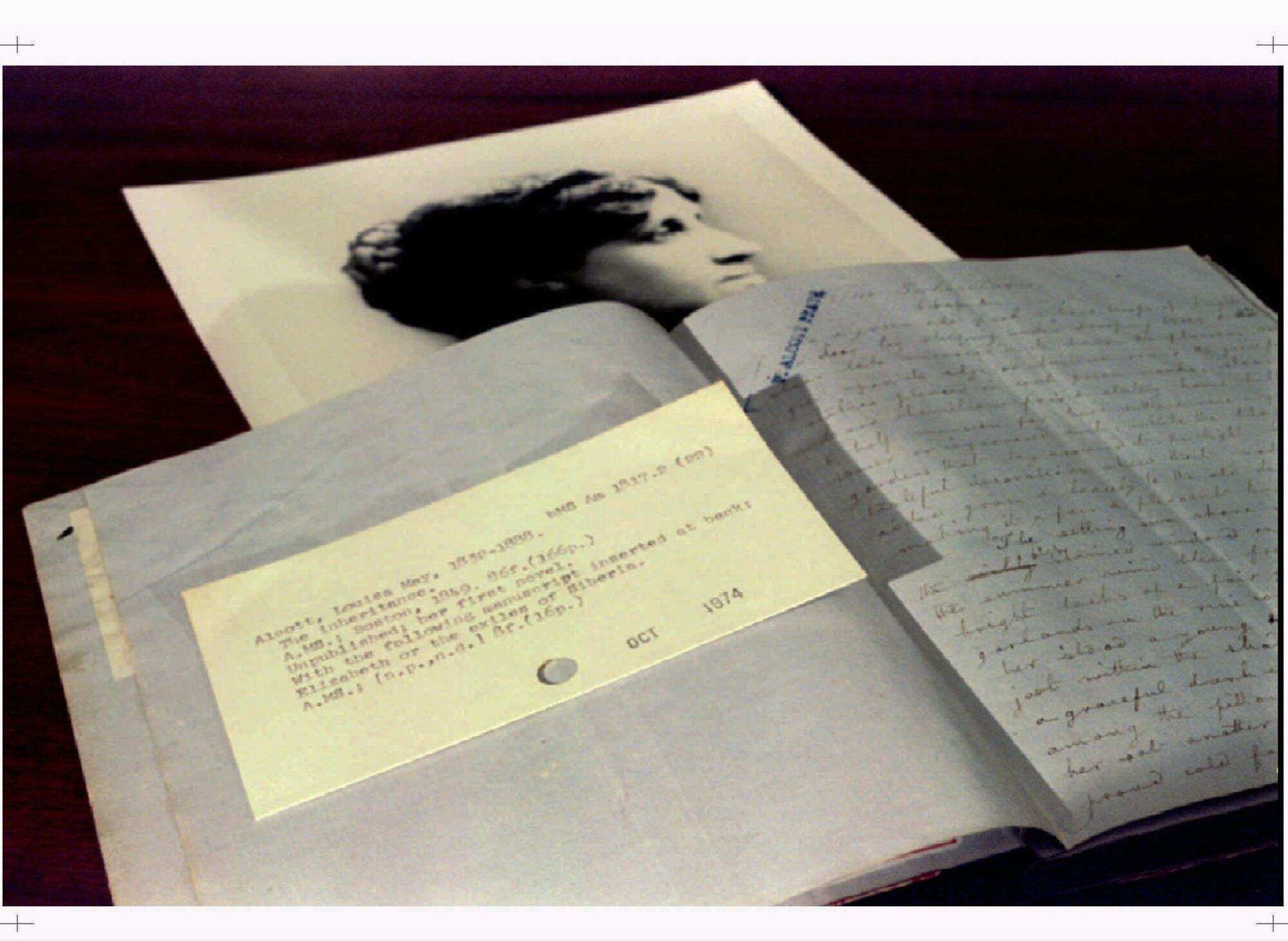
4. A collection of thrillers by Louisa May Alcott
Pseudonym: A.M. Barnard
For many years, Louisa May Alcott, born in 1832 in the United States, was best known for Little Women, a heartwarming novel about four sisters as they try to follow their dreams despite the hardships they face.
But before she wrote this novel, Alcott was writing thrillers under the pseudonym A.M. Barnard. This wasn’t discovered until the 1940s, when two rare book dealers made the connection. Alcott’s earlier thrillers often included topics such as violence, revenge and forbidden love – she likely published under a pseudonym because these were not socially accepted for women to write.
It is believed that there may still be more stories under other pseudonyms that Alcott used.
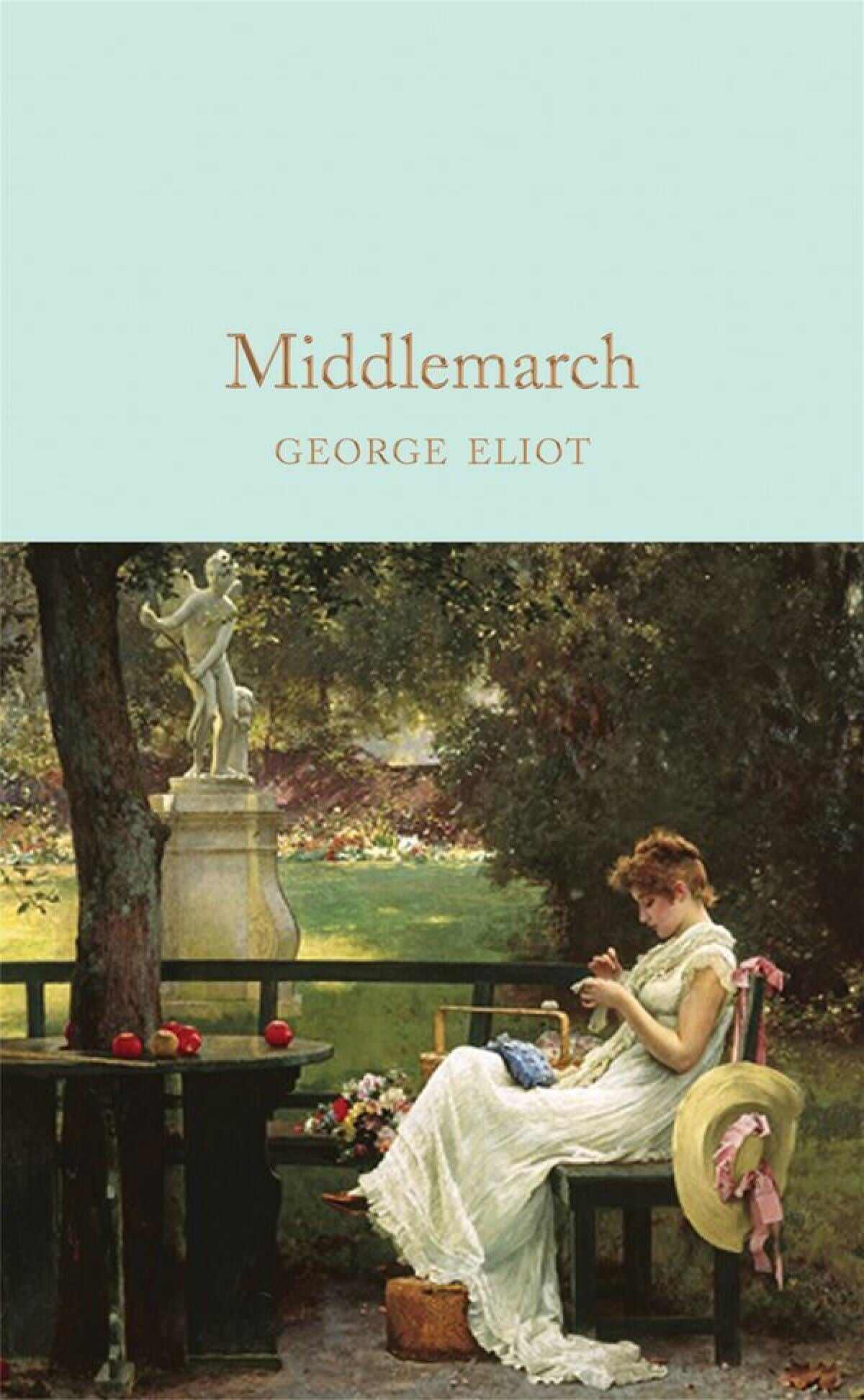
5. Middlemarch (1871) by Mary Ann Evans
Pseudonym: George Eliot
Middlemarch, A Study of Provincial Life explores Victorian life in a fictional English town. The novel follows the intertwined lives of its residents, focusing on the thwarted idealism of the main characters, Dorothea Brooke and Tertius Lydgate, both in their own unhappy marriages.
Born in 1819 in England, Victorian novelist Mary Ann Evans borrowed the given name of her pseudonym from her partner, George Henry Lewes. But she was forced to publicly confirm her true identity when the success of her 1859 novel Adam Bede sparked intense speculation about the book’s author.
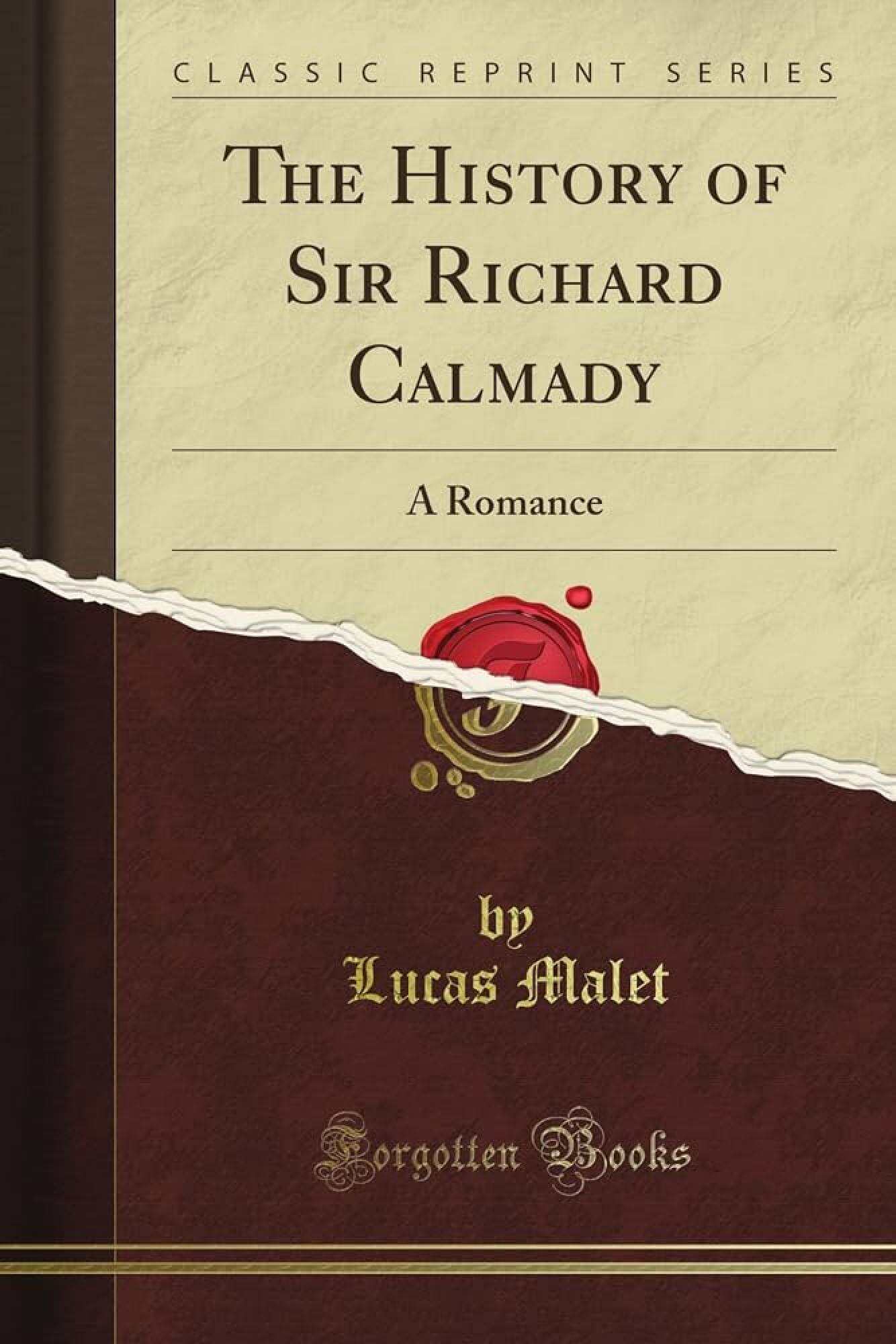
6. The History of Sir Richard Calmady (1901) by Mary St Leger Kingsley
Pseudonym: Lucas Malet
The History of Sir Richard Calmady navigates societal constraints and personal desires in the Victorian era. The book tells the story of Sir Richard Calmady, a wealthy and successful man left physically disabled by a childhood accident.
Mary St Leger Kingsley was born in 1852 in England as the daughter of Charles Kingsley, who was a famous author. Her pseudonym was inspired by two female relatives. Scholars believe she changed her name to distance herself from her father’s fame while hiding her gender to write about socially taboo topics.