As summer approaches after weeks of heavy rain, reports of “flying ants” have emerged across Hong Kong, sparking concerns that the insects could be a nuisance – and damage homes.
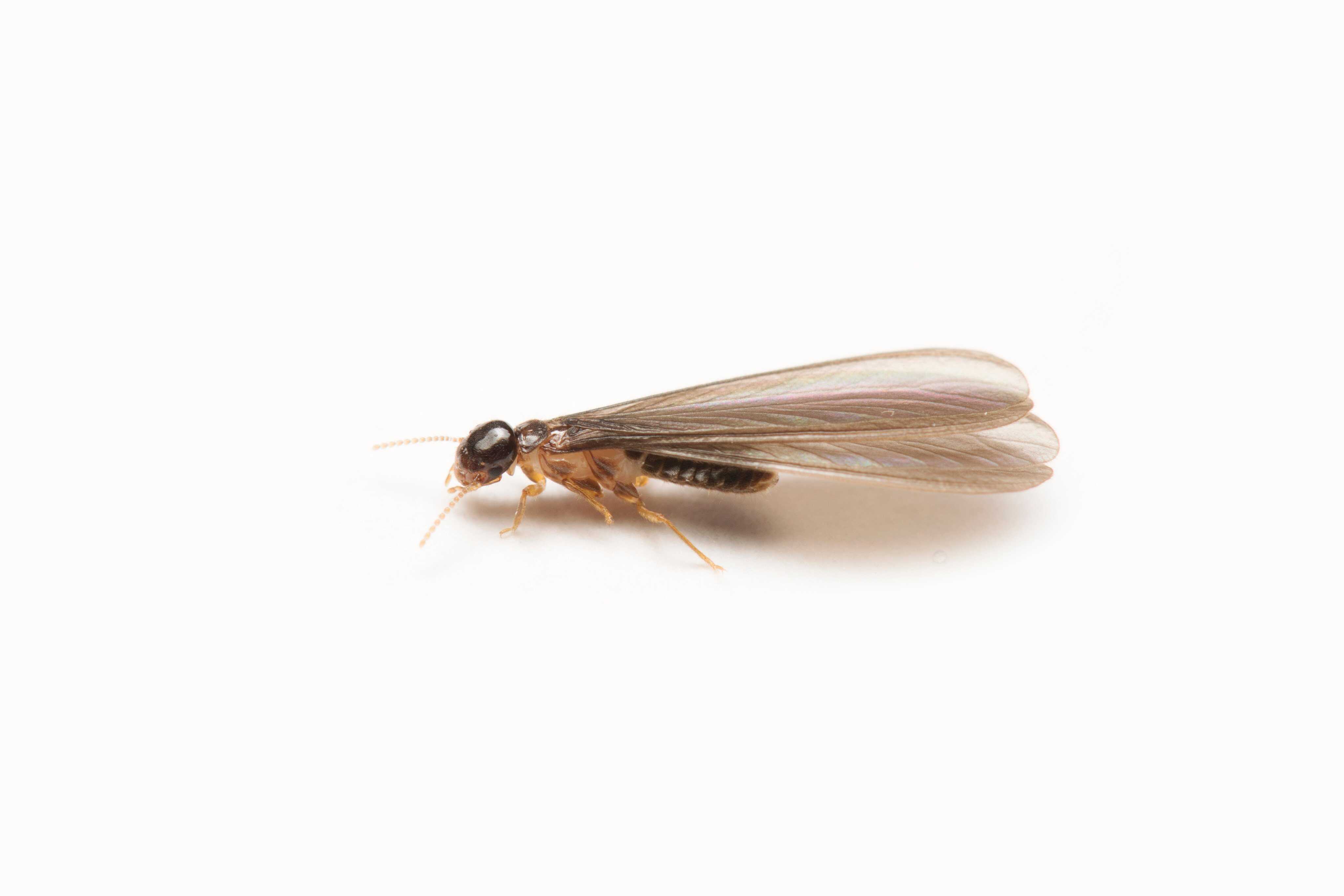
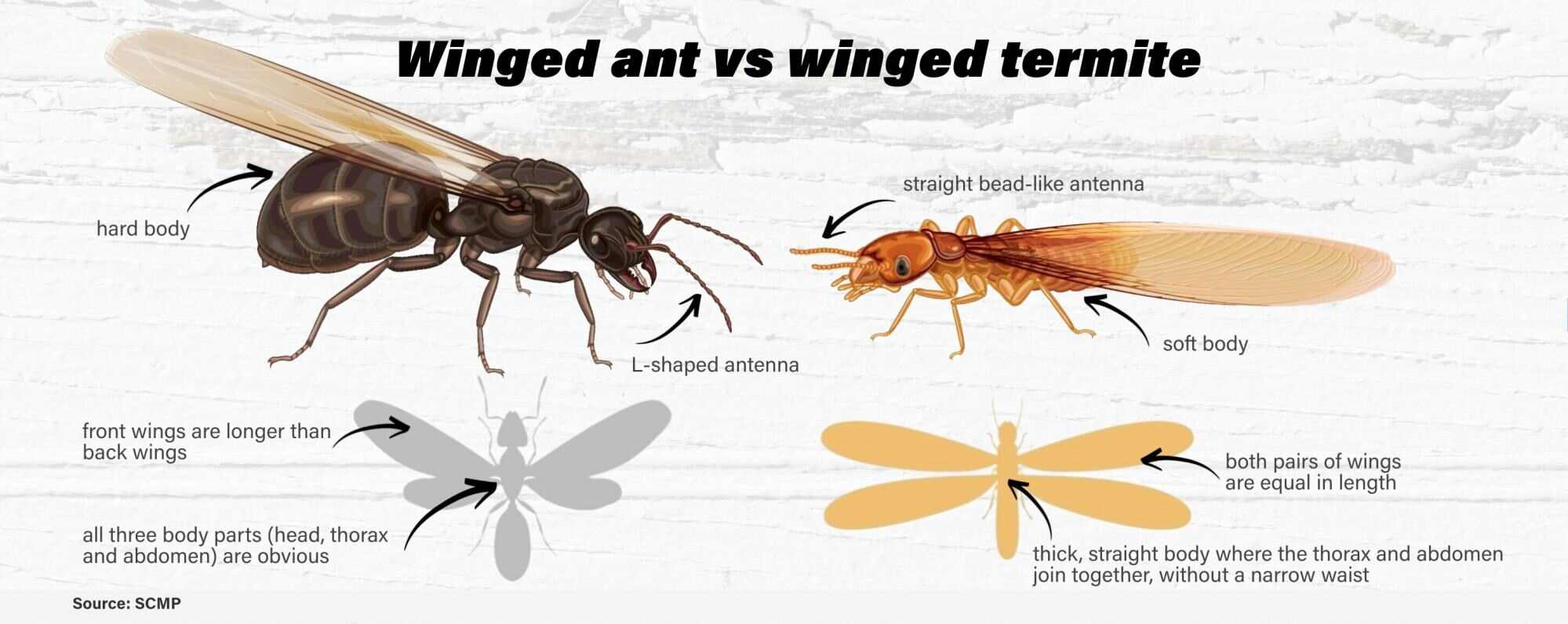
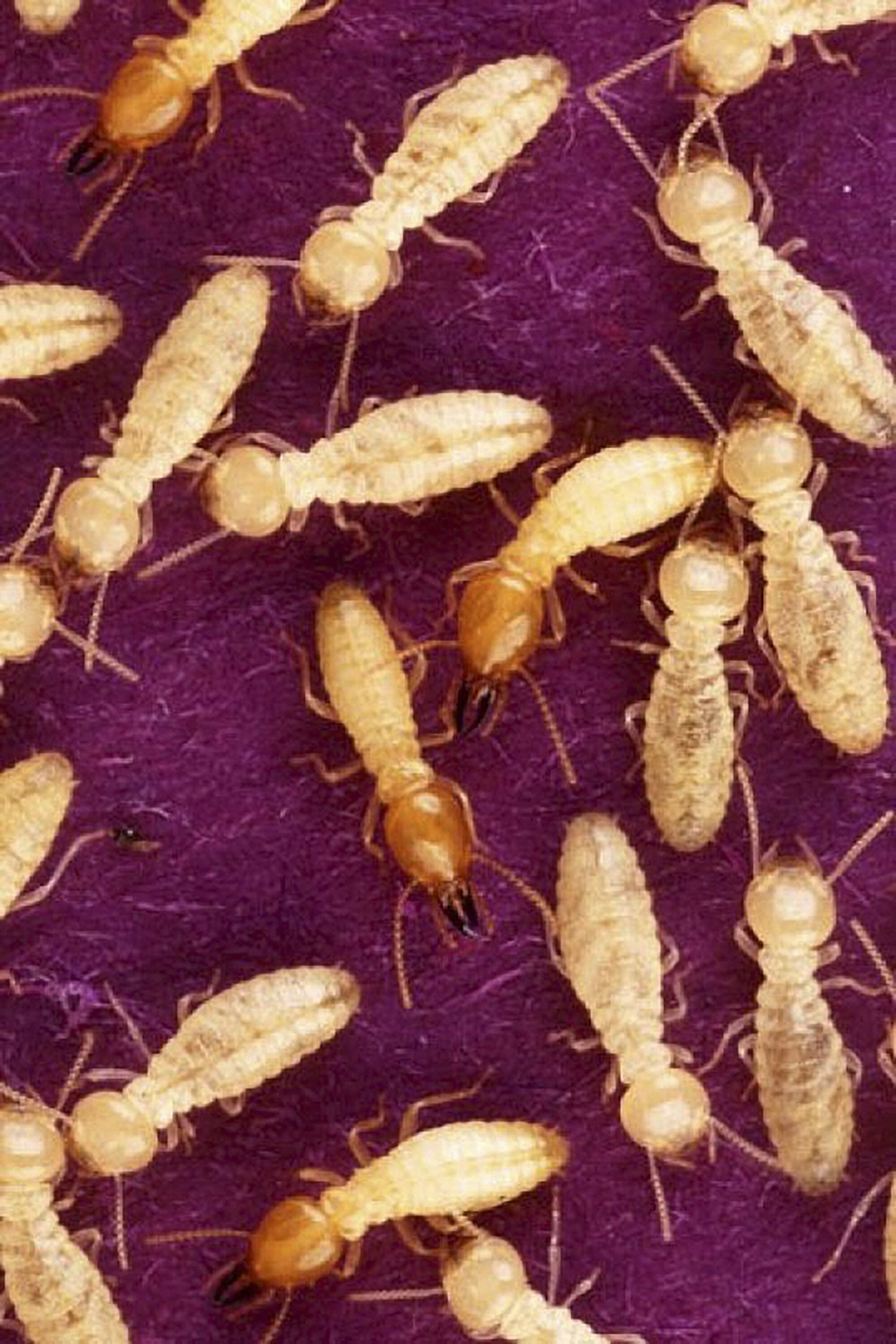
The massive swarms of winged insects that appear in homes on rainy days are termites. Although commonly referred to as “flying ants” in Chinese, there are differences between the two.
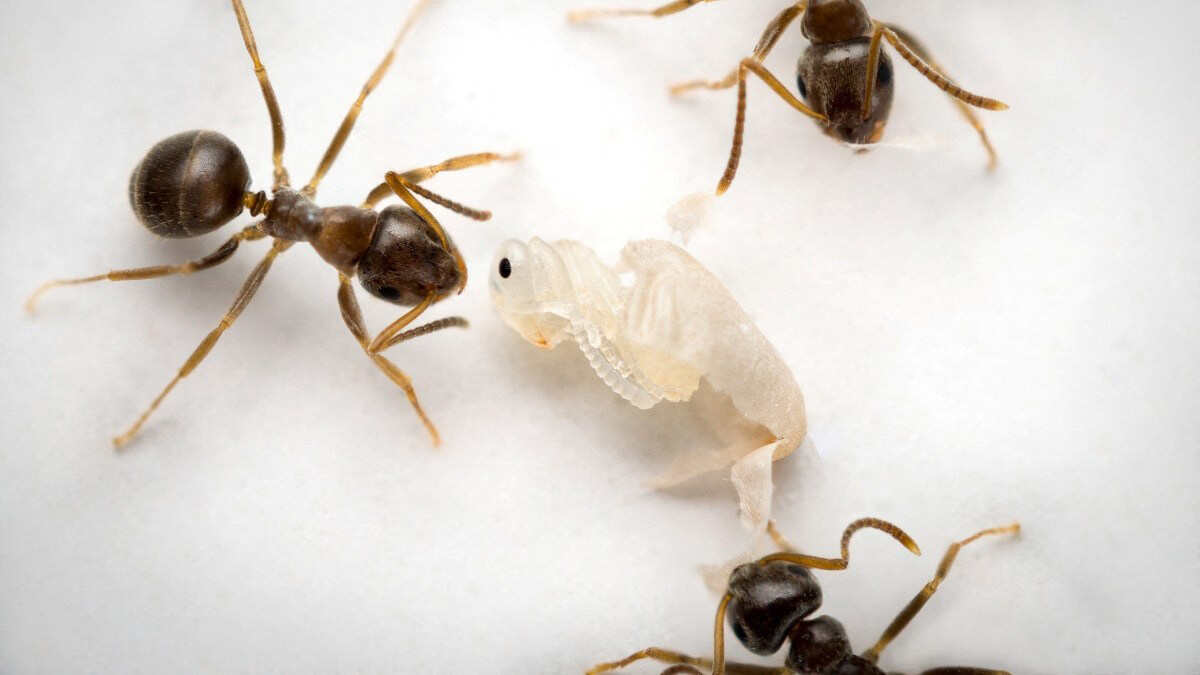
While both termites and ants live in colonies, ants are close relatives of bees and wasps, while termites are not, according to a pest control newsletter by the Food and Environmental Hygiene Department.
The insects also look quite different from one another (see graphic). In addition, termites subsist on wood, while ants feed on a variety of foods.
According to Hong Kong Entomological Society chairman Yiu Vor, the city is home to around 40 to 50 species of termites, commonly known as “white ants”. The Formosan subterranean termite, a common species found in southern China, is the one most often seen in Hong Kong homes.
When do flying termites usually appear?
Termites usually breed from April to June in Hong Kong, during which the colony would produce a large number of winged “adults” that wait for an ideal time to fly and find new locations to form new nests, Yiu said.
Winged termites have reproductive capacity and will eventually shed their wings to mate.
The weather conditions for termites to fly out coincide with heavy downpours, when temperature and humidity are higher but atmospheric pressure is relatively low, according to Yiu.
Henry Cheng Kwok-hang, a consultant at Ivy Pest Control Corporation, said flying termites usually appear during evening hours.
As insects are sensitive to subtle changes in weather, they can also appear as early as a few days before rainfall, according to Cheng.
Why do termites enter flats?
Many termites are phototactic, meaning they are attracted to light, especially strong UV light like white fluorescent lamps, according to Yiu.
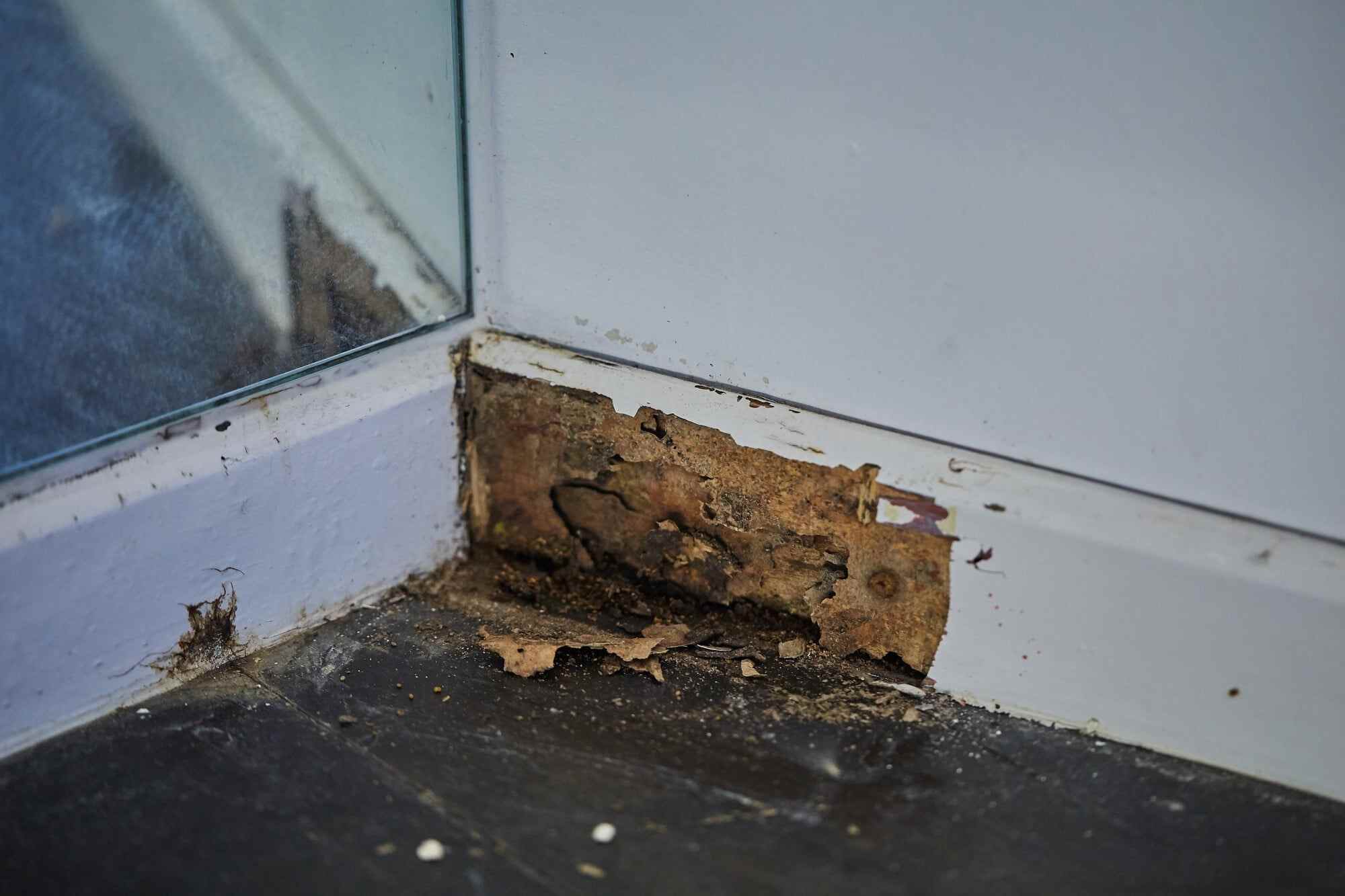
Cheng said termites that appear in homes were xylophagous, meaning they feed on wood. This was why they feed on furniture such as door frames and flooring. In rarer cases, they could even eat shoe boxes and mattresses, he said.
Termites also tend to head for low-lying areas in a flat, such as dusty corners, under sofas and the base of door frames. These nooks and crannies often have sufficient moisture for termites to breed, Cheng added.
How do I protect my home from termites and how do I know if there is an infestation?
To prevent termites from entering homes, Cheng suggested closing the windows and curtains for a few hours in the evening, as well as installing window mosquito screens. Yiu said turning off some of the lights in the evening could also be helpful.
Assuming there is a large swarm at home, Cheng said one common mistake when trying to eradicate termites is spraying them with pesticides. While a few sprays can kill some termites, they can disturb the mass and cause them to spread out, making the situation harder to contain.
If residents suspect there are termites at home, they could leave a bucket of water with a lamp directed towards it for a night, Cheng said. But ringing pest control companies to handle termites would be most effective, he added.
While a nest or a colony is usually harder to spot, termites use mud to cover their trails or tunnels, Yiu said, adding that if you see “mud tubes or patches in corners, it can be an indication of a colony established there. He said residents should seek professionals to conduct a thorough investigation.