Difficulty: Challenger (Level 2)
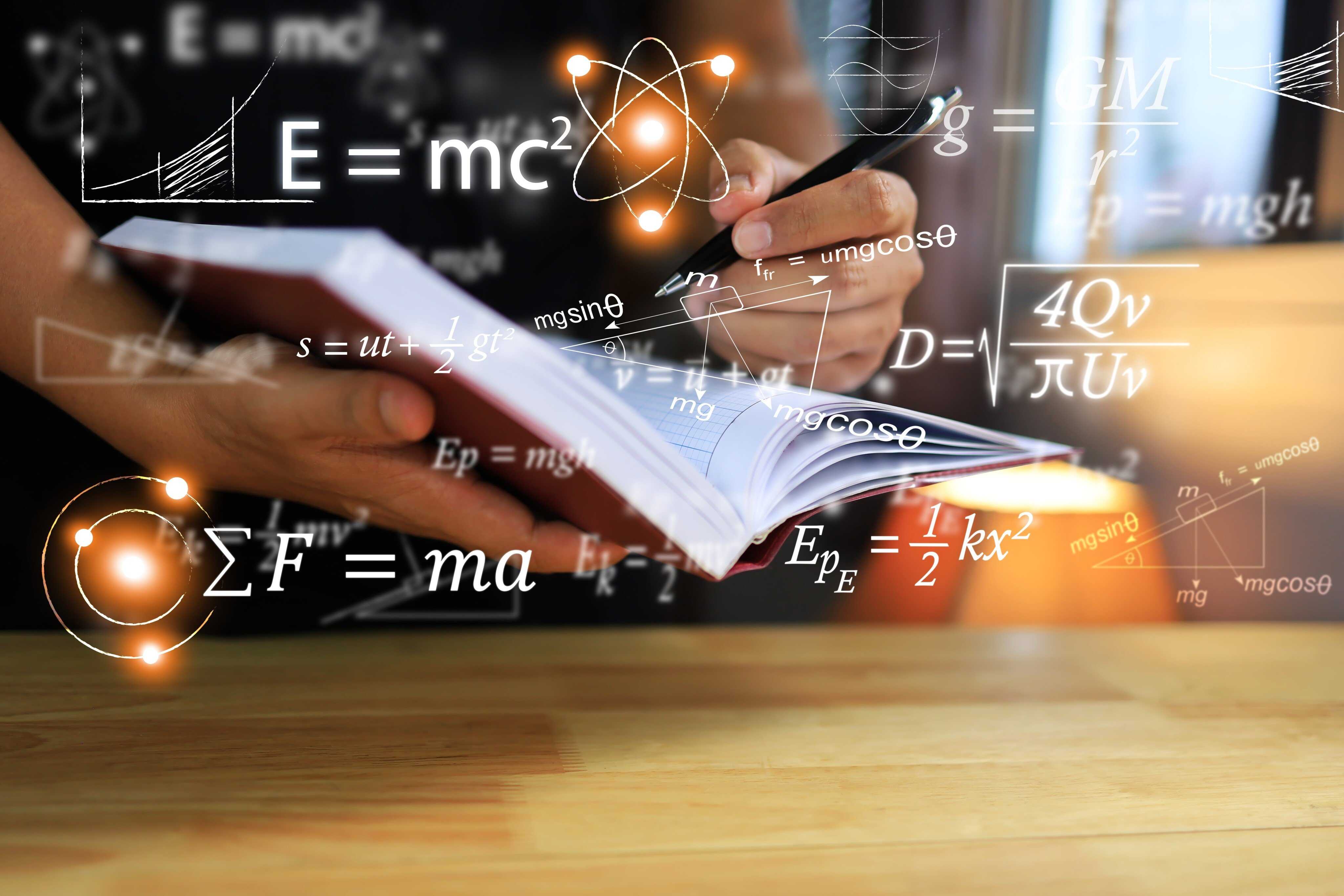
In the digital age, we can access all kinds of information at our fingertips. This convenient modern life was made possible by the groundbreaking work of pioneering scientists. From the laws of motion to electric bulbs and the black hole in the universe, here are five scientists who changed the world.
1. Isaac Newton
The story goes that an apple falling on Isaac Newton’s head inspired him to discover the laws of gravity. But the 17th-century English mathematician did much more than that. He also invented calculus and the laws of motion, which are the rules that define how objects move. Newton’s ideas are the foundation for modern physics.
2. Charles Darwin
Charles Darwin, a British scientist in the 19th century, proposed the revolutionary idea of “natural selection”, the theory that species evolve and adapt to their environment over time. This theory transformed the way humans understand the natural world.
3. Thomas Edison
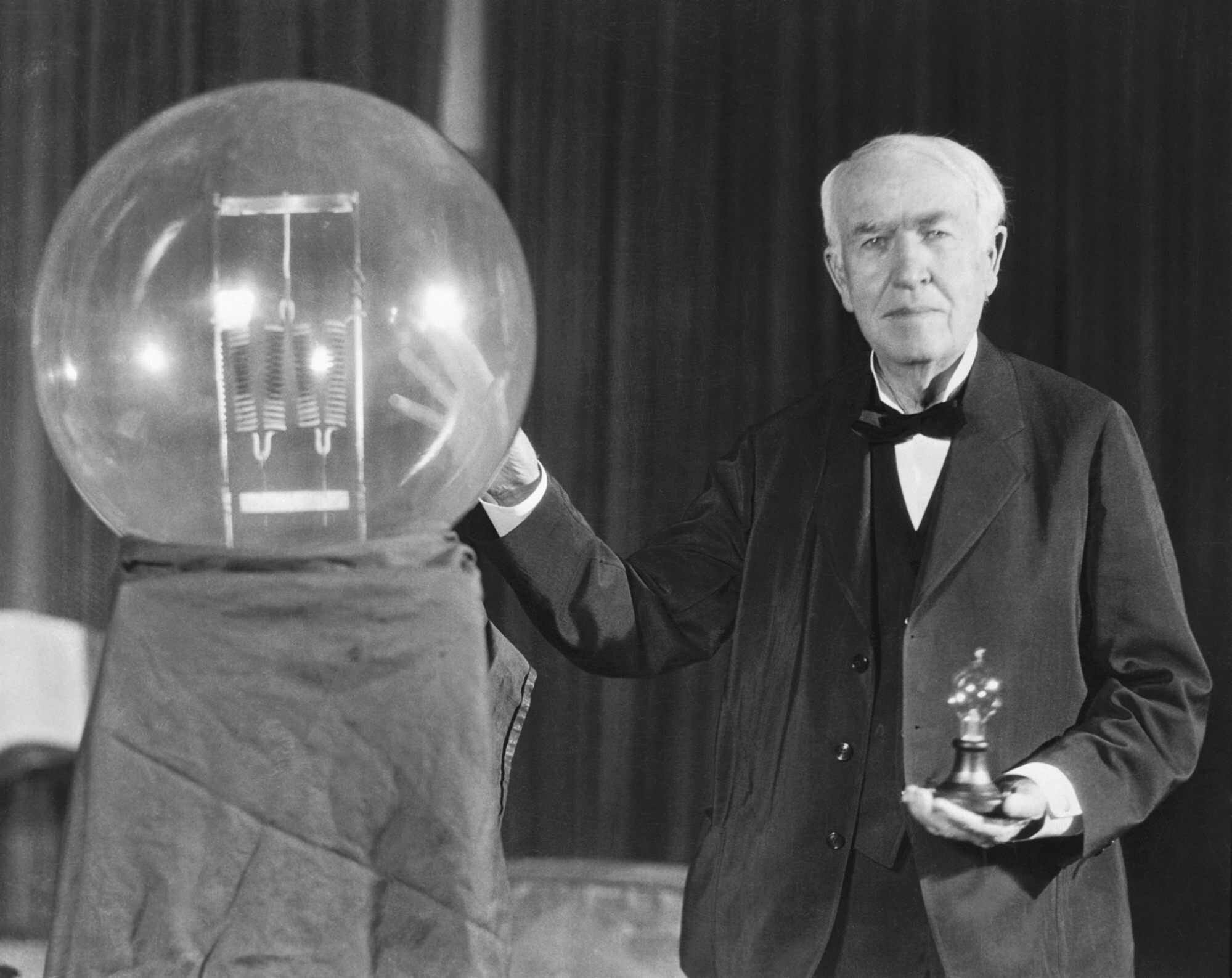
Light bulbs illuminate our everyday lives, thanks to the American inventor Thomas Edison. In the late 1800s, his improvements on light bulbs made them cheap and long-lasting for people to use in their homes. He is said to have failed over 1,000 times before succeeding. Additionally, Edison helped invent devices such as the phonograph and film camera. These were important in shaping the development of technology and entertainment.
4. Albert Einstein
In the early 20th century, Albert Einstein proposed the theory of relativity, suggesting that space and time are connected. The German-born scientist found that light’s speed always stays the same. However, he discovered that space and time depend on how the observer moves.
5. Marie Curie
Born in 1867 in Poland, Marie Curie’s research into radioactivity is why we have X-ray machines, nuclear power, and treatments for cancer. She and her husband discovered two radioactive elements: polonium and radium. She also created a portable X-ray machine that saved more than a million wounded soldiers in World War I.
Use the puzzle below to test your knowledge of the vocabulary words in the story.
Suggested answers
-
Before you read: Answers will vary.
-
Stop and think: Natural selection is the idea that animals changed over long period’s of time to best fit their environment. People originally thought that God created all animals as they were, so natural selection challenged this belief.
-
Consider: Among is many inventions, Edison created the light bulb and made strides for entertainment with his invention of the phonograph and motion picture camera.