Difficulty: Challenger (Level 2)
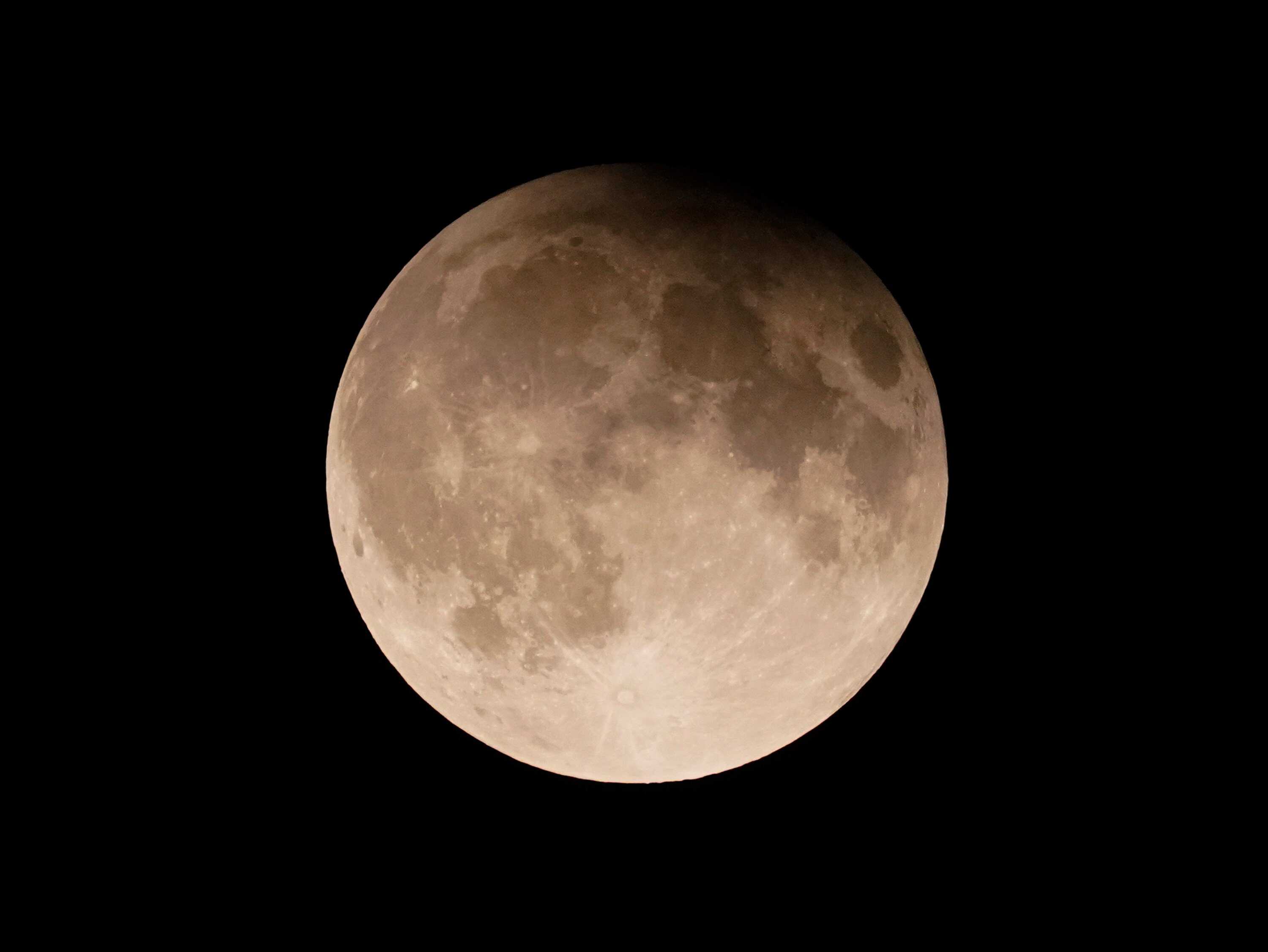
Since the 1950s, humans have been constantly trying to push the boundaries of how far we can go in space. However, if we want to go beyond the moon, we are facing a big problem: space debris.
Why space debris is a problem
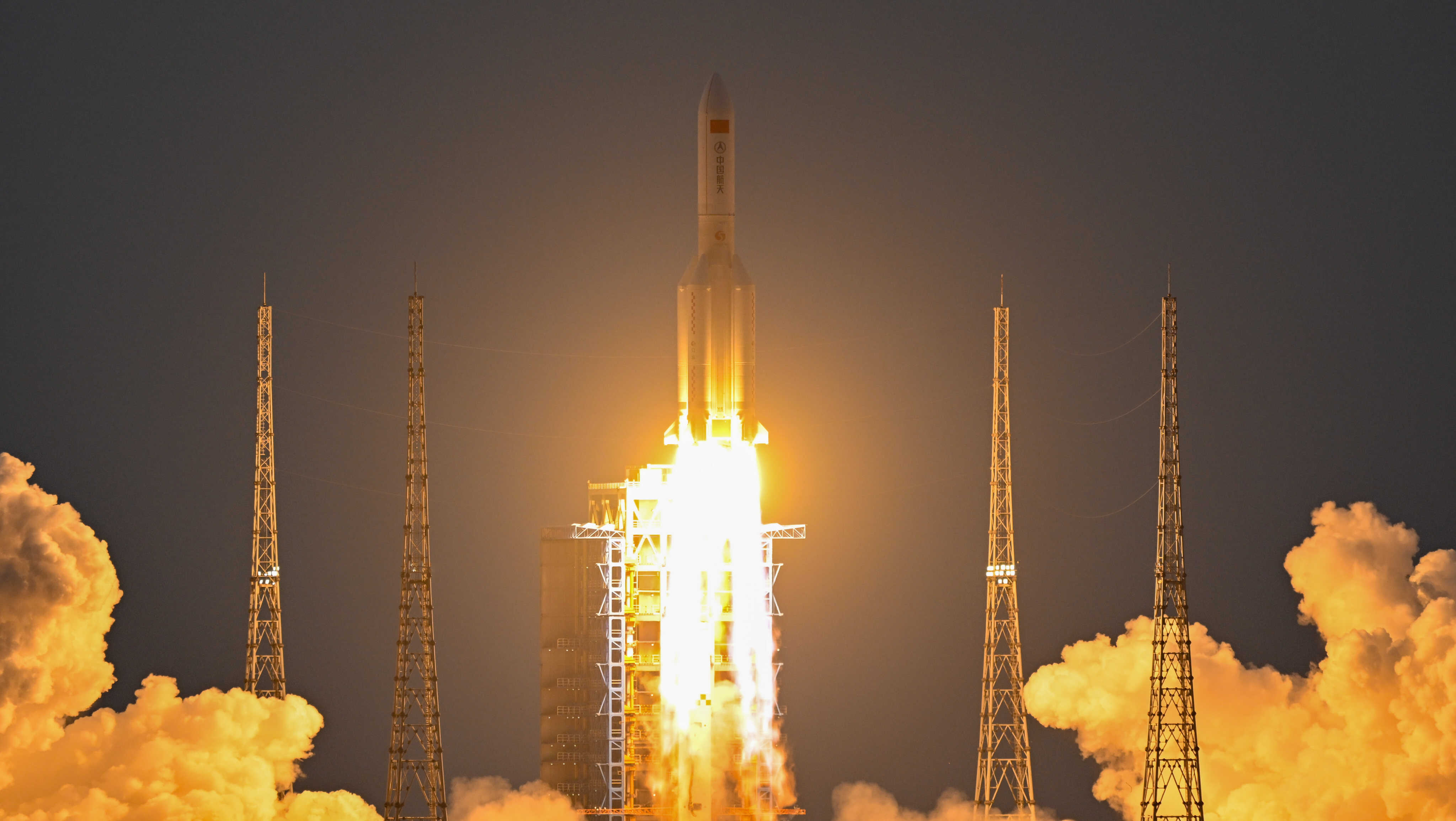
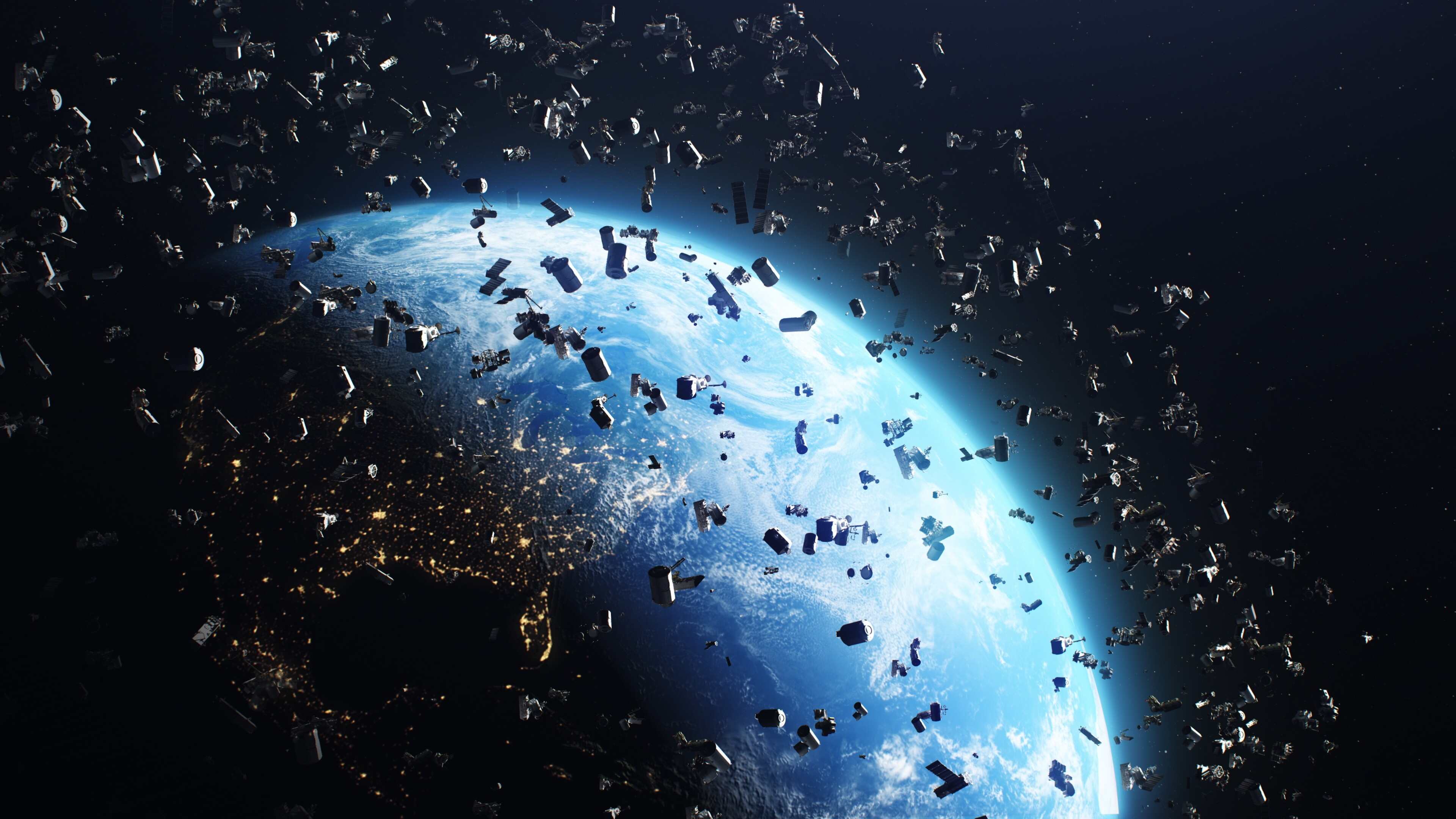
For example, when most rockets and space shuttles take off, they require a lot of fuel. This means that most of the spacecraft’s body is just the fuel tank, so when the fuel is used up, the rocket detaches itself from the now-empty fuel tank. Other space debris includes satellites that are no longer in use and paint from rockets that fly off when being launched.
This is a problem. With so much stuff flying around the Earth, this could collide into rockets trying to leave Earth or damage satellites giving us useful information. The worst part? If two pieces of debris crash into each other, they explode into a bunch of smaller pieces that could cause more accidents.
How to fix this
To solve this problem, scientists have come up with many ideas. The first solution is not to leave anything up there.
The first reusable rocket only came out in 2015, when Elon Musk and his company, SpaceX, successfully launched the Falcon 9. Once enough fuel is used, the fuel tank will separate and land back on Earth.
But what about cleaning up what’s already in space?
There is currently no solution for this, but scientists are working on finding a way around it.
Right now, the most realistic idea is to have satellites that pick up several chunks of debris at a time, either by grabbing them with mechanical arms, netting them, or attracting them with a magnet before bringing the debris brought back to Earth.
However, this may be quite expensive so until then, the debris will stay up there in space.
Suggested Answers
Before you read: Answers may vary. (i.e. stars, planets, comets)
Stop and think: Space debris can hit any rockets or satellites that we send up to space, which can damage them and potentially hurt the people inside.
Consider: Scientists want to avoid leaving more rubbish in space. They also want to clean up the debris that has been left behind.