Difficulty: Challenger (Level 2)
It is snack time, and you’re choosing between apple juice and a fresh apple. So, which is healthier?
Types of processed foods
The US Academy of Nutrition and Dietetics ranks processed foods from minimally to mostly or ultra-processed foods.
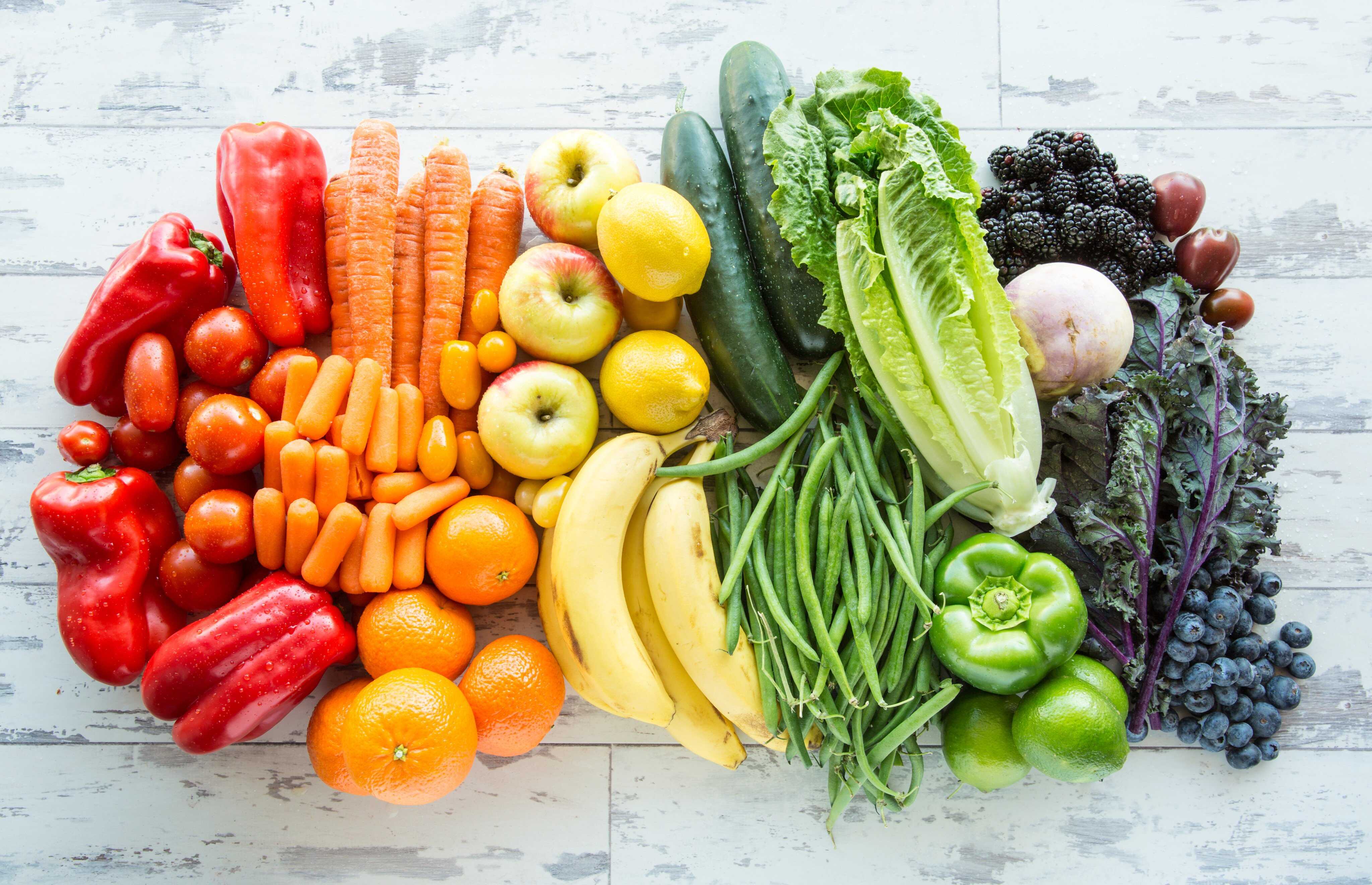
The first category is minimally processed foods. These include fresh fruits, vegetables, fish and meat, which are the healthiest.
The second category includes foods that are processed at their best. This preserves nutrition and freshness. Examples include frozen fruits and vegetables.
The third category refers to foods with ingredients added for flavour and texture, such as pasta sauce in jars.
The fourth and fifth categories of food are ready-to-eat and heavily processed foods. Examples of these in Hong Kong include instant noodles, soft drinks, bubble teas and fast food.
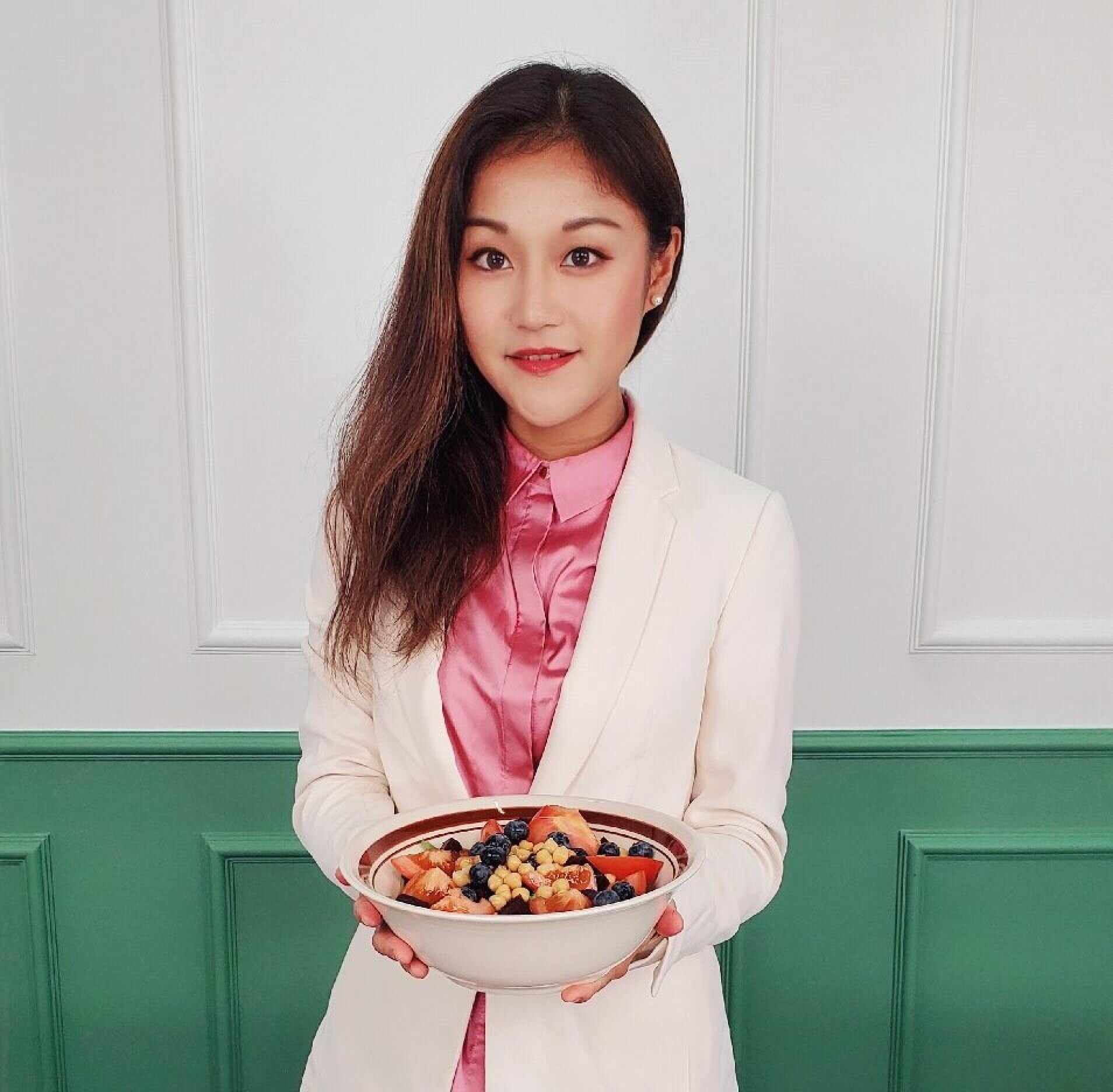
Michelle Lau is a nutritionist and founder of Nutrilicious. She said processed foods in the fourth and fifth categories are high in calories, sugars and unhealthy fats. These can lead to health issues like obesity and high blood pressure.
The Department of Health suggests that children eat minimally processed foods. Examples are whole grains, fresh fruits and vegetables. They should avoid heavily-processed foods.
Lau said: “Try and limit to only one to two servings of processed food and snacks every week.”
What is healthy food?
The Hong Kong Centre of Health Protection suggests that a healthy diet should mostly include vegetables, fruits, grains, proteins and dairy. It’s also best to prepare meals at home using fresh ingredients.
Some simple Hong Kong dishes are steamed fish and stir-fried vegetables with garlic. It’s also good to avoid processed foods in supermarkets. To find out which ones are processed, Lau suggested reading the ingredient list.
“Look for products with long ingredient lists. If a food has more than three or four ingredients, there is a high chance that it may be processed,” she said.
The dietitian also advised being careful with foods labelled as “low-fat”, “sugar-free” or “fortified”. They often have artificial ingredients to improve flavour and texture.
When eating out, pay attention to the descriptions of dishes.
Lau explained: “Dishes with the words ‘crispy’, ‘breaded’, or ‘stuffed’ often contain heavily processed ingredients.”
She also suggested choosing fresh vegetables, whole grains like brown rice or quinoa, and lean meat like fish or chicken.
“A bowl of congee with fresh vegetables or a stir-fry made with seasonal produce is a healthier alternative compared to heavily sauced dishes like sweet and sour chicken,” she explained.
Suggested Answers
-
Before you read: Answers may vary.
-
Stop and think: A diet of vegetables, fruits, grains, protein and dairy products make up a healthy lifestyle. It is also important to eat highly processed foods less than once or twice a week.
-
Consider: Ultra-processed foods often have long ingredient lists. Some labelled as “sugar-free”, “low-fat” and “fortified” will likely have fake ingredients in them. Similarly, “crispy”, “breaded” or “stuffed” foods likely have processed ingredients.