Difficulty: Explorer (Level 1)
Humans and plants need to eat food to survive. Plants make food using sunlight. The green colour in the leaves of plants is called chlorophyll.
Sunlight turns water and carbon dioxide into food. This process is called photosynthesis, and it releases oxygen for us to breathe. Photosynthesis is very important because this is where all our food comes from.
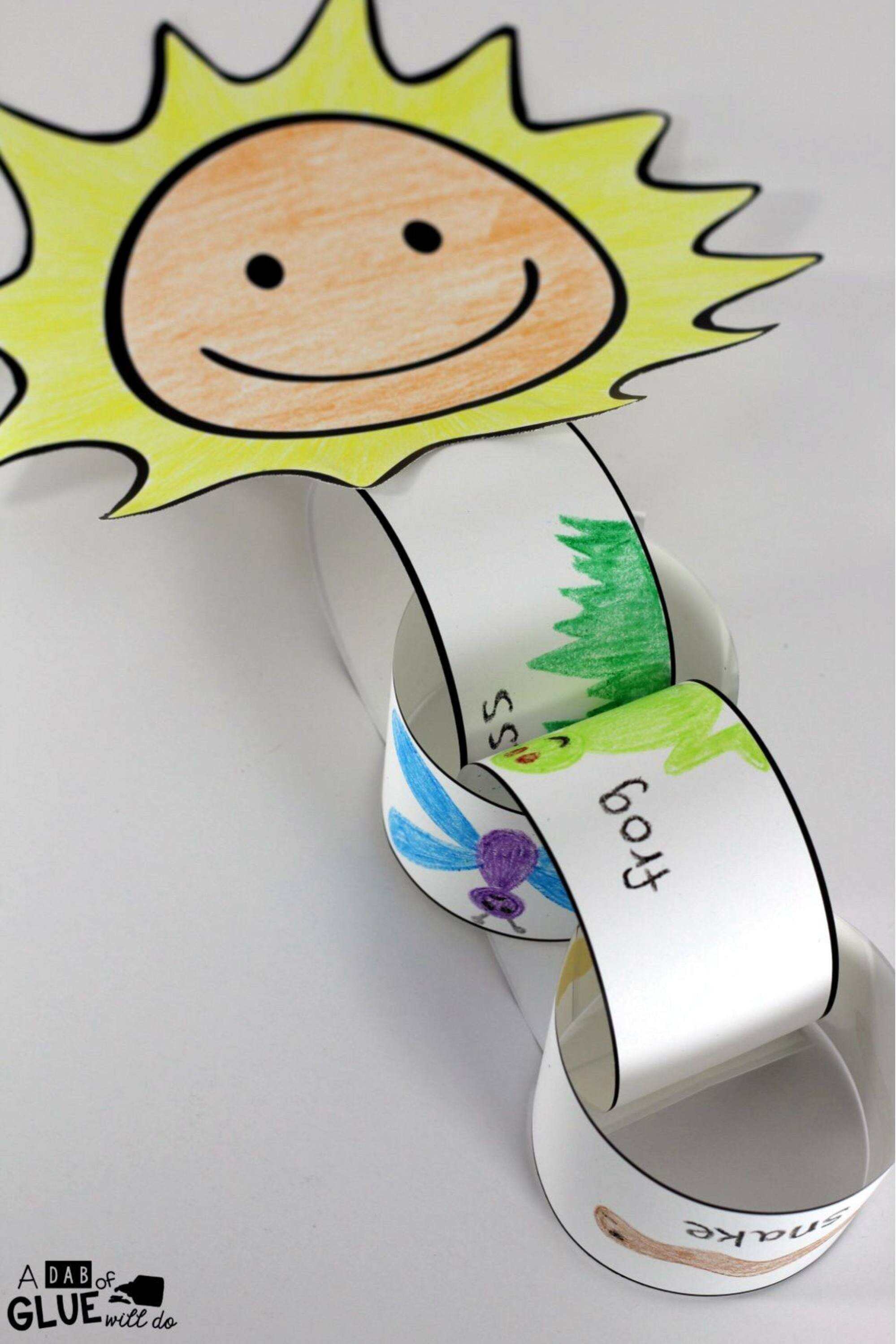
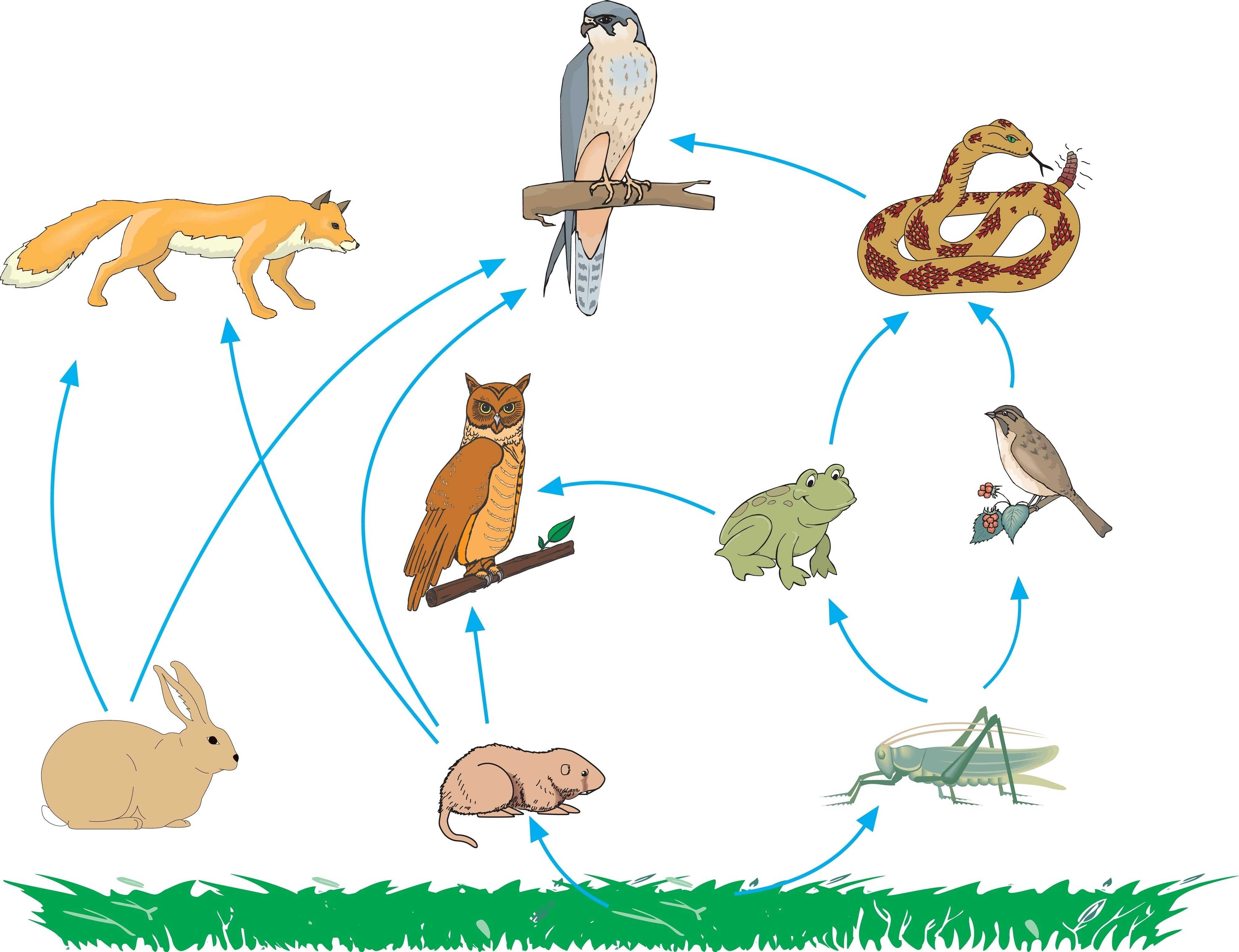
Take seaweed as an example. After seaweed makes its own food with sunlight, shrimp eat the seaweed as food. A fish eats the shrimp, and we eat the fish. This is called a food chain; this is how we get all our food.
These facts do not even scratch the surface of how plants are important for our survival.
Are you ready to discover more about the secret world of science?
Visualising photosynthesis
Materials
-
a transparent cup
-
freshly collected leaf
Instructions
-
Collect a leaf from a nearby bush or tree. Make sure it is green and not too small.
-
Fill the transparent cup with water that is at room temperature.
-
Submerge your leaf completely, including the stem.
-
Put your container in direct sunlight for an hour.
-
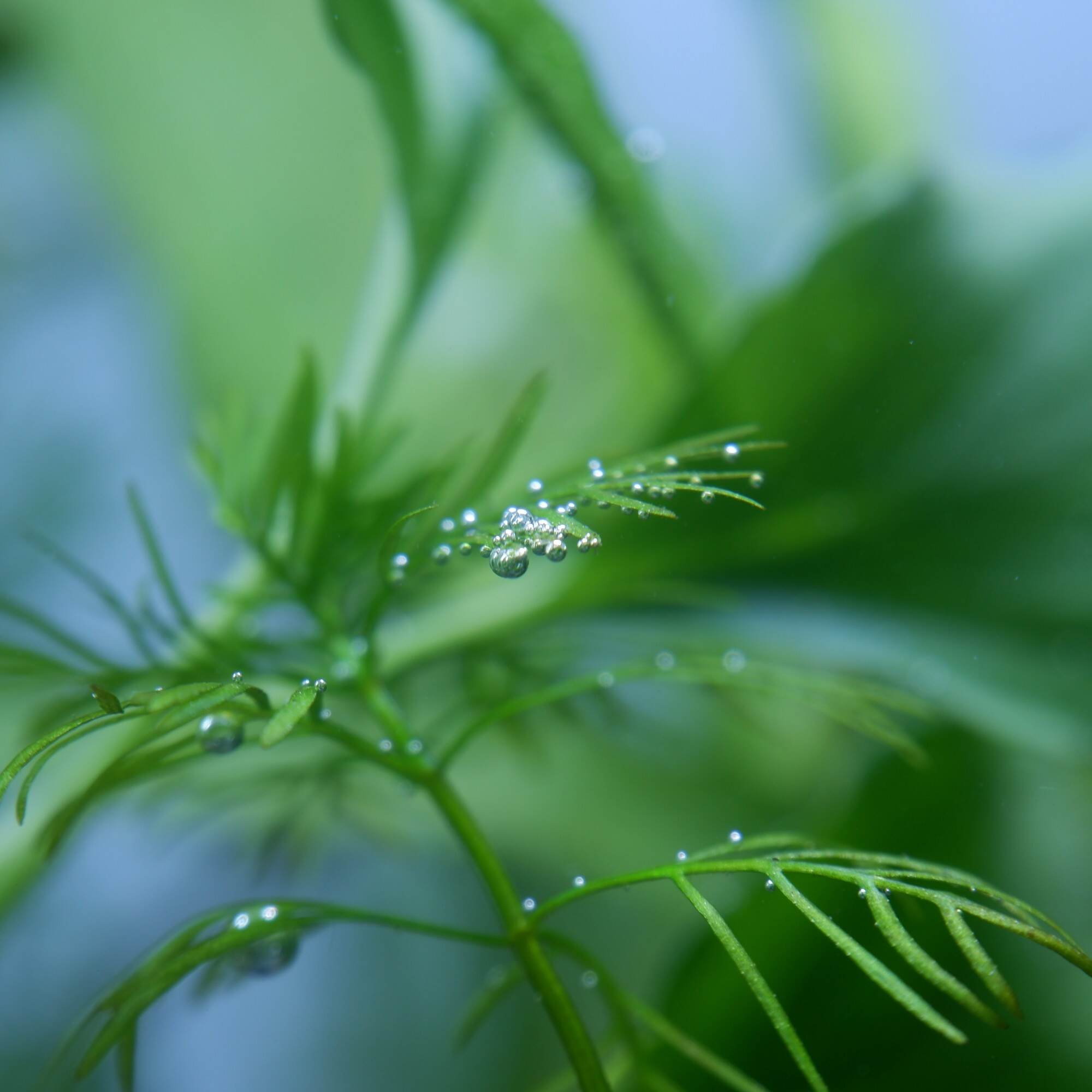
After an hour, come back and take a look at the leaf. There should be air bubbles emerging from it. The air bubbles that appear contain the oxygen produced by photosynthesis!
Food chain
Materials
-
paper
-
scissors
-
markers
-
tape
-
the internet
Instructions
-
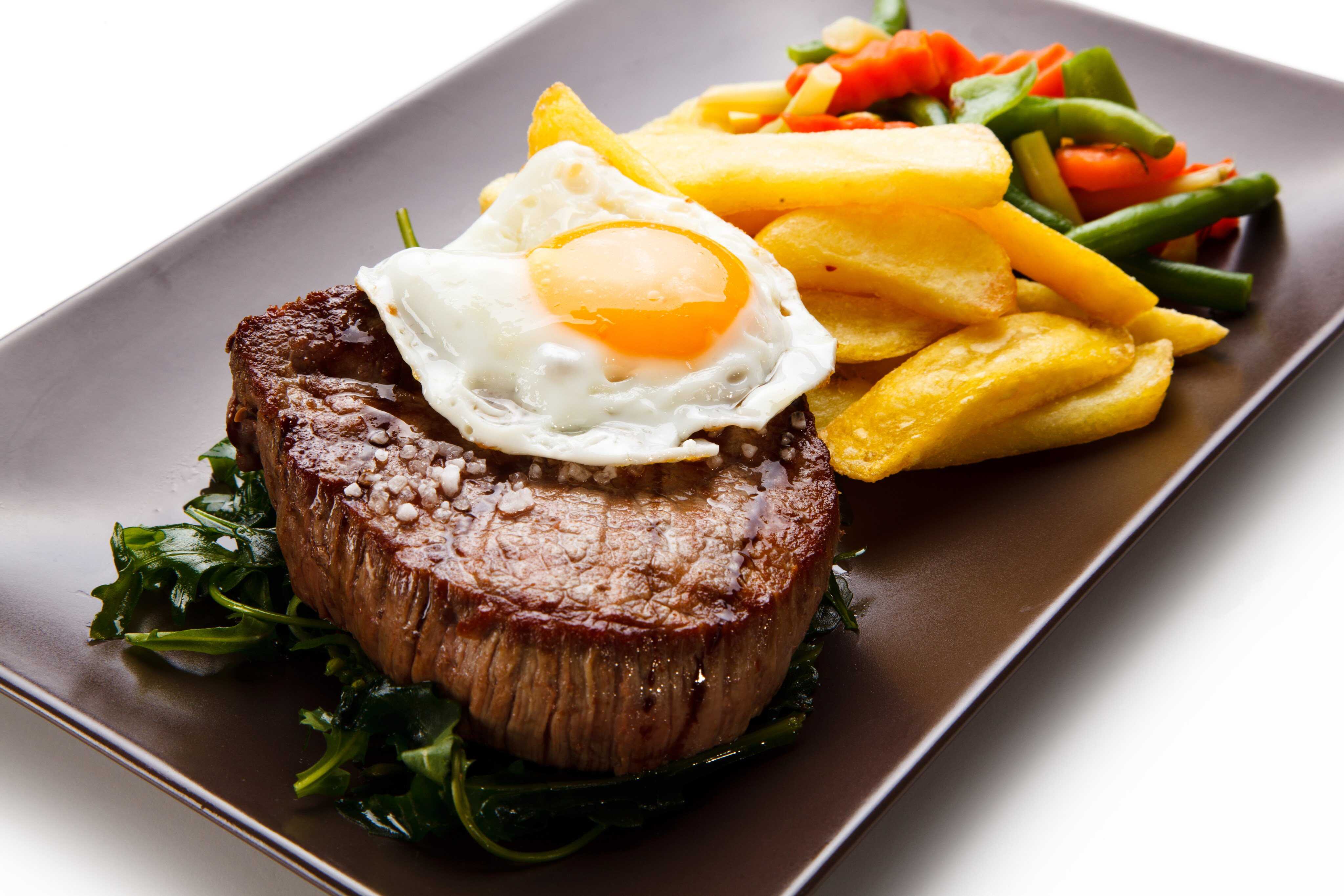
Start by choosing a meat or seafood that you enjoy eating. Then, go online to research what that animal eats. If it is a plant, you can stop there. But if it eats other animals, continue your research until the food is a plant.
-
Take your sheet of paper and cut it into four to five strips that are 4cm thick.
-
In the centre of one strip, write your name and draw a picture of yourself. Write the name of the food you chose in Step 1 on another strip, and draw a picture. Use the other strips until you reach the plant identified in Step 1. Your final strip should be used for the foods that plants eat.
-
Form a circle using the strip that has your name, and tape the ends together. Next, loop the animal you enjoy eating through the first circle and tape the ends together. Do the same with your other strips. In the end, you should have many rings in a chain.
-
Use your food chain to educate your friends and family about where their food comes from.