Difficulty: Challenger (Level 2)
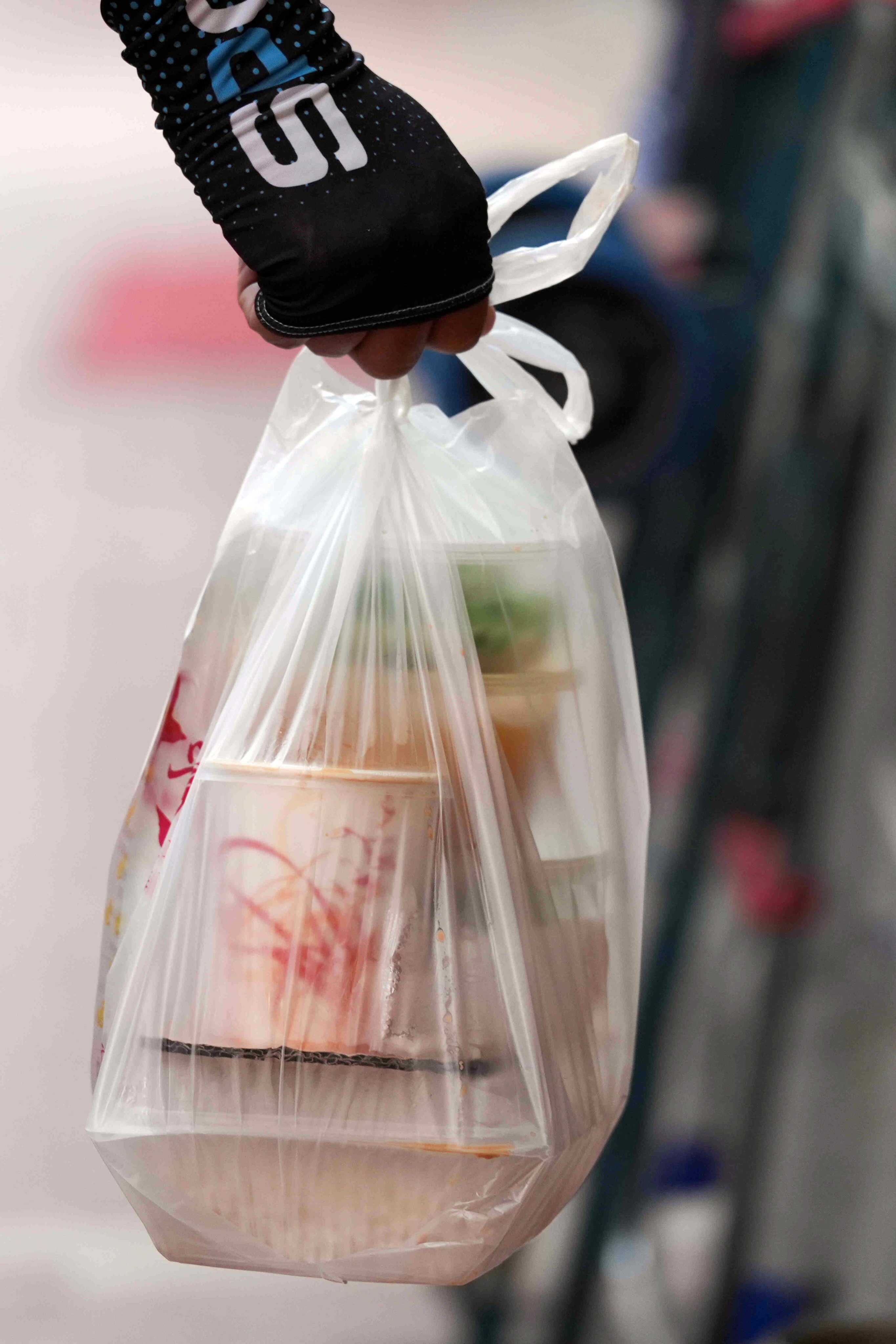
Why do plastic bags look and feel so different to plastic containers, such as soft drink bottles or yogurt tubs?
The difference is because there is more than one type of plastic. Plastic is usually classified into seven main types. However, many more types also exist.
What is plastic?
Plastic is almost always made of fossil fuels. But these days, people can also make plastic from plants like corn.
Plastic is synthetic, which means it is not natural. Long chains of molecules are stitched together to make polymers. Polymer comes from the Greek words poly, meaning “many”, and mer, meaning “parts”.
Different polymers make different types of plastic.
Which plastics are easier to recycle?
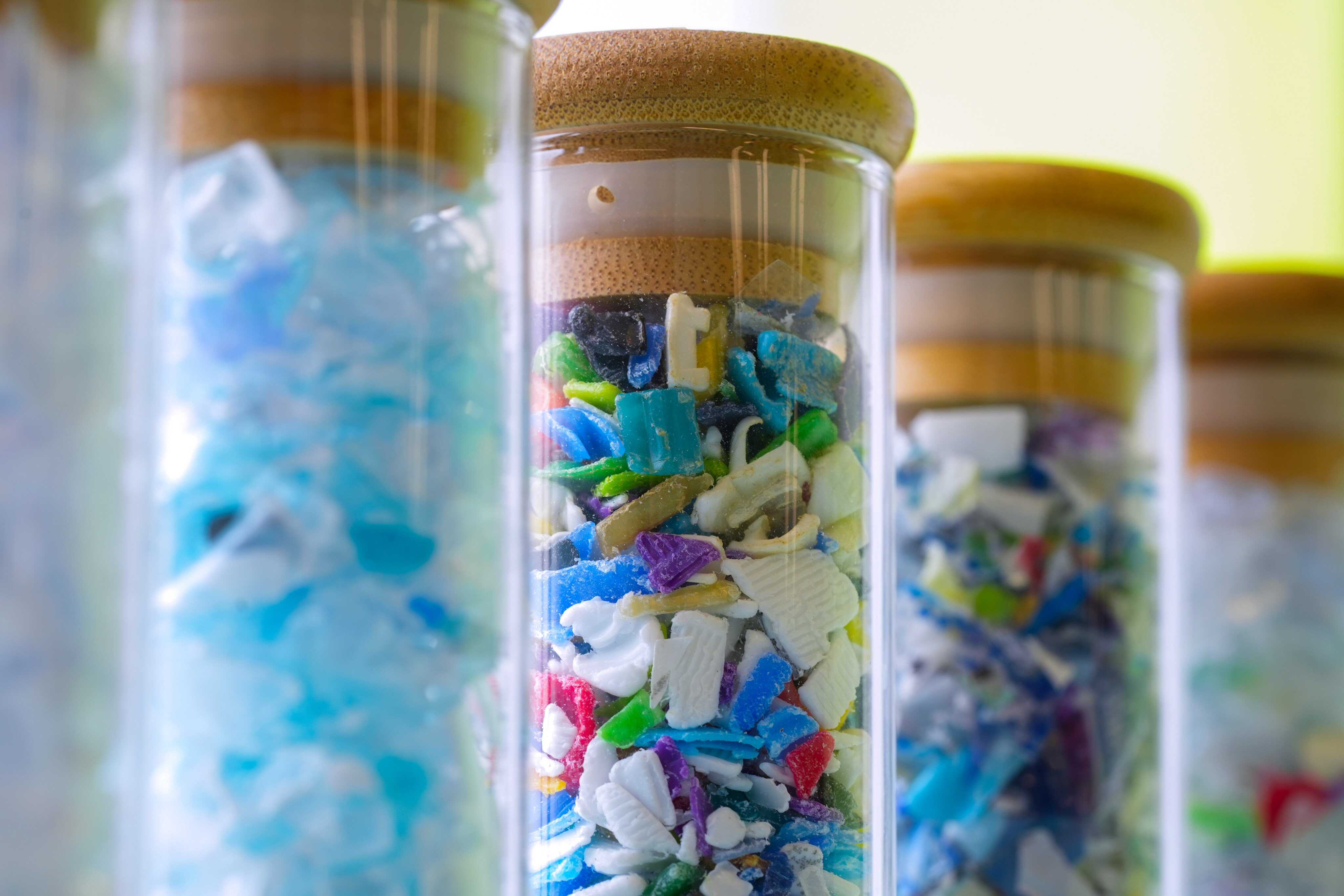
Some polymers are better for recycling because they can be easily melted down and reshaped into new products.
This includes number one on the list of seven plastic types: polyethylene terephthalate, or PET, found in soft drink bottles.
It also includes type number two, high-density polyethylene or HDPE, in some milk bottles, as well as number five, polypropylene or PP, in things like yogurt containers.
What is hard to recycle?
Other plastics are harder to recycle: type number three, polyvinyl chloride or PVC, found in plumbing pipes, and number six, polystyrene, such as styrofoam. It is harder to recycle these mainly because they tend to have extra ingredients, making melting and recycling difficult.
These extra ingredients can include dyes to make the plastic brightly coloured or chemicals to stop the plastic from catching fire.
Did you know almost 300 billion plastic coffee cups have made their way to rubbish dumps around the world? These cups were not recycled because they were made from a mixture of paper lined with plastic.
It is hard to separate plastic from other materials. This makes it difficult to recycle them. But we can choose to use reusable or compostable coffee cups instead.
Some plastic items can often become too dirty to be effectively recycled. For this reason, it is important to always wash any plastics before placing them in the recycling bin.
Sukhbir Sandhu is an associate professor in sustainability at the University of South Australia. This article was first published by The Conversation.
Use the puzzle below to test your knowledge of the vocabulary words in the story.
Suggested answers
-
Before you read: Answers may vary. (Example: my family uses plastic bags for takeaway and plastic containers for food)
-
Stop and think: Some plastics are made of many extra materials, so it is harder for them to be recycled and melted down into a new product. Dyes or chemicals to keep plastic from catching fire are part of the problem.
-
Consider: Many plastics that are hard to recycle end up in landfills. There are 300 billion plastic coffee cups in dumps around the world because they are hard to recycle. This creates concerns for our environment.