
Difficulty: Summiteer (Level 3)
Just before Amina Seyd left home, she noticed half of a loaf of bread on the counter. She took a slice to eat but knew the rest would likely be in the bin by the time she returned from school.
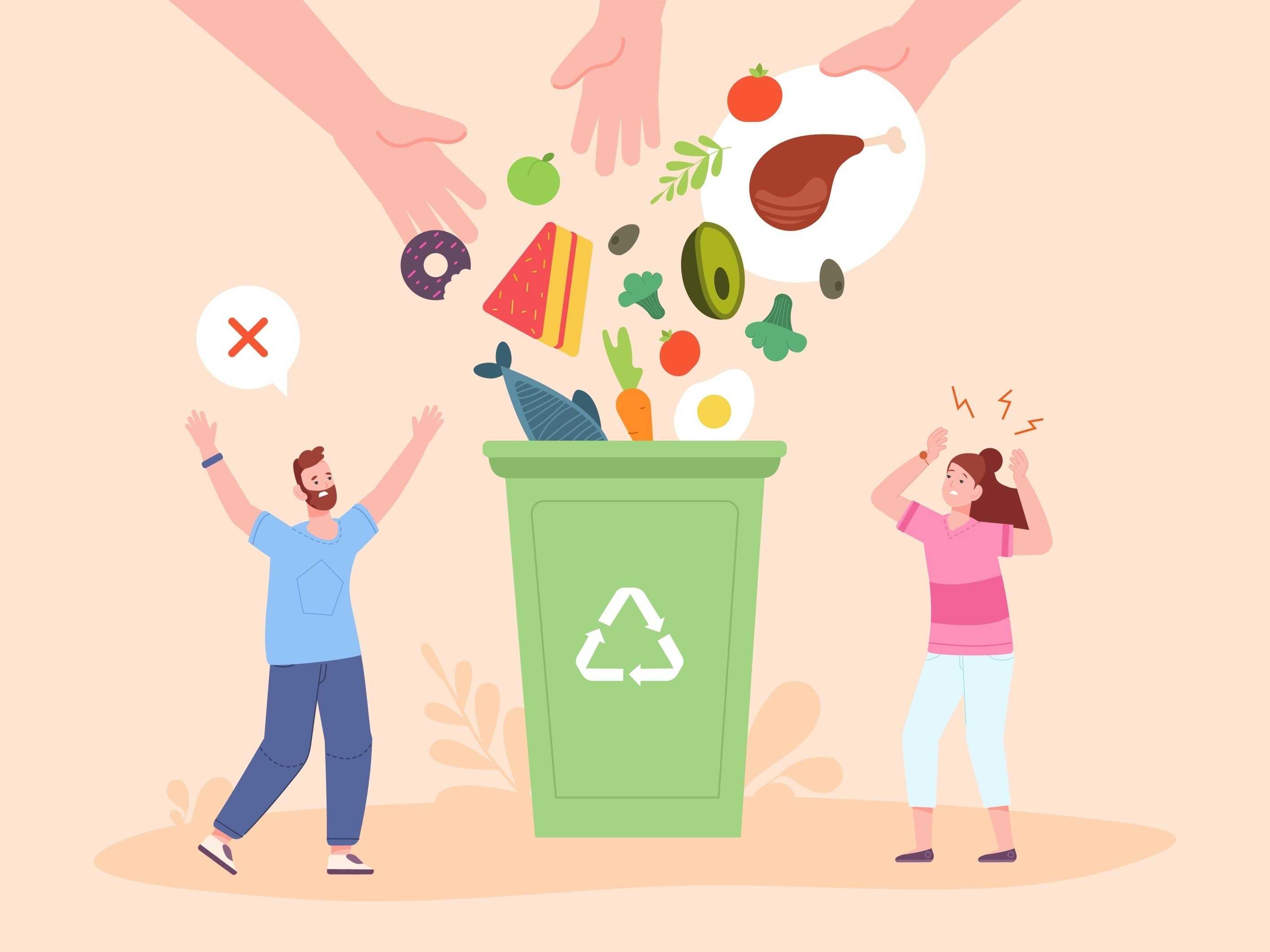
This is a common problem: why do we waste food when we know it is wrong?
The issue with food waste
Kevin Tam is a social science professor at the Hong Kong University of Science and Technology. Tam said there are many reasons why people throw away food that could still be eaten.
In some cultures, people are expected to serve guests more food than they need.
Parents might want their children to eat well, so they buy and cook more than enough food.
But when they cannot finish it, the food gets thrown out.
This is what happens in Amina’s home: “Bread tends to expire easily, and since there are four siblings in our household, we sometimes buy more than we can eat,” the 16-year-old Hongkonger said.
In 2022, 11,130 tonnes of municipal solid waste were sent to Hong Kong’s landfills every day. Of this, 30 per cent was food waste.
Also, a 2024 UN report found that food waste creates eight to 10 per cent of the world’s greenhouse gas emissions every year.

How we get rid of the guilt
Tam pointed out that some people do feel bad about throwing away food.
“They might either change their behaviour by reducing food waste or change how they think about it,” he said.
They might tell themselves that it is OK to throw away the food because it would have expired. They might also try to make themselves feel less guilty by doing another good deed.
What we can do to fix this problem
Government campaigns can show how wasting food creates greenhouse gases, which are leading to increasingly hot summers in Hong Kong.
Schools could also help students track how much money they could save in a year if they wasted less food. Workshops can teach them how to use leftovers in new dishes and store food so it stays fresh.
“To really make people change their food waste habits, we need to do three things: make them want to change, give them the right tools, and help them take action,” Tam said.
Use the puzzle below to test your knowledge of the vocabulary words in the story.
Sample answers
-
Stop and think: When people waste food, they sometimes feel guilty because they know it is wrong. Tam says they will try to feel less guilty by doing a different good deed or convincing themselves that wasting food is OK because it is going bad.
-
Answer this: Tam said parents often buy more food than their kids can eat because they want them to eat well. Additionally, he says that people in certain cultures want to serve guests a lot of food.
-
Consider: The article suggests that schools encourage students to track how much money they save when they don’t waste food. This is a monetary incentive to stop wasting. Schools can also teach students how to best use leftovers and properly store food.