Difficulty: Challenger (Level 2)
The International Union for Conservation of Nature (IUCN) lists about 10,000 species of critically endangered animals. A species is considered critically endangered when it faces a huge risk of extinction. But thanks to dedicated conservation efforts, some species are making a comeback.
1. Giant panda
In 2016, giant pandas were no longer considered endangered. Instead, they are now a vulnerable species. This is because of an increase in their numbers in the wild.
In the 1970s, about 2,500 giant pandas were living in the wild in China. But that number went down to about 1,100 in the next decade. This placed the giant panda on the IUCN’s critically endangered list. This was because they were losing their habitat to deforestation and urban development.
Thankfully, conservation efforts have now seen wild panda numbers climb back to about 1,800. Experts believe this increase is thanks to the creation of protected bamboo forests in southwest China. Bamboo is the main food in a giant panda’s diet. Protecting bamboo forests is one of the best ways to help giant pandas.
2. Eastern barred bandicoot
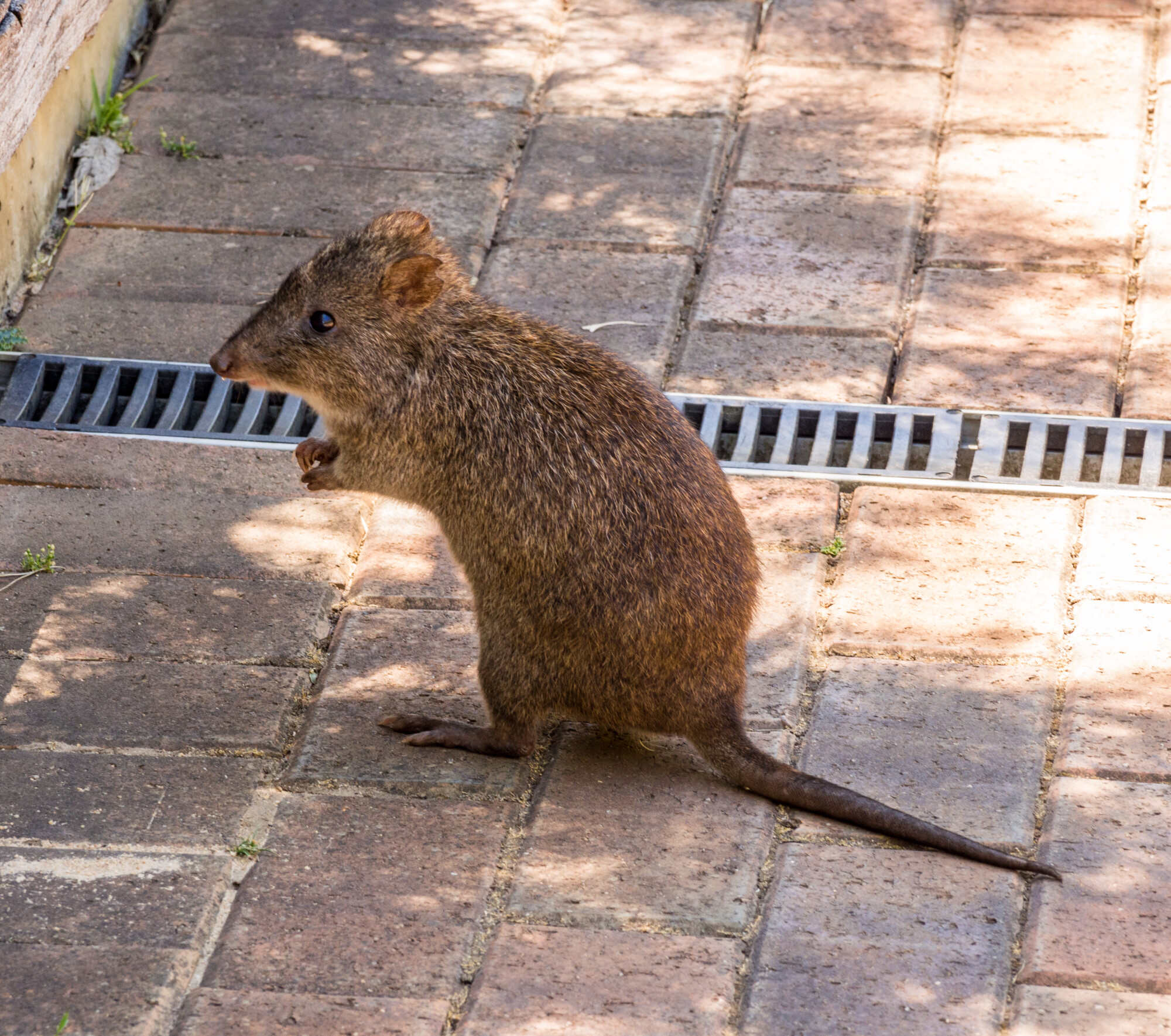
The eastern barred bandicoot is a marsupial found mainly in southeastern Australia. It is often described as a mix between a rabbit and a rat.
In 1989, the total number of eastern barred bandicoots was fewer than 150. This was because colonists had turned the marsupial’s home into farmland. Colonists also brought foxes, which hunted the eastern barred bandicoots.
While this marsupial was declared extinct in the wild on mainland Australia in 2013, experts were able to save the species. For three decades, scientists raised the bandicoots in captivity and carefully released them into areas where they were protected from foxes. The animal is now considered endangered, so there is still a lot of work to be done before the bandicoots are safe.
3. Black-footed ferrets
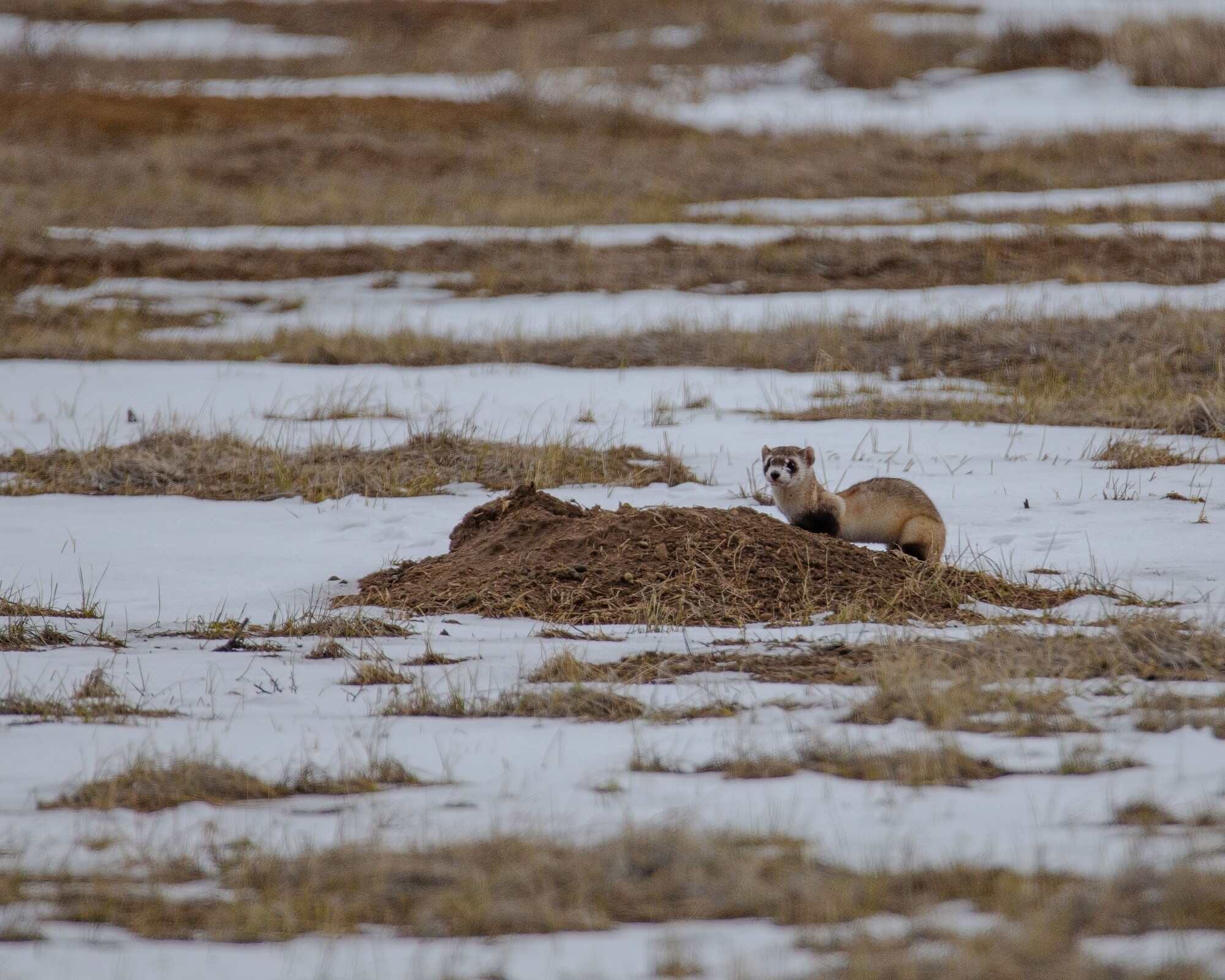
The black-footed ferret is still one of North America’s most endangered mammals. But in the 1970s, they were thought to be extinct. This is because the mammal lost its main food source, the prairie dog. Many prairie dogs died because they were killed by humans, lost their homes to development and suffered from disease.
But in 1981, a small number of black-footed ferrets were found. Since then, conservation efforts have helped the wild population grow to more than 300 ferrets. They live across Mexico, Canada and the western United States. Experts and zoos bred the ferrets in captivity and preserved their habitats. Also, scientists worked to protect them from a lethal disease.
Experts say that 3,000 wild adult ferrets are needed to help this species recover.