Difficulty: Challenger (Level 2)
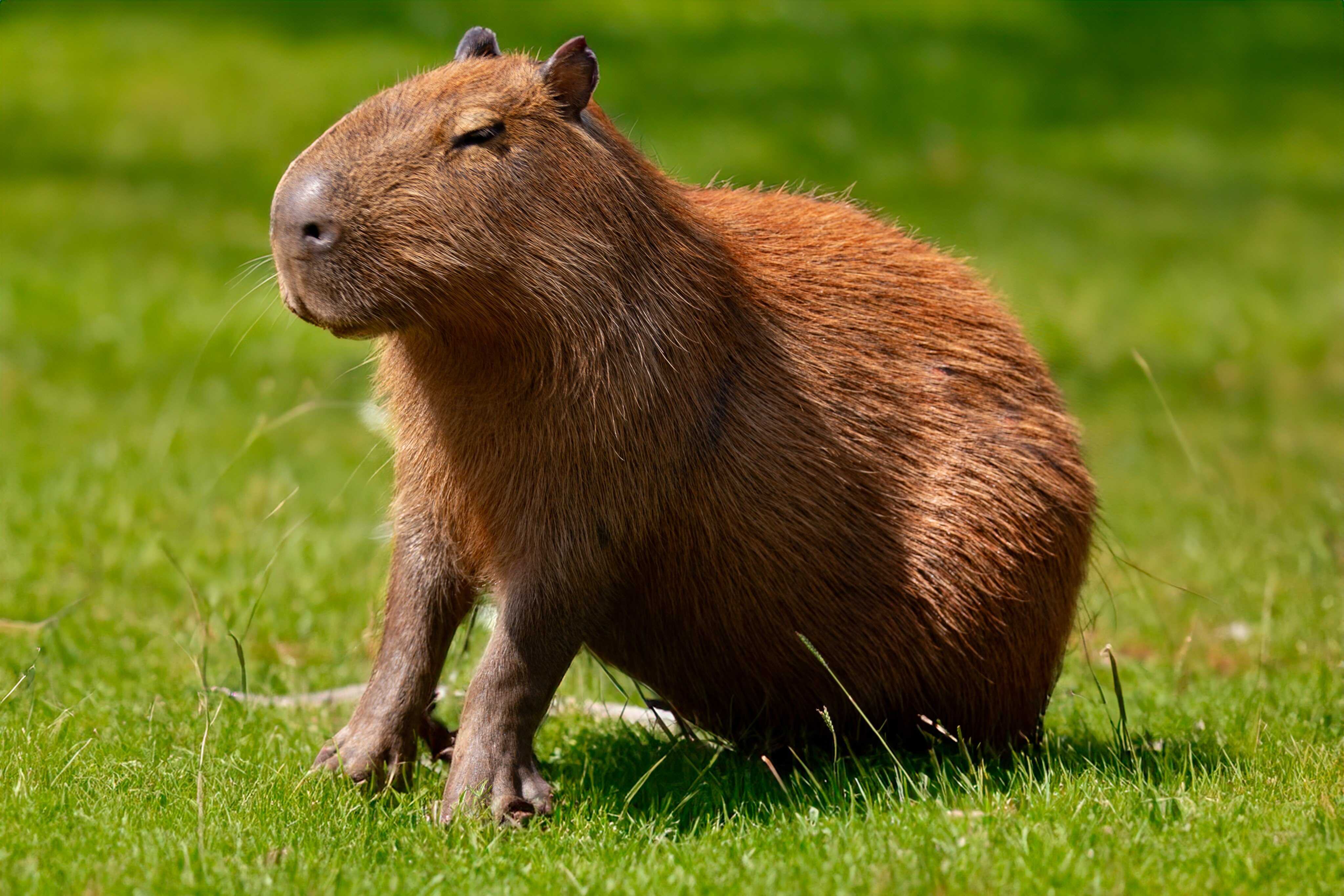
Have you ever wondered why humans do not have thick hair covering our bodies like a dog, cat or gorilla does?
We aren’t the only mammals with sparse hair. Elephants, rhinos and naked mole rats also have very little hair. This is also true for some marine mammals, such as whales and dolphins.
Scientists think that the earliest mammals, which lived at the time of the dinosaurs, were quite hairy. But over hundreds of millions of years, a small handful of mammals, including humans, evolved to have less hair.
Benefits of hair
Hair and fur keep animals warm, help them blend into their surroundings and protect their skin from the sun.
They even assist animals in sensing their environment. Ever felt a tickle when something almost touches you? That sensation comes from your hair helping you detect things nearby.
Humans do have hair all over their bodies, but it is generally sparser and finer than that of our hairier relatives. A notable exception is the hair on our heads, which protects our scalps from the sun.
In human adults, the thicker hair that develops under the arms and between the legs likely reduces skin friction and aids in cooling by spreading our sweat.
If hair is so beneficial, there must have been a strong evolutionary reason for people to lose so much of it.
Why humans lost their hair
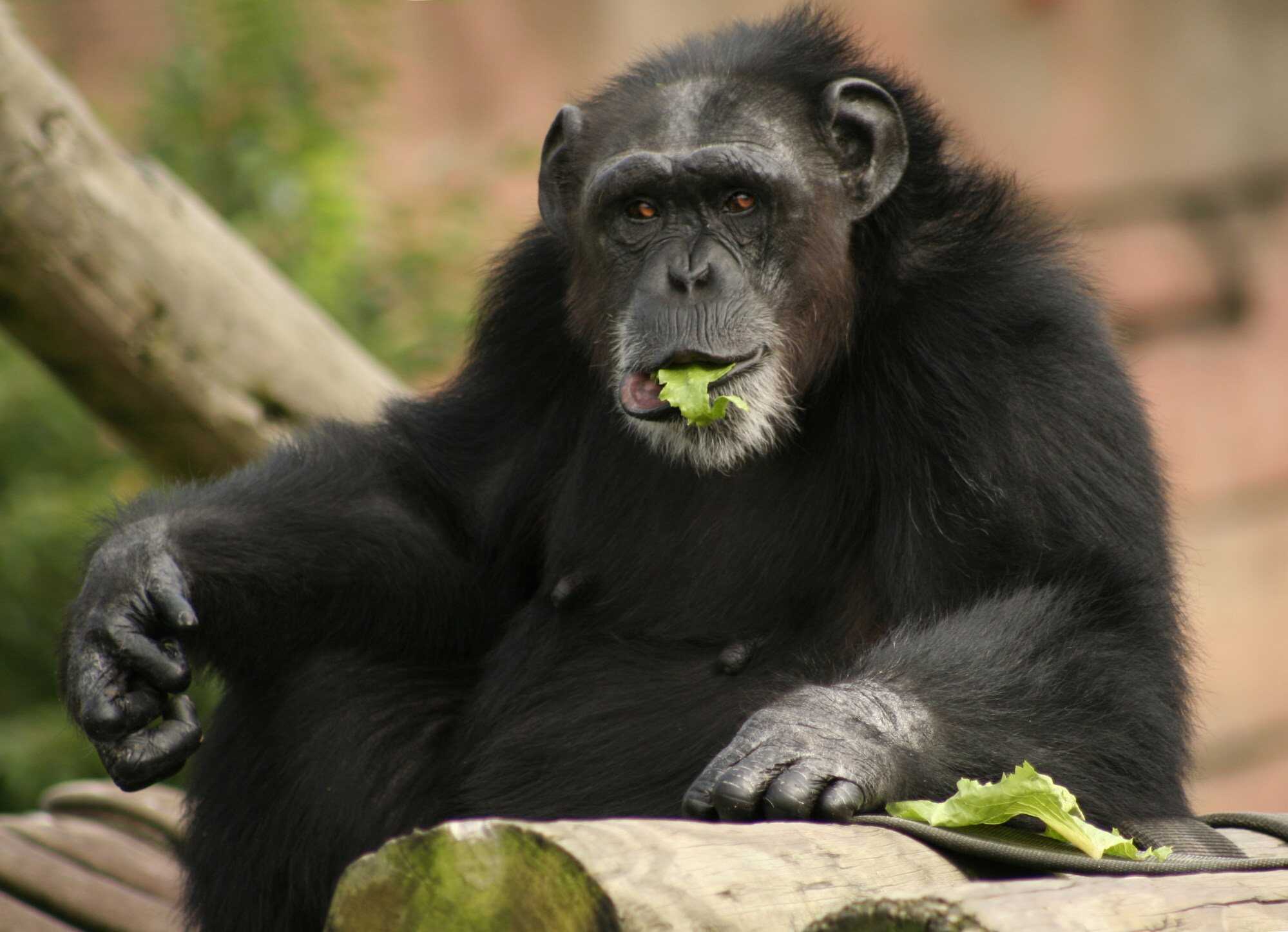
The story begins about 7 million years ago when humans and chimpanzees took different evolutionary paths. Although scientists cannot be sure why humans became less hairy, they have some strong theories that involve sweat.
Humans have far more sweat glands than chimps and other mammals do. Sweating keeps us cool. As sweat evaporates from our skin, heat energy is carried away from our bodies. This cooling system was likely crucial for early human ancestors, who lived in the hot African savannah.
Of course, there are plenty of modern mammals that are covered with fur and live in hot climates. Early humans were able to hunt those kinds of animals by tiring them out over long chases in the heat – a strategy known as persistence hunting.
Humans did not need to be faster than their prey. They just needed to keep going until the animals got too hot and tired to keep going. Being able to sweat a lot, without a thick coat of hair, made this endurance possible.
This article was first published in The Conversation. It was written by Maria Chikina, an assistant professor of computational and systems biology at the University of Pittsburgh.