Difficulty: Challenger (Level 2)
Jal Paghadal grew up in Hong Kong. He is from an ethnic minority group. The student at Delia Memorial School (Glee Path) faced many challenges when he first moved to the city.
“I felt that I couldn’t talk to anybody, [and] I didn’t have any friends,” the 17-year-old explained.
“I think that might be the same situation for many different people who [have recently] arrived in Hong Kong.”
Jal joined a youth entrepreneurial programme last year. It taught him the skills needed to run a business.
He wanted to help people from different ethnic backgrounds feel included in the community.
The HSBC x JA Company Programme is run by HSBC and Junior Achievement Hong Kong.
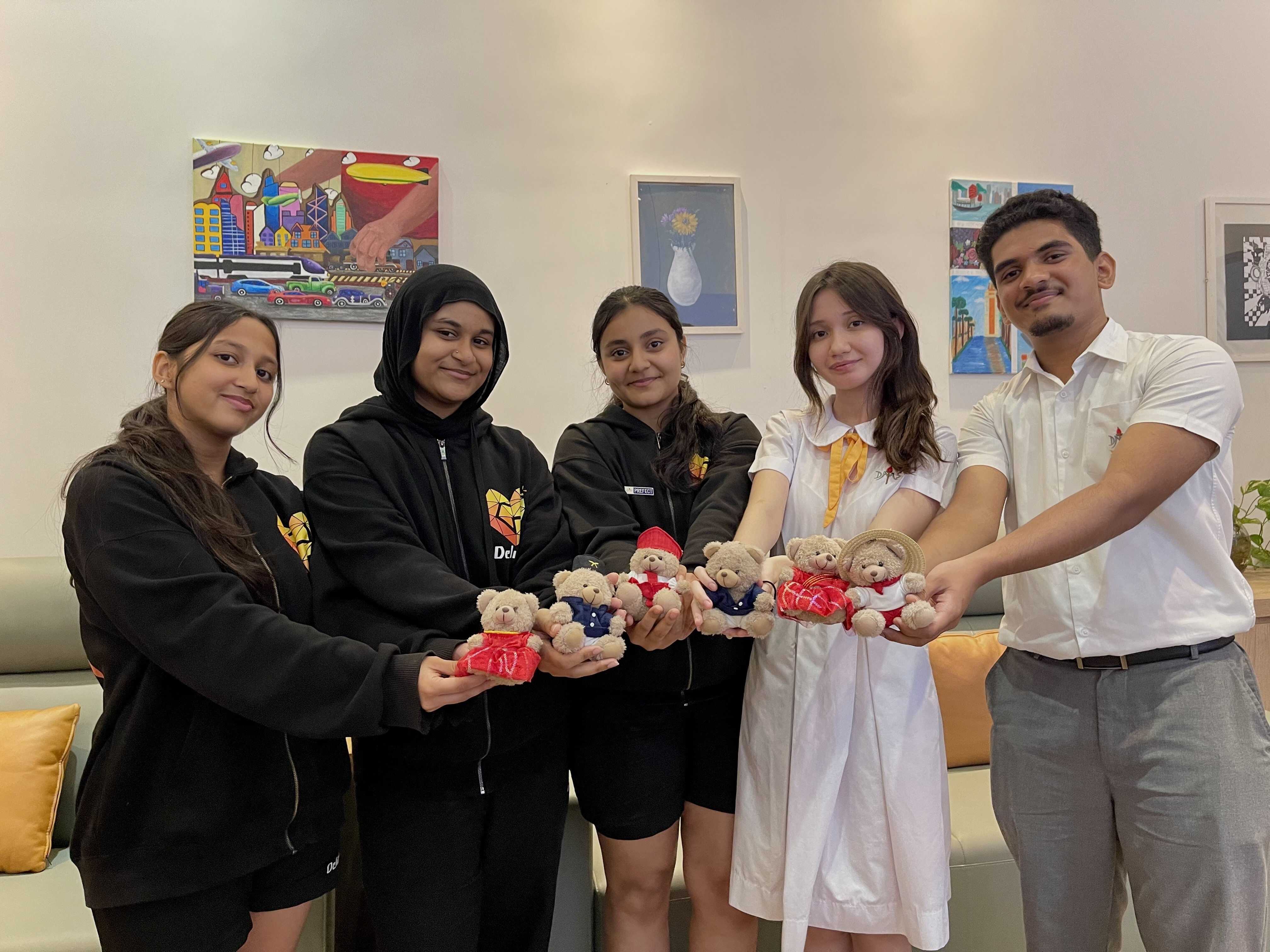
Jal and 23 other schoolmates from diverse backgrounds created a student company called Bearitage.
Together, they designed six different teddy bear keychains. The bears wear clothing representing some of Hong Kong’s ethnic minority groups.
They hope the bears can make their communities feel seen.
Bears that celebrate identity
Chelsea Applegate, 17, was also part of Bearitage.
She said that ethnically diverse individuals were often under-represented in Hong Kong.
“We wanted to promote the vibrant culture of these ethnic minorities ... through our bears,” Chelsea said.
The team spoke to schoolmates and parents from these communities.
They designed each bear’s outfit carefully. They wanted to ensure the clothing accurately represented their heritage.
Indian bears wear traditional kurtas and saris. Filipino bears wear an outfit popularised in the late 19th century and a baro’t saya.
Meanwhile, Nepali bears have a kurta and a hat called the Gurkha topi. They also wear beaded saris.
Jal said the bears do more than showcase beautiful clothing. “Just hanging this on your purse or your bag can make you feel more empowered,” he explained. “It gives you pride in your culture.”
Creating social impact
During the programme, the team partnered with Zubin Foundation.
The NGO aims to help Hong Kong’s ethnically diverse individuals.
Bearitage decided to donate seven per cent of their profits to support the organisation’s work.
Chelsea said the programme inspired her to do more community service.
“Five years from now, I hope that I will be in the process of ... impacting society in a positive way, the same way I did through our company,” she said.
For the students, the greatest achievement was not simply selling teddy bears.
It was proving that even small ideas can foster understanding.