
Difficulty: Summiteer (Level 3)
Sir Richard Owen came up with the name dinosaur to describe the fossils of extinct reptiles in 1841. He coined the word by combining the Greek words deinos, which means terrible, and sauros, which means lizard.
What lies behind a name
A dinosaur’s name says something about the dinosaur itself. Scientists often use Greek or Latin root words to give a name that describes the dinosaur in some way.
Dinosaurs, like all living organisms, are grouped according to similarities they share and how they are related. Scientists use a methodology called cladistics to see how closely organisms are related. They do this by comparing the characteristics that the animals or plants have in common.
According to the system, there are always two parts to a dinosaur’s name – or any living organism, for that matter – and they should both be italicised. The first part of the name is called the genus name and the second is the species name.
Once palaeontologists have chosen a new name, it has to be approved by the International Commission on Zoological Nomenclature. This helps it become official and ensures there are no repeats.
Palaeontologists must also fully describe the anatomy of the dinosaur and explain the cladistic analyses and why they chose the name.
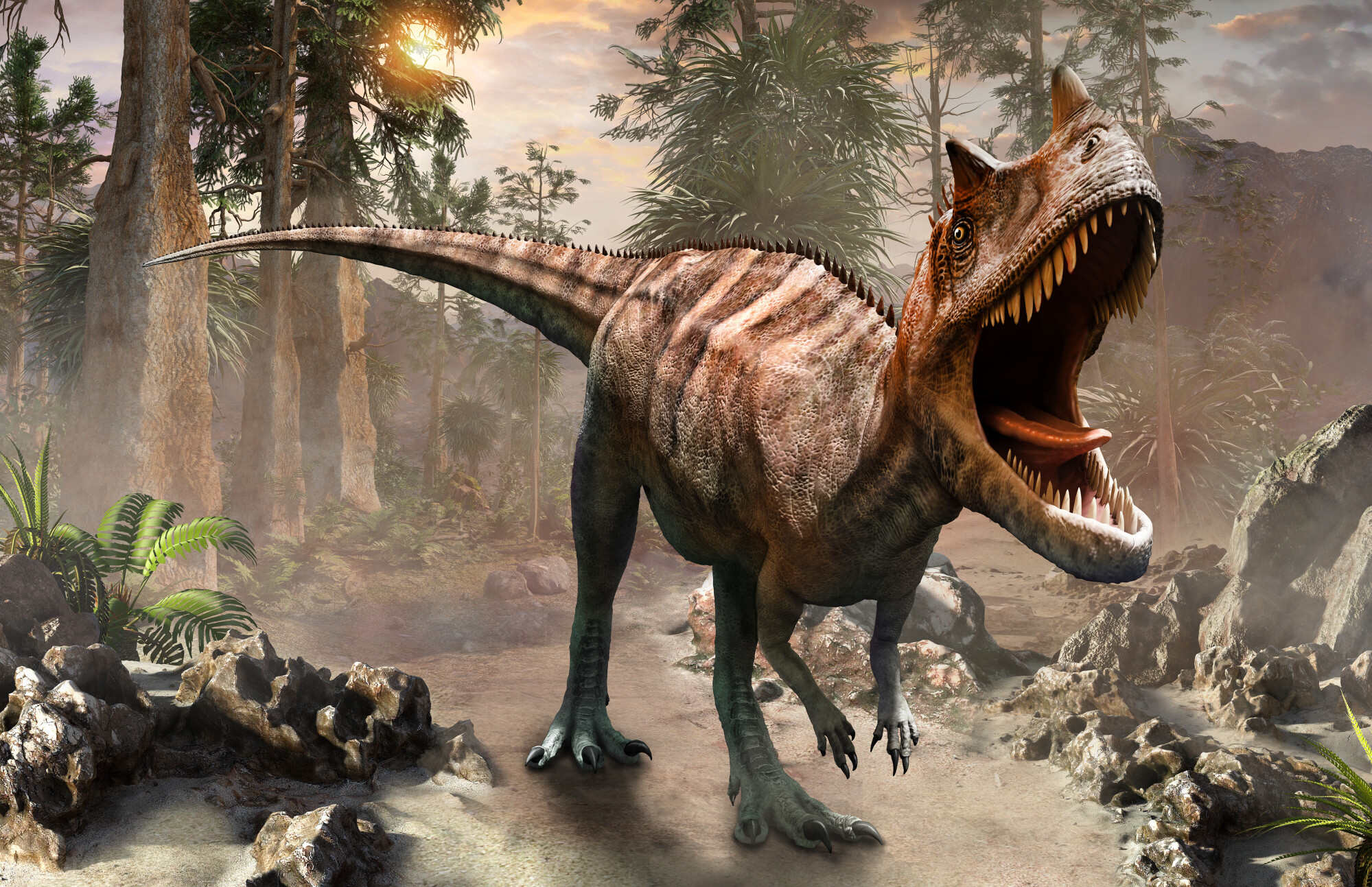
Who gets to have a dinosaur named after them?
Only a few palaeontologists have had the opportunity of naming a dinosaur, and even fewer have species named after them. Palaeontologists get to name a dinosaur if they, or an expedition team, find an animal that is distinct from any others known.
One example is the rare four-winged, long-tailed dinosaur from northeastern China, Changuraptor. “Changu” means “long feather” in Chinese, and “raptor” refers to its predatory habits. The second part of the name honours Yang Yandong, chairman of Bohai University, who provided funding to obtain the specimen.
There is a curious story about a Southern African predatory dinosaur called Syntarsus. Thirty-two years after it was named, an entomologist realised that the name was already given to a beetle in 1869.
The dinosaur was then renamed Megapnosaurus, which means “big dead lizard”.
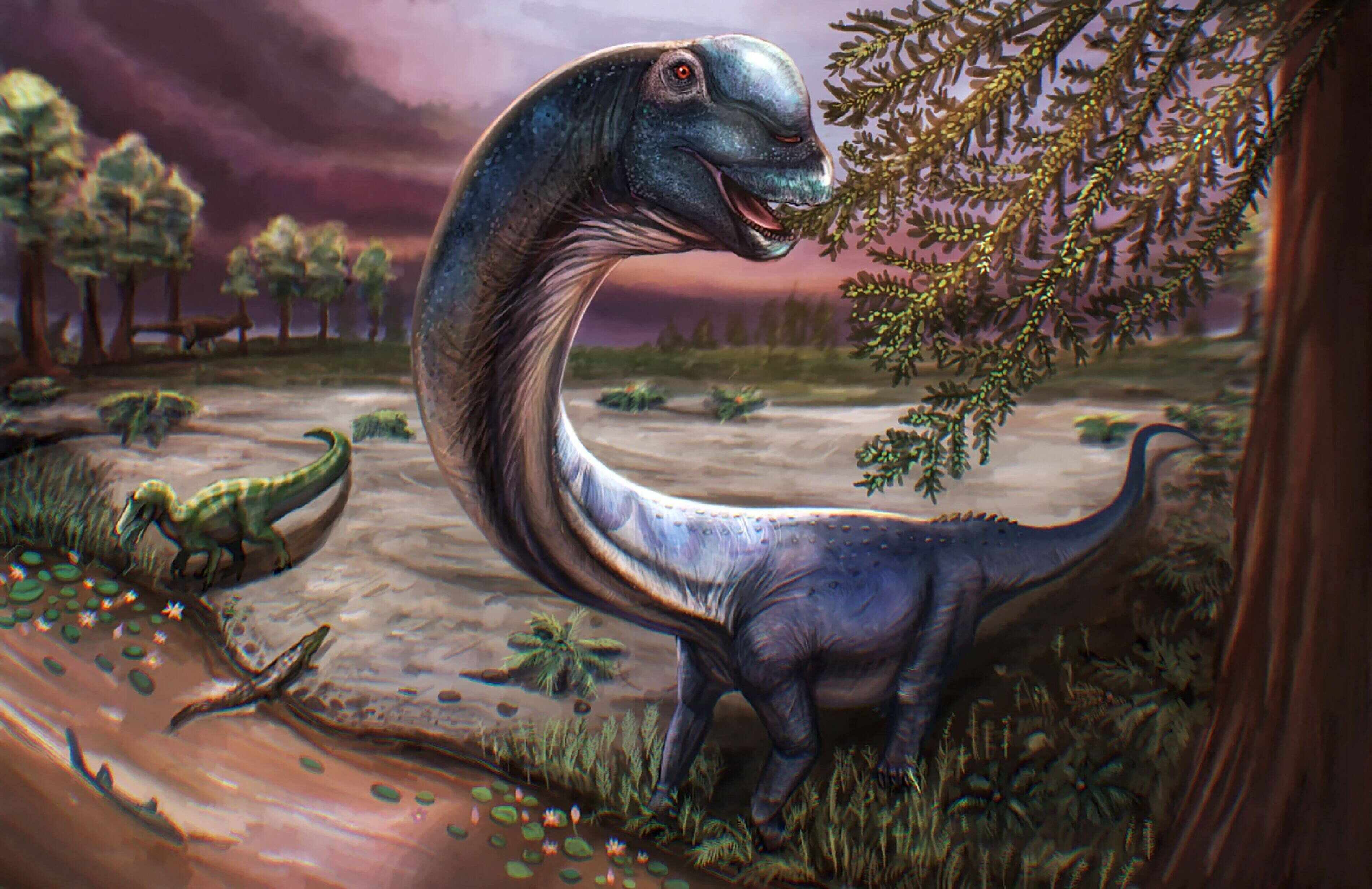
Another Southern African dinosaur was called Aardonyx celestae. Named in 2010, this dinosaur’s name has its roots in Afrikaans (aard means earth) and Greek (onux means claw). It refers to the fact that the animal had thick, iron-rich sediments surrounding many of its foot bones.
The second part of the Aardonyx name pays tribute to Celeste Yates. As a volunteer, she painstakingly prepared the fossils by removing the surrounding rock matrix in which they were embedded.
All dinosaur names have a particular meaning. It is fascinating to learn how they got their names and the sometimes quirky stories behind them.
This article was first published in The Conversation. It was written by Anusuya Chinsamy-Turan, professor and head of biological sciences at the University of Cape Town in South Africa.