Difficulty: Summiteer (Level 3)
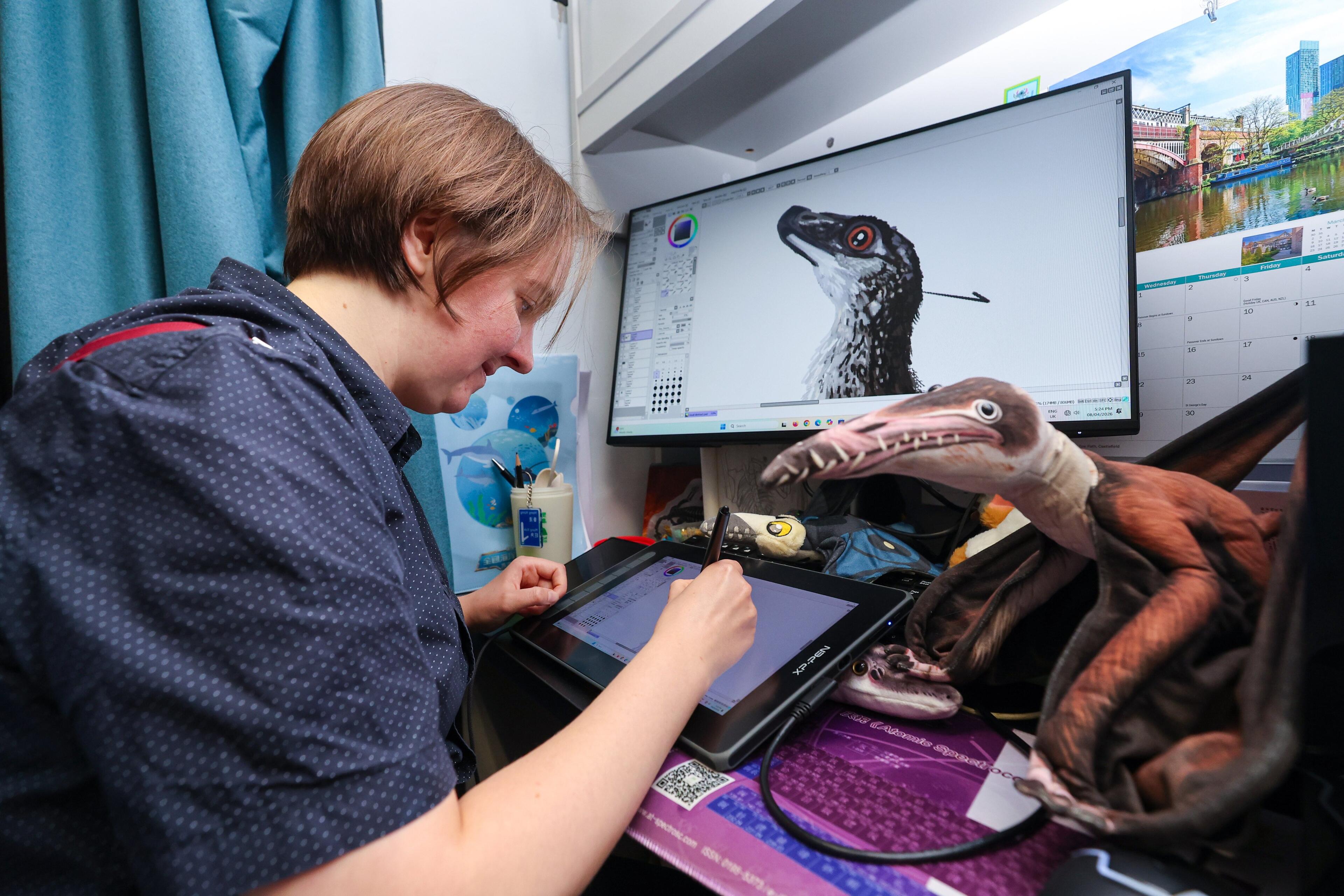
At first sight, Natalia Jagielska’s workspace seems like a mix between a science lab and an art studio. On one side, she studies models of dinosaurs that lived 200 million years ago; on the other, she makes “cute” digital drawings of these ancient creatures.
Jagielska is 28 years old and works as a postdoctoral researcher in palaeontology at the Chinese University of Hong Kong (CUHK).
She believes that her two jobs go hand in hand. Besides her research, she also does freelance illustration and gives science advice for TV shows, books and video games.
She was born in Poland and got her master’s degree in Earth science from the University of Manchester. Then, she earned her PhD in fossils at the University of Edinburgh. She became interested in Chinese fossils, and that brought her to Asia.
“There are a lot of sites across China and Hong Kong which have amazing fossils that have not been described yet,” Jagielska said.
Hong Kong’s Jurassic rocks
Hong Kong has rocks dating to the Jurassic and Cretaceous periods. In parts of the New Territories, such as Port Island and Tolo Bay, fossils of ammonites and even a dinosaur have been found. Researchers are still figuring out what type of dinosaur it is.
Jagielska said the soil here is not as rich in discoveries as other areas, such as Shenzhen and Liaoning province.
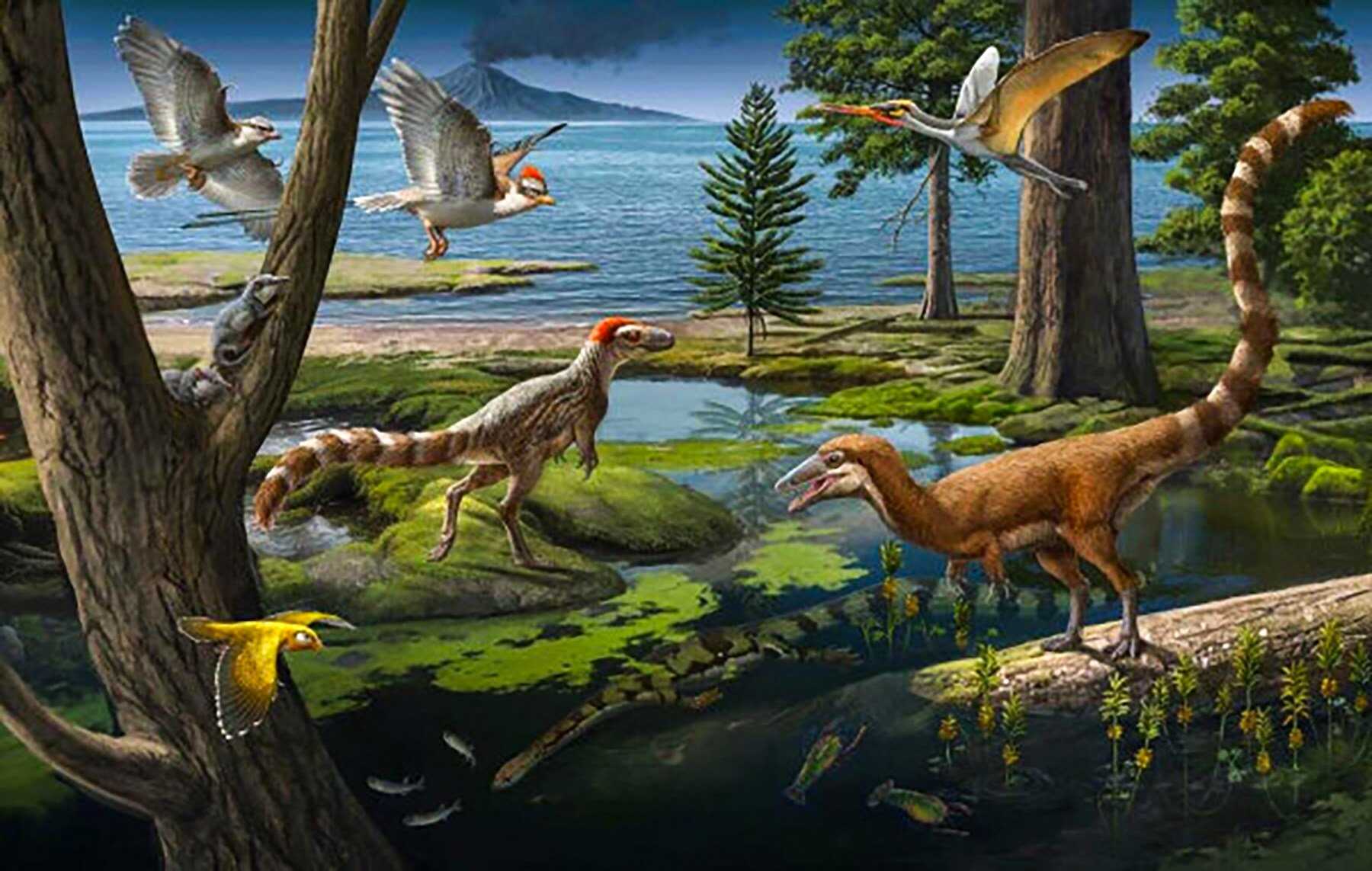
Since 1996, when the first “fluffy” (feathered) dinosaur was discovered in China’s northeastern Liaoning province, the country has become a destination for palaeontologists.
This discovery showed that dinosaurs were not just scaly reptiles. Many were actually like birds, with pigmented feathers.
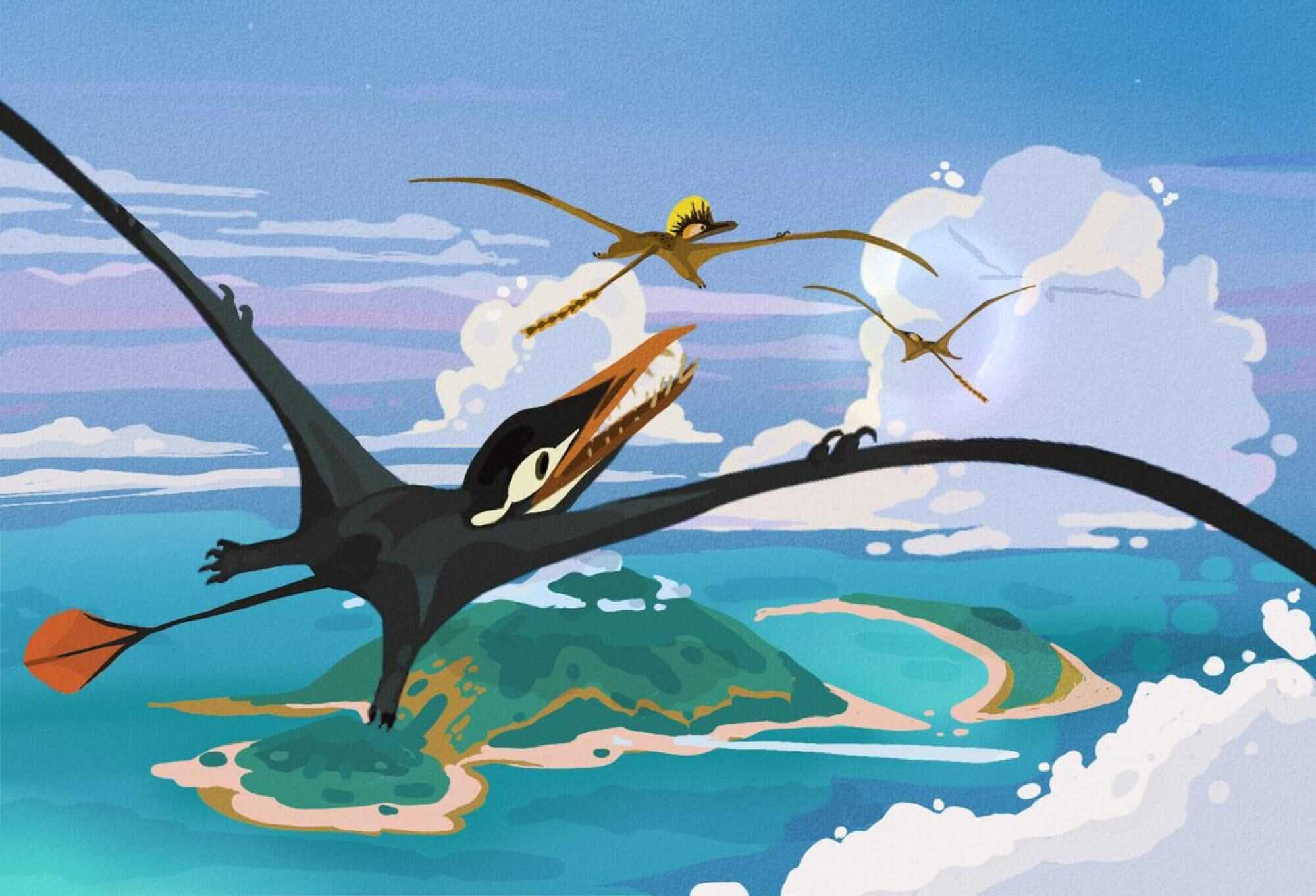
The ‘invisible’ women who rock dinosaur science
It is not easy being a woman in the predominantly male field of science, Jagielska said.
She admires Mary Anning, a 19th century English fossil collector and palaeontologist who worked in southwest England. She discovered the first complete ichthyosaur skeleton and the first pterosaur specimen in Britain.
From Jurassic Park kid to consultant
Having grown up with the Jurassic Park films, Jagielska found it a poetic full-circle moment to work as a scientific consultant for the Jurassic World Evolution 3 video game.
She said the biggest mistake the media makes about dinosaurs is not mentioning their feathers.
The size of these dinosaurs is often wrong, too. “Scary creatures like velociraptors … were actually just slightly bigger than a corgi,” she said.
It is a tough field of science to make it in, Jagielska said. But it is one with many potential career pathways into research, museums, consultancy or even petroleum companies, which Jagielska had previously tried but hated.
“Prepare for failure,” she said to those who are curious about going into palaeontology.
“But when you get lucky, it’s very rewarding. You get to travel, meet interesting people and make tiny kids very happy.”