YoungPost Club Learn
DOWNLOAD OUR APP
appstoregoogleplay
FIND US AT
My JourneyMy Vocabulary BuilderMy Leaderboard
My AccountSearchFAQAbout UsContact Us
Subscription Plan
School Subscription
YOUNG POST
NewsTrendingBeing wellLearning zoneShare with usQuizzes
SPARK
NewsTrendingBeing wellLearning zoneShare with usQuizzes
POSTIES
Big readEye on the newsHa-ha-happeningsThings to doYour saySteam studioHealth and happinessQuizzes
Subscribe to Young Post Club to access our great content
ABOUT US|CONTACT US|WRITE FOR US|PRIVACY POLICY|TERMS & CONDITIONS
©2026 Young Post Club. All rights reserved.
My Journey Hello
Brand Avatar
Young Post
My Journey illustration

With a subscription, you can answer quizzes and track your reading progress.

result
Learn new words with our vocabulary challenge!
My Journey illustration

With a subscription, you can answer quizzes and track your reading progress.

result
Learn new words with our vocabulary challenge!
My Journey illustration

With a subscription, you can answer quizzes and track your reading progress.

Read / Eye on the news

Climate change is making great white sharks swim north

Young great white sharks are moving into central California waters, where they pose a threat to sea otters
byAgence France-Presse
Published: 11:45pm, 15 Oct 2023
Length: 195 words
Climate change is making great white sharks swim north

Until 10 years ago, young great white sharks only lived in southern California. Photo: Shutterstock

There never used to be young great white sharks off the beaches of central California in the United States. But now, warmer waters are attracting them north, and they are dangerous to otters.

“The number of bites on sea otters has increased in this region drastically,” said Salvador Jorgensen, a marine ecologist.

Great white sharks roam the world’s seas, hunting seals and dolphins. But because they are warm-bodied, youngsters spend their time in warmer waters.

Until 10 years ago, that meant young sharks would only be found in southern California. But now, that is changing.

“As ocean temperatures have been warming, many species have been shifting further north,” Jorgensen said.

That’s what brings them into contact with sea otters. But otters aren’t the right food for sharks, who often bite and kill the otters without eating them.

But without otters, kelp will die and that affects many other ocean animals.
IN THIS ARTICLE
Animals
Environment
United States of America

KEEP READING
cover
Eye on the news
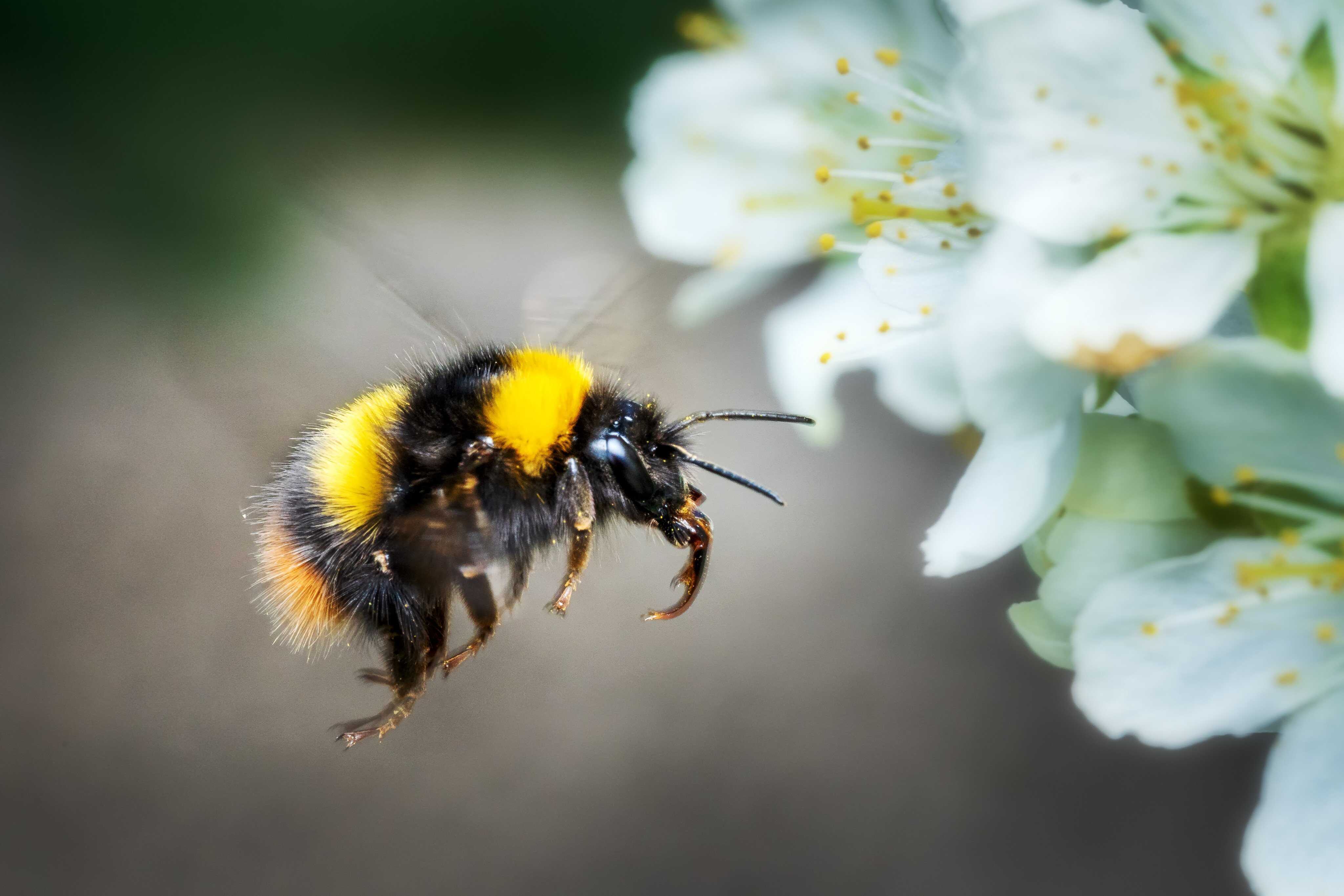
Hard times may be coming for European bumblebees
24 Sep 2023
cover
Eye on the news
Climate change and bugs are hurting Mexico City’s famous palm trees
11 Sep 2023
cover
STEAM studio
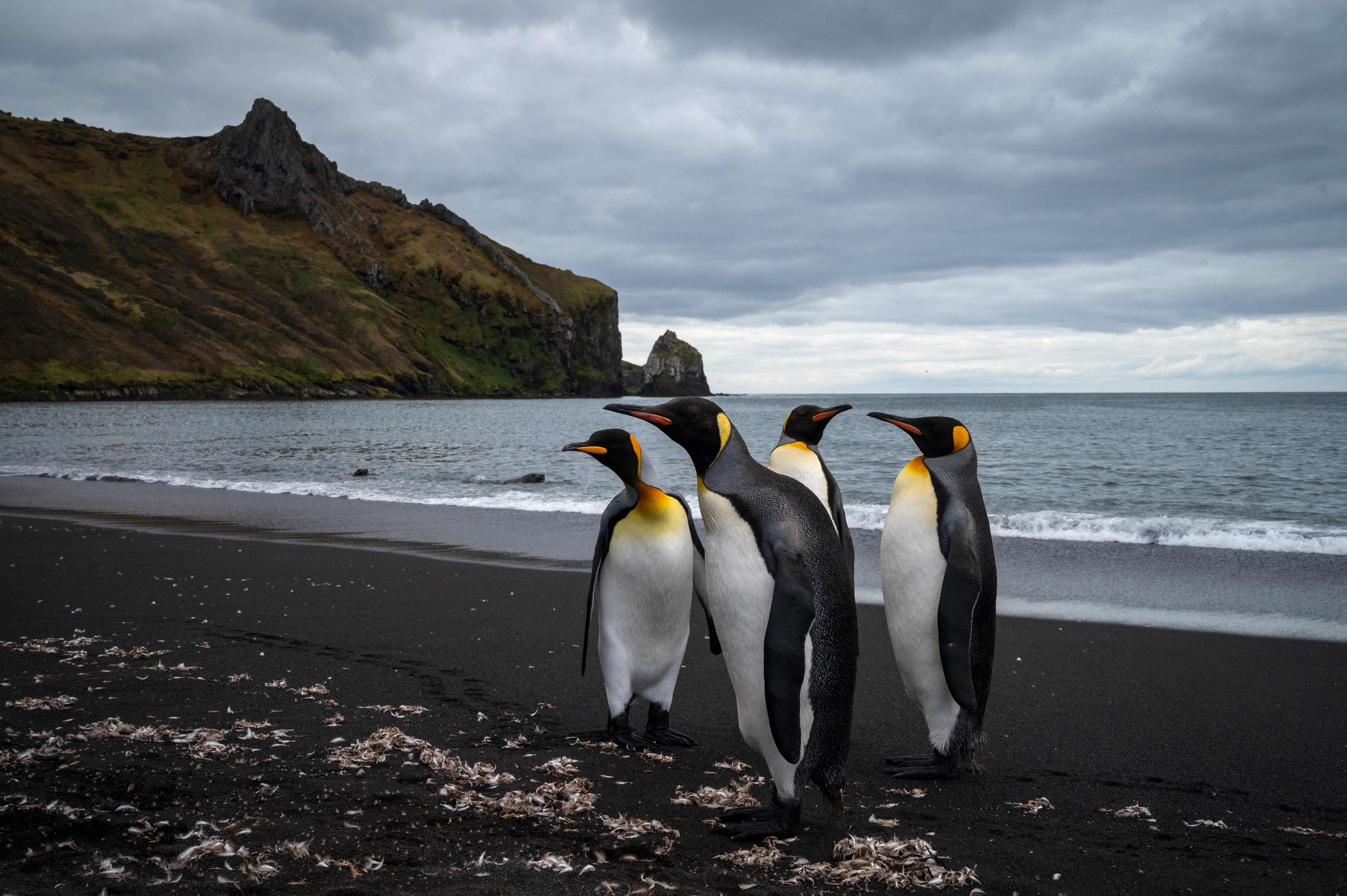
Penguins face a new climate challenge 
15 Mar 2023