Difficulty: Summiteer (Level 3)
Researchers from the Chinese University of Hong Kong (CUHK) recently made a new discovery that will help children who have leukaemia – a type of cancer in the blood.
Acute lymphoblastic leukaemia (ALL) is the most common cancer among Hong Kong children. Every year, about 50 young Hongkongers are diagnosed with ALL.
Current treatment includes chemotherapy, but more severe cases require bone marrow transplants or gene therapy.
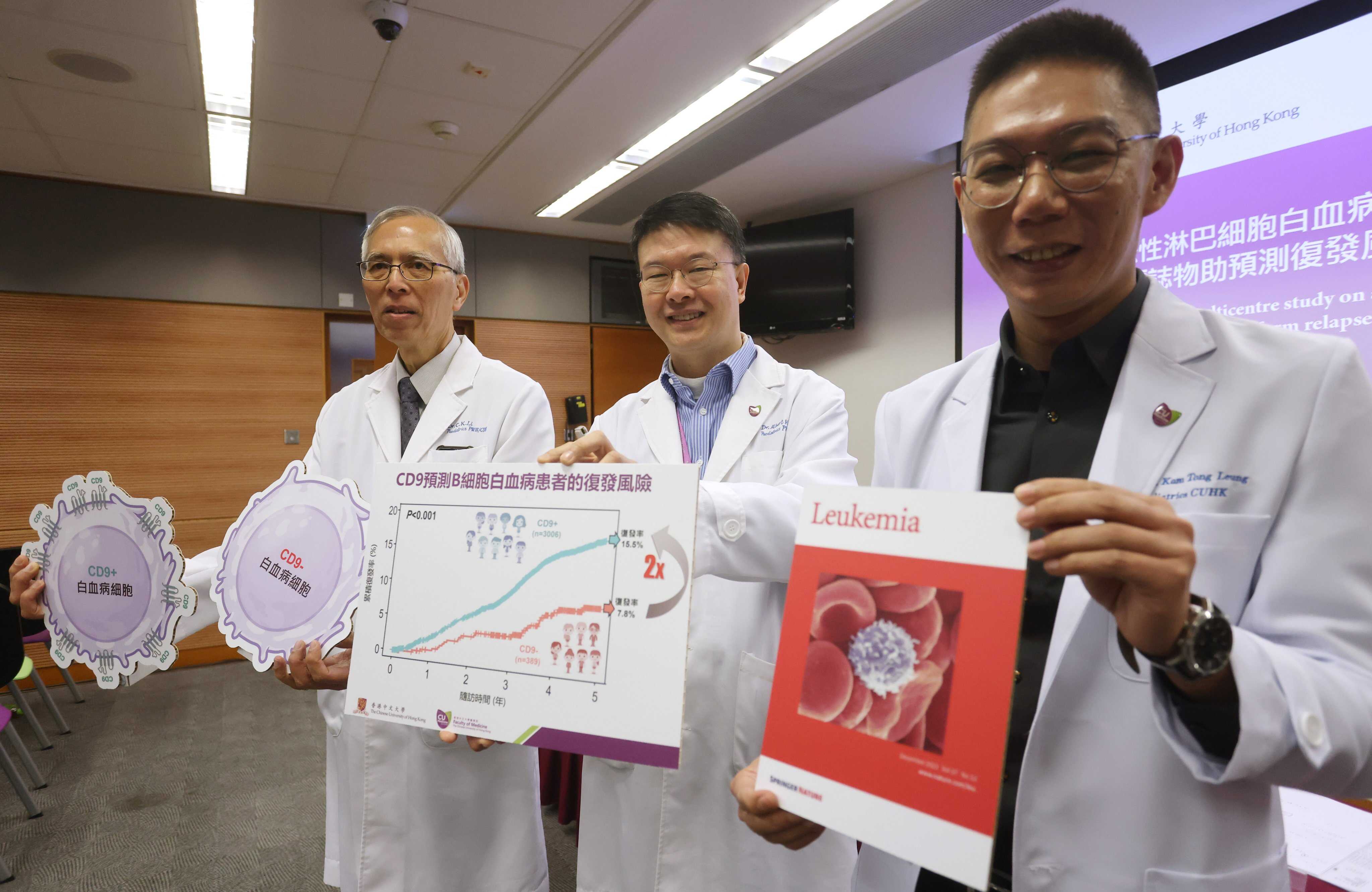
Some patients have a protein called CD9 in their bone marrow, and CUHK’s research found that they were twice as likely to relapse. A relapse is when a disease returns after it goes away for some time.
In the study, researchers looked at 3,781 patients in Hong Kong and mainland China over four years. It was the world’s largest study looking at the CD9 protein and relapse.
Researchers hope Hong Kong’s hospitals will keep testing for the CD9 protein. If patients have it, doctors can use a stronger treatment to keep them from relapsing.
“We hope the [research] can ... lower the risk of relapse, improving survival rates,” said Li Chi-kong, a research professor at CUHK. Li hopes that they can continue to research this issue and share their findings with the rest of the world.
Quiz time
-
What is the most common cancer for children in Hong Kong?
-
What is leukaemia?
-
How can the findings in the article help leukaemia patients?
-
Which Hong Kong school conducted this research?
Suggested answers
-
Acute lymphoblastic leukaemia is the most common cancer for children in Hong Kong.
-
Leukaemia is a cancer in the blood.
-
If someone has the CD9 protein, then doctors will know to use stronger treatment to make sure they don’t relapse.
-
Researchers at the Chinese University of Hong Kong made this discovery.