YoungPost Club Learn
DOWNLOAD OUR APP
appstoregoogleplay
FIND US AT
My JourneyMy VocabularyMy Leaderboard
My AccountSearchAbout UsContact Us
Subscription Plan
School Subscription
YOUNG POST
NewsTrendingBeing wellLearning zoneShare with usQuizzes
SPARK
NewsTrendingBeing wellLearning zoneShare with usQuizzes
POSTIES
Big readEye on the newsHa-ha-happeningsThings to doYour saySteam studioHealth and happinessQuizzes
Subscribe to Young Post Club to access our great content
ABOUT US|CONTACT US|WRITE FOR US|PRIVACY POLICY|TERMS & CONDITIONS
©2026 Young Post Club. All rights reserved.
My Journey Hello
Brand Avatar
Young Post
My Journey illustration

With a subscription, you can answer quizzes and track your reading progress.

Read / Eye on the news

Beach vacations in the US are being hit by a climate-changed fuelled spread of bacteria

Blooms of E coli and cyanobacteria are leading to beaches across the country being closed
byTribune News Service
Published: 11:45pm, 08 Sep 2024
Length: 210 words
Beach vacations in the US are being hit by a climate-changed fuelled spread of bacteria

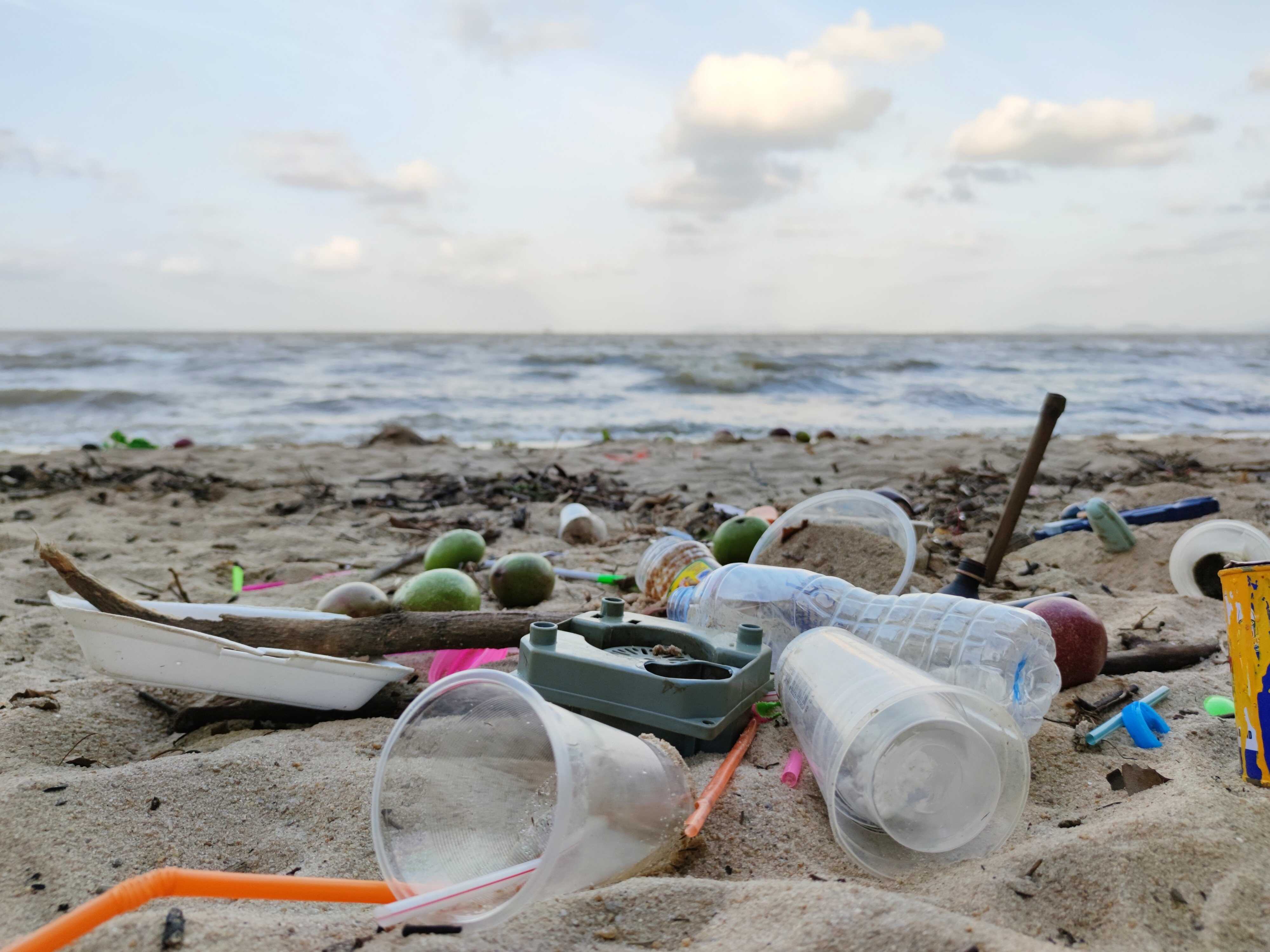
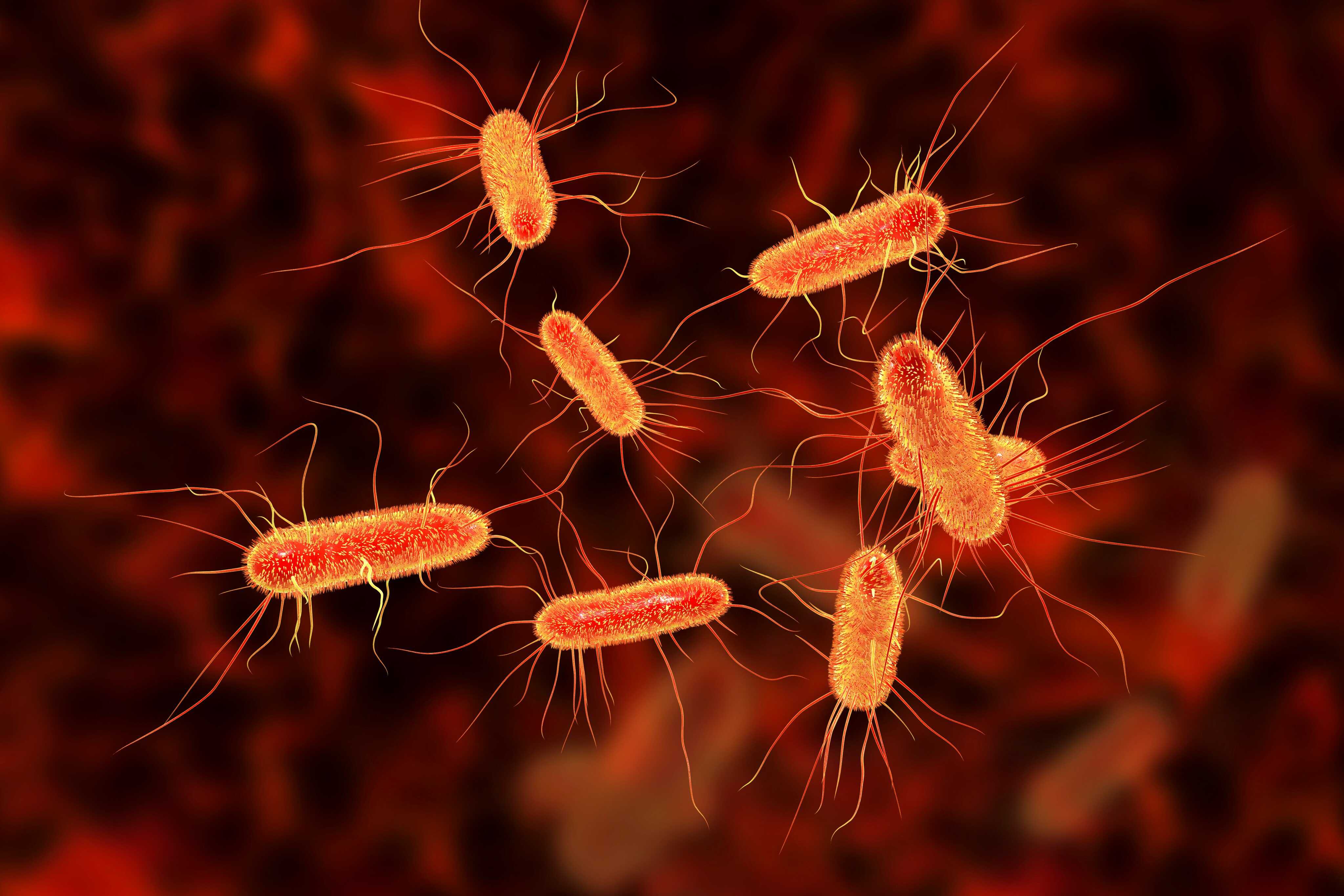
E coli and cyanobacteria are causing widespread beach closures at lakes and rivers in the US. Photo: Shutterstock

Difficulty: Summiteer (Level 3)

Beating the heat in the US is a little harder this summer than it used to be. E coli and cyanobacteria are causing many beach closures at lakes and rivers. It’s a problem that has been worsened by climate change. Warmer waters and larger downpours are creating perfect conditions for bacteria.

Bacteria tend to grow in warm conditions. Between 1985 and 2009, lakes and ponds warmed at a rate of roughly 0.6 degrees Fahrenheit (0.3 degrees Celsius) per decade. That shift is increasing the risk of bacteria blooms in historically cold places. The bacteria can cause symptoms, such as rashes, diarrhoea and liver damage.

Cyanobacteria also blooms in the high heat. When it breaks down, it releases harmful toxins that irritate the skin and eyes and cause respiratory and gastrointestinal issues.

The best strategies for reducing the risk of harmful bacterial blooms are reducing nitrogen and phosphorus pollution.

Answer: Climate change is leading to warmer waters where the bacteria can flourish.

IN THIS ARTICLE
Environment
United States of America

KEEP READING
cover
STEAM studio
What is pink eye and how does it spread?
21 Jul 2024
cover
STEAM studio
New US rules for dogs hope to prevent spread of rabies
30 Jun 2024
cover
Big read
What’s wrong with single-use plastics?
17 Dec 2023