Difficulty: Summiteer (Level 3)
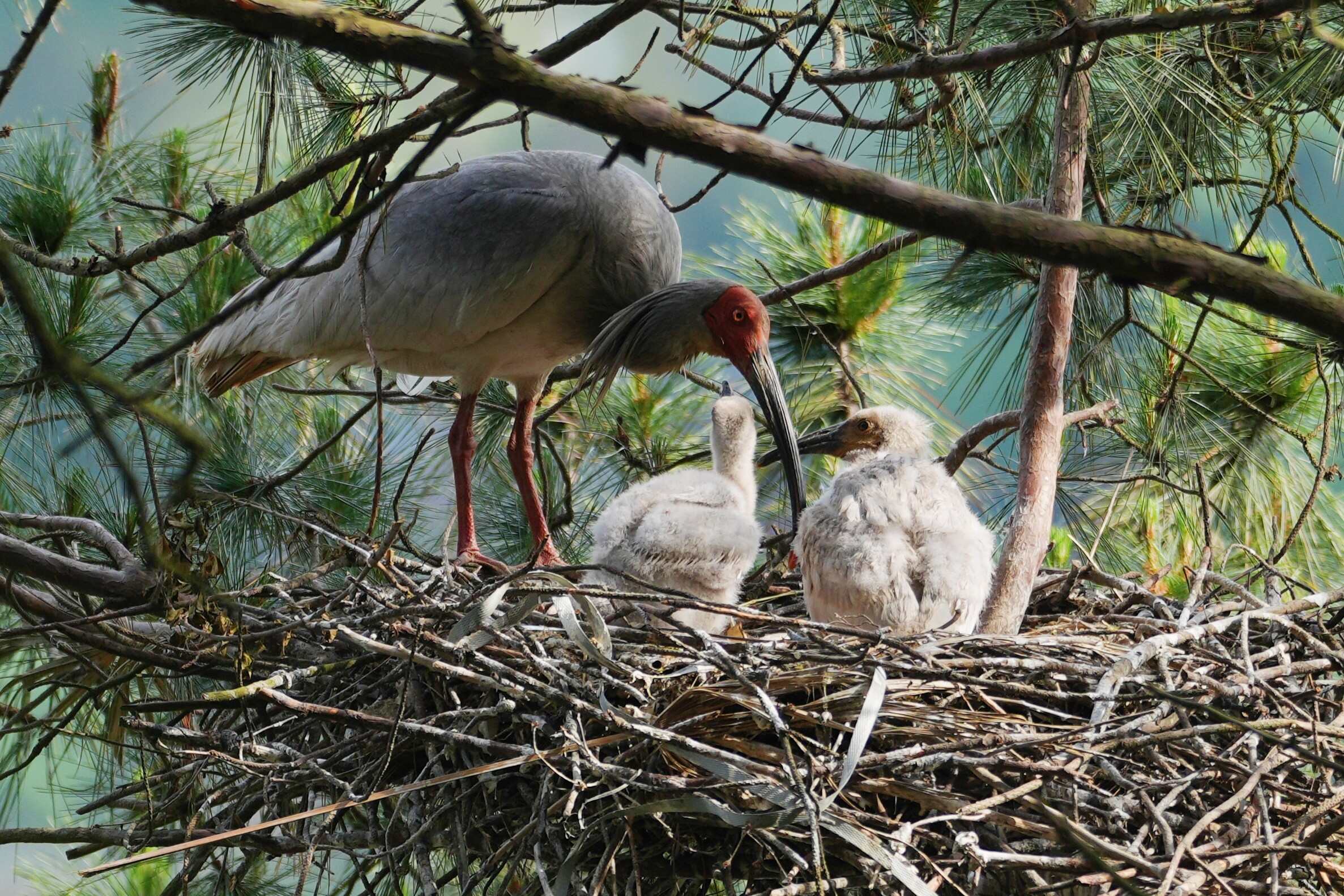
Forty-five years ago, scientists found the world’s last seven wild crested ibises in China’s northwestern Shaanxi province.
Fast forward to the end of 2025. The long-legged bird’s population worldwide had reached more than 12,000.
The species’ status has also been lowered from “Critically Endangered” to “Endangered” on the International Union for Conservation of Nature (IUCN) Red List.
In the past, the crested ibis lived all over East Asia. But environmental changes and human activity caused almost all of them to die out in the wild.
Li Jie is the deputy head of the Yangxian county government in Shaanxi province. He said China had “strict ecological protection rules”, banning hunting, logging, pesticides and fertilisers, land clearance and blasting.
Today, the crested ibis can be found across the Yangtze River and Yellow River. To grow the bird population, 300 birds were sent to different parts of China, Japan and South Korea.