

YoungPost Club Learn
DOWNLOAD OUR APP
appstoregoogleplay
FIND US AT
My JourneyMy Vocabulary BuilderMy Leaderboard
My AccountSearchFAQAbout UsContact Us
Subscription Plan
School Subscription
YOUNG POST
NewsTrendingBeing wellLearning zoneShare with usQuizzes
SPARK
NewsTrendingBeing wellLearning zoneShare with usQuizzes
POSTIES
Big readEye on the newsHa-ha-happeningsThings to doYour saySteam studioHealth and happinessQuizzes
Subscribe to Young Post Club to access our great content
ABOUT US|CONTACT US|WRITE FOR US|PRIVACY POLICY|TERMS & CONDITIONS
©2026 Young Post Club. All rights reserved.
My Journey Hello
Brand Avatar
Young Post
My Journey illustration

With a subscription, you can answer quizzes and track your reading progress.

result
Learn new words with our vocabulary challenge!
My Journey illustration

With a subscription, you can answer quizzes and track your reading progress.

result
Learn new words with our vocabulary challenge!
My Journey illustration

With a subscription, you can answer quizzes and track your reading progress.

Read / Eye on the news

Tibetan cooperative keeps centuries-old weaving tradition alive

Founded in 2008 by artisan Pasang, the cooperative employs more than 100 people, including some with disabilities
byAssociated Press
Published: 11:30pm, 23 Aug 2026
Length: 220 words
Tibetan cooperative keeps centuries-old weaving tradition alive

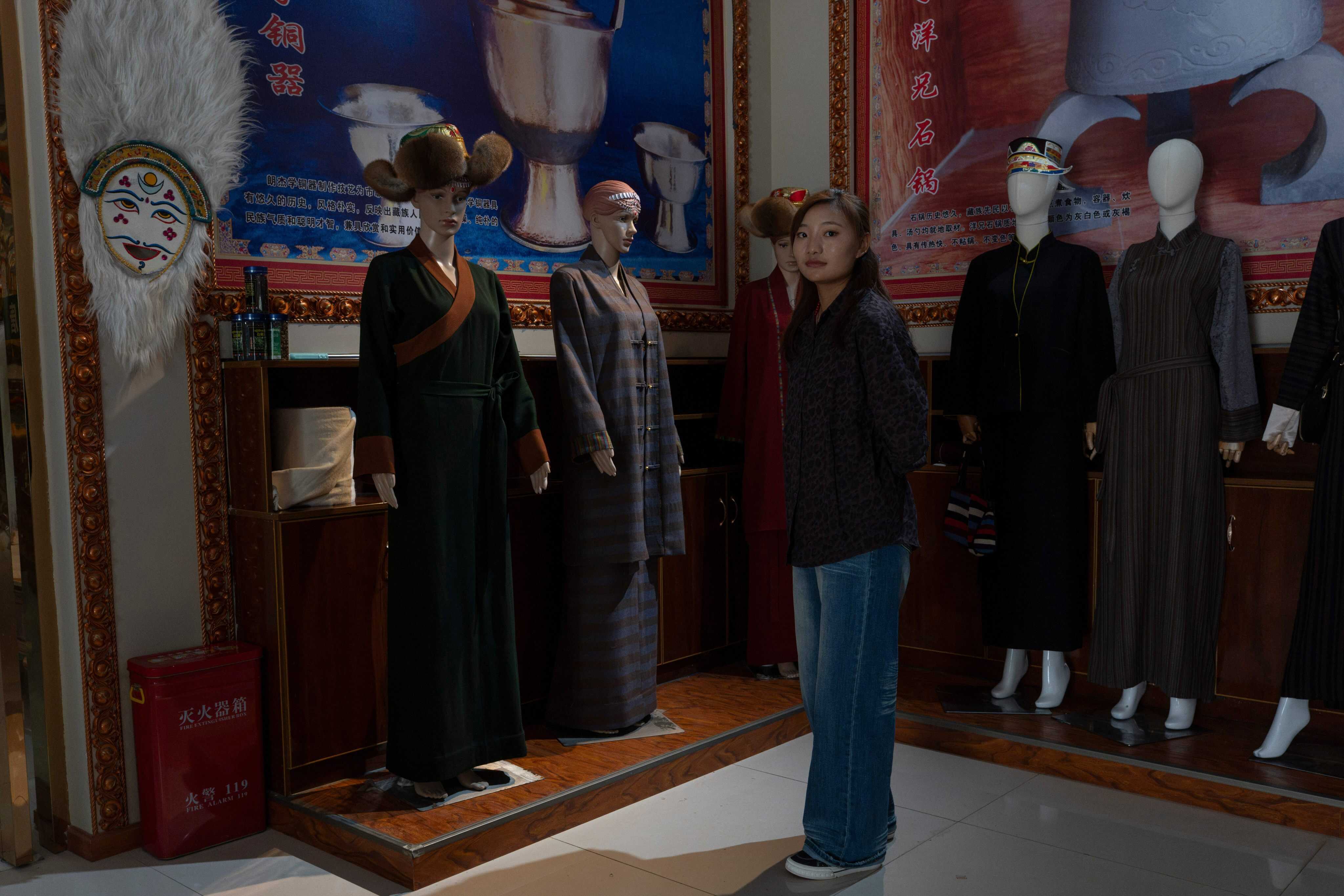
A worker stands near items at the Ethnic Huaji Handwoven Cooperative in Shannan, in western China’s Tibet Autonomous Region. Photo: AP

Difficulty: Summiteer (Level 3)

More than a dozen men and women sit at wooden looms, sliding shuttles through rows of wool yarn before pulling each thread tight. They repeat it again and again as they weave Pulu, the traditional woollen fabric that has clothed people on the Tibetan plateau for centuries.

They work at the Ethnic Huaji Handwoven Cooperative in Shannan, where artisans are trying to preserve one of Tibet’s oldest weaving traditions while creating jobs for local residents.

Founded in 2008 by Tibetan artisan Pasang, the cooperative employs more than 100 people, including some with disabilities. It teaches younger Tibetans a craft that Pasang feared was disappearing.

The cooperative specialises in Zeter, a finer variety of Pulu made from especially soft wool from the necks and backs of sheep.

Pasang said he learned the craft from his parents. At the time, fewer than 10 people still knew how to weave Zeter.

He added that the craft has been recognised as part of China’s national intangible cultural heritage. Pasang said that he hopes younger generations will continue practising it.
IN THIS ARTICLE
China
Art
KEEP READING
cover
Eye on the news
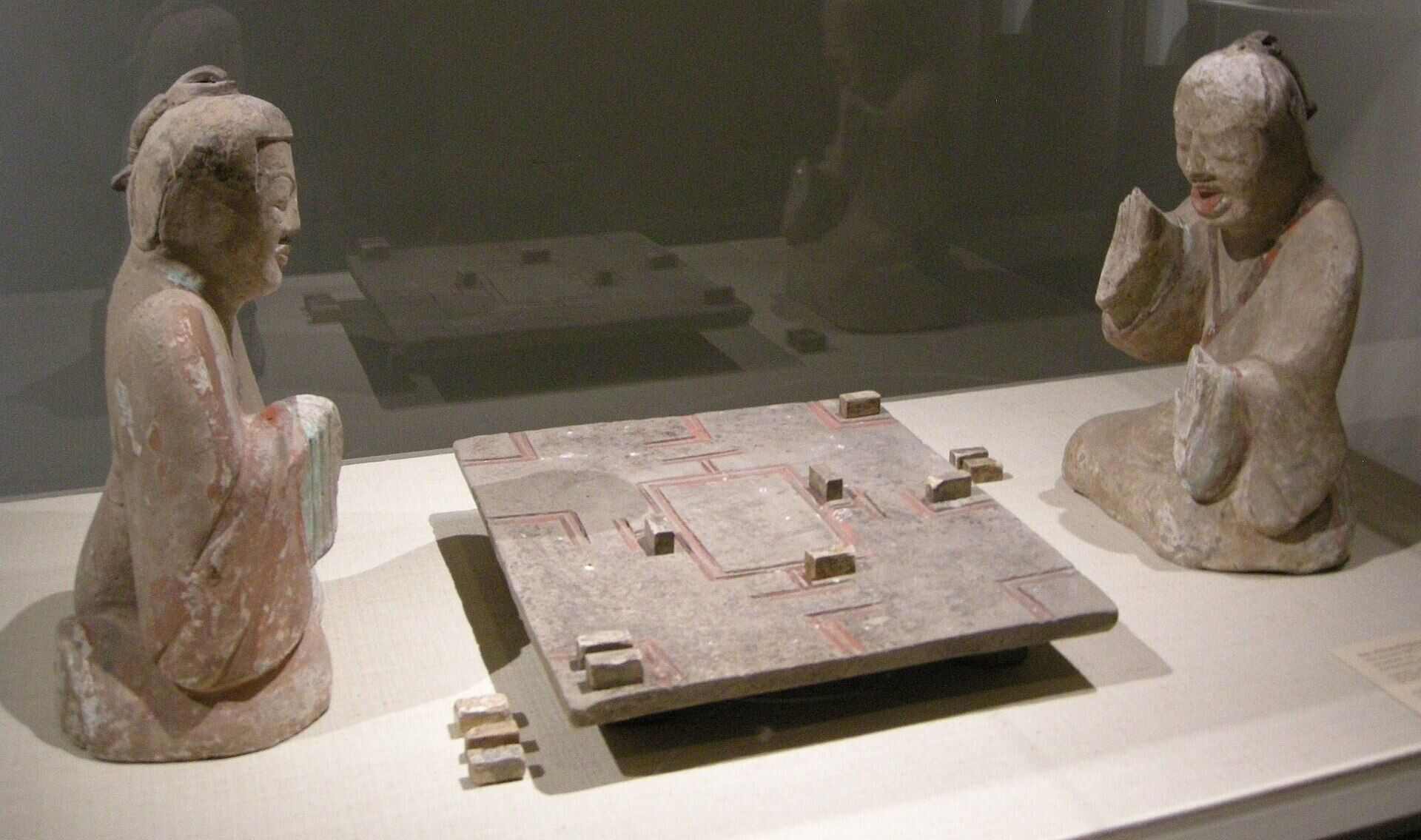
Chinese scientists unearth 2,000-year-old version of chess
02 Aug 2026
cover
Eye on the news
RedNote sparks tourism boom at China’s picturesque spots
26 Jul 2026
cover
Eye on the news
Chinese artist crafts stunning aluminium figurine for Year of the Horse
15 Feb 2026