YoungPost Club Learn
DOWNLOAD OUR APP
appstoregoogleplay
FIND US AT
My JourneyMy Vocabulary BuilderMy Leaderboard
My AccountSearchFAQAbout UsContact Us
Subscription Plan
School Subscription
YOUNG POST
NewsTrendingBeing wellLearning zoneShare with usQuizzes
SPARK
NewsTrendingBeing wellLearning zoneShare with usQuizzes
POSTIES
Big readEye on the newsHa-ha-happeningsThings to doYour saySteam studioHealth and happinessQuizzes
Subscribe to Young Post Club to access our great content
ABOUT US|CONTACT US|WRITE FOR US|PRIVACY POLICY|TERMS & CONDITIONS
©2026 Young Post Club. All rights reserved.
My Journey Hello
Brand Avatar
Young Post
My Journey illustration

With a subscription, you can answer quizzes and track your reading progress.

result
Learn new words with our vocabulary challenge!
My Journey illustration

With a subscription, you can answer quizzes and track your reading progress.

result
Learn new words with our vocabulary challenge!
My Journey illustration

With a subscription, you can answer quizzes and track your reading progress.

Read / Eye on the news

China’s Dongba script: the only hieroglyphic system still used today

Form of writing, dating back more than 1,000 years, uses pictures and symbols instead of letters
bySCMP
Published: 11:30pm, 30 Aug 2026
Length: 199 words
China’s Dongba script: the only hieroglyphic system still used today

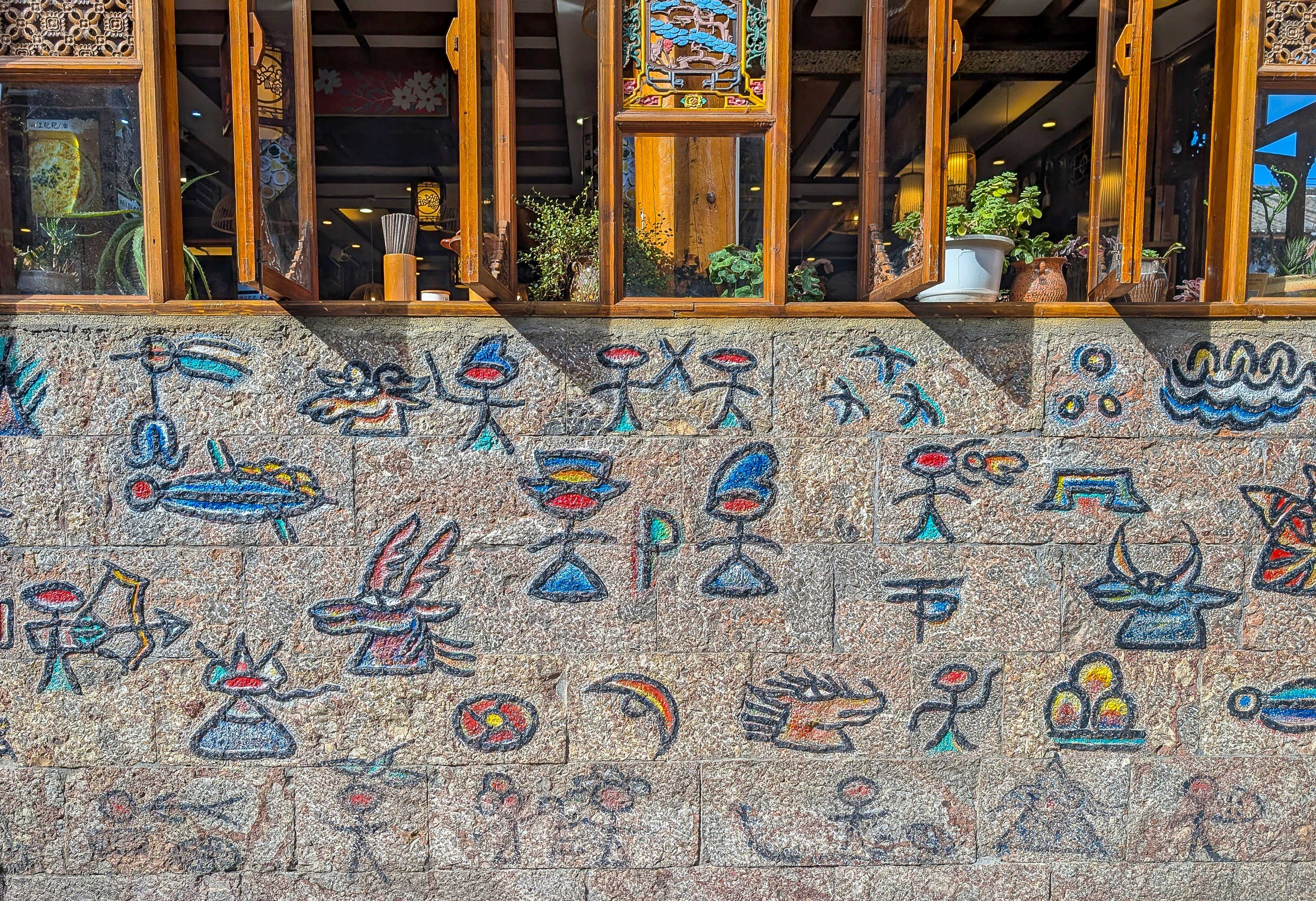
A wall of Dongba script in the Old Town of Lijiang. Photo: Lisa Cam

Difficulty: Summiteer (Level 3)

Stepping into the Old Town of Lijiang, a city in China’s Yunnan province, feels like entering the set of a Chinese period drama.

The Old Town is a thriving shopping district. And if you pay attention to the signage, you will see drawings underneath almost all of them.

This is not graffiti – it is Dongba script. It is the only hieroglyphic script still in use today. It uses pictures and symbols instead of letters.

Dongba is the traditional religion, culture and priestly class of the Naxi ethnic group. Most live in Lijiang. Others are spread across parts of Yunnan, Sichuan and Tibet.

The Dongba script traces its roots back over 1,000 years, with scholars estimating its origins between the seventh and 10th centuries during the Tang and Song dynasties.

Created by Naxi shamans for sacred rituals, these pictographs survived for centuries in Yunnan’s isolated canyons, drawn on countless religious manuscripts over the generations.


IN THIS ARTICLE
China
KEEP READING
cover
Eye on the news
China fossil shows internal organs of prehistoric marine reptile
16 Aug 2026
cover
Eye on the news
Extreme weather preparation in China
09 Aug 2026
cover
Eye on the news
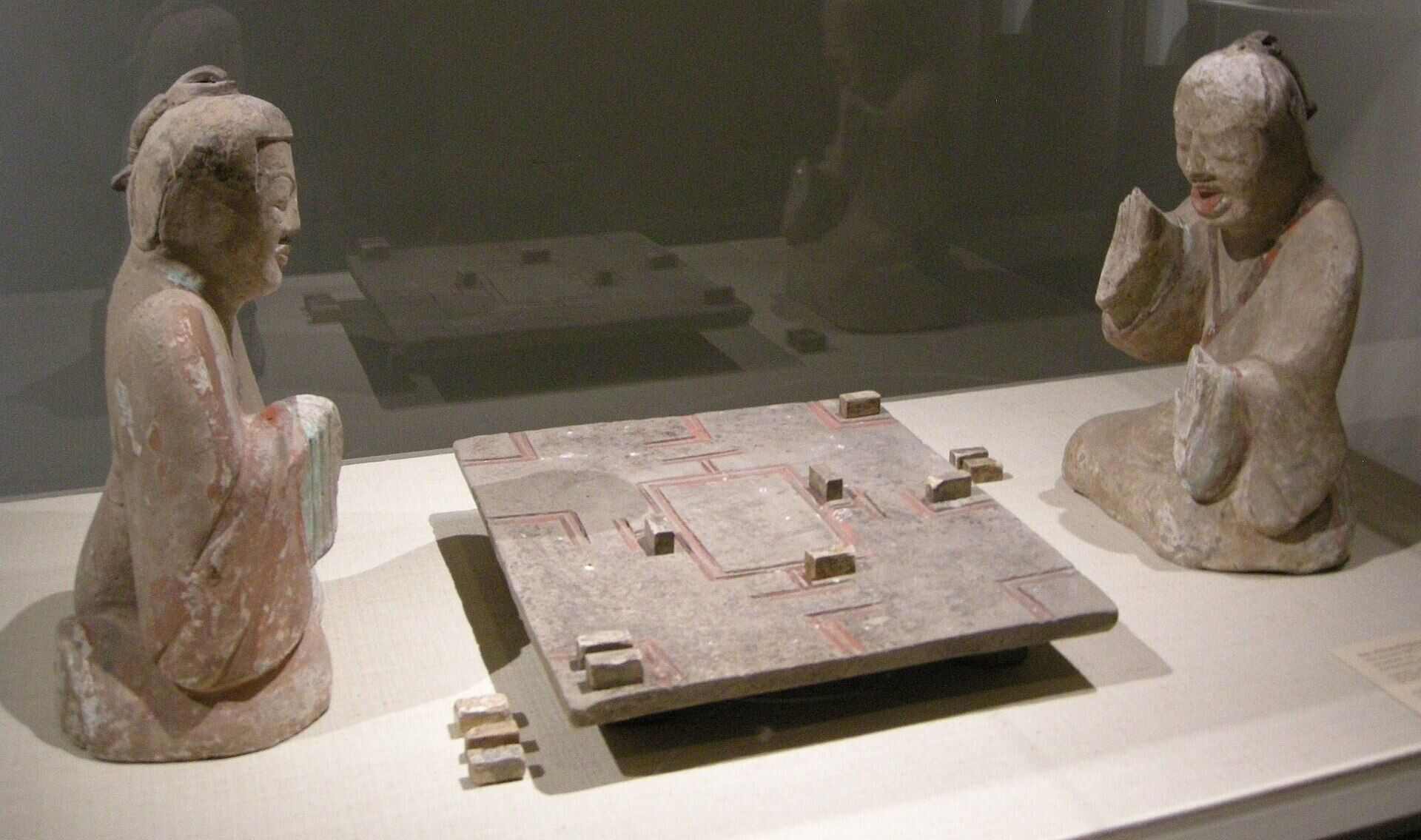
Chinese scientists unearth 2,000-year-old version of chess
02 Aug 2026