Difficulty: Explorer (Level 1)
Newspapers can seem scary. But if you know how they work, you can learn a lot about the world.
Understand the structure
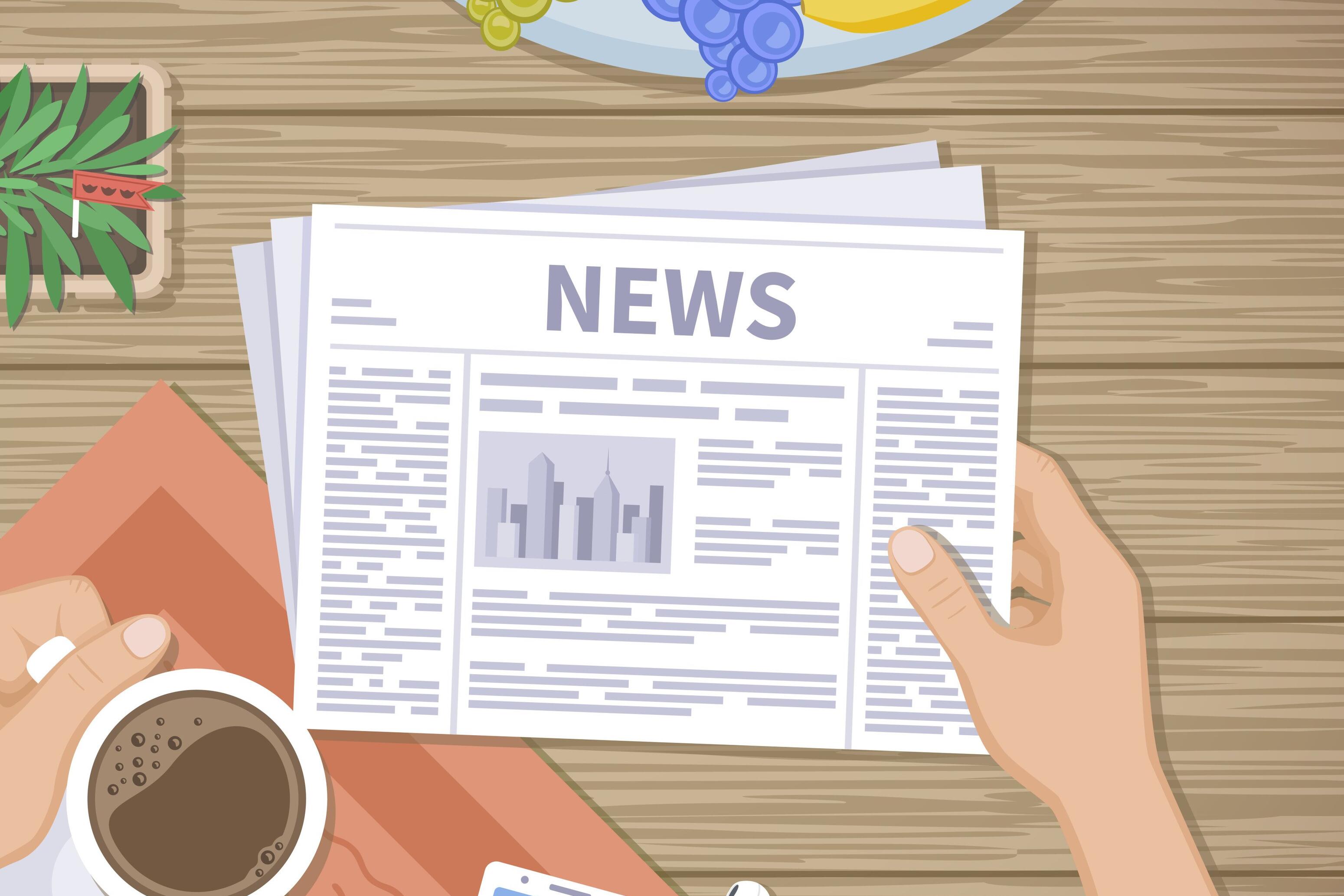
Articles usually have a big headline at the top. Sometimes, this is followed by a sub-headline. This gives a short summary of the story. The body follows with more details.
Longer articles might be broken into sections. This helps you understand the most important information.
What to focus on
Look first at headlines on the front page or homepage of a news website. These give you an idea of the major stories. If one interests you, read the sub-headline and the body for more details.
To build your reading skills or understand current events, read each page in detail. But sometimes, it is helpful to skim and scan. To skim, quickly look over the text for the main ideas. Then, scan for specific information such as names and places.
Different types of stories
In Posties, our “Eye on the News” section tells you about current events. In most stories, the first paragraph is a “lede”. It tells you the most important information.
Then, the next paragraphs will give more details. Usually, it will answer the “5W” questions. Who is involved? Why does this matter? When is it happening? What are the details? Where is this happening?
Feature stories are a bit different. They discuss the news from the view of an interesting person or group. Posties’ “Big Read” section has feature stories. The first few paragraphs are the “lede”. These usually have the most interesting details to attract the reader.
-
Who is involved?
-
Why does this matter?
-
When is it happening?
-
What are the details?
-
Where is this happening?
Feature stories are a bit different. They talk about the news from the point of view of an interesting person or group. In Posties, the Big Read section usually has feature stories. The first few paragraphs are the “lede”. These usually have the most interesting details to attract the reader.