YoungPost Club Learn
DOWNLOAD OUR APP
appstoregoogleplay
FIND US AT
My JourneyMy VocabularyMy Leaderboard
My AccountSearchAbout UsContact Us
Subscription Plan
School Subscription
YOUNG POST
NewsTrendingBeing wellLearning zoneShare with usQuizzes
SPARK
NewsTrendingBeing wellLearning zoneShare with usQuizzes
POSTIES
Big readEye on the newsHa-ha-happeningsThings to doYour saySteam studioHealth and happinessQuizzes
Subscribe to Young Post Club to access our great content
ABOUT US|CONTACT US|WRITE FOR US|PRIVACY POLICY|TERMS & CONDITIONS
©2026 Young Post Club. All rights reserved.
My Journey Hello
Brand Avatar
Young Post
My Journey illustration

With a subscription, you can answer quizzes and track your reading progress.

Read / Health and happiness

Advice: I overreacted, and it made me lose a friend

On this page, you’ll find advice from our team of psychologists to help you through all the ups and downs of life
byPosties, Posties readers
Published: 12:15am, 13 Apr 2026
Length: 285 words
Advice: I overreacted, and it made me lose a friend

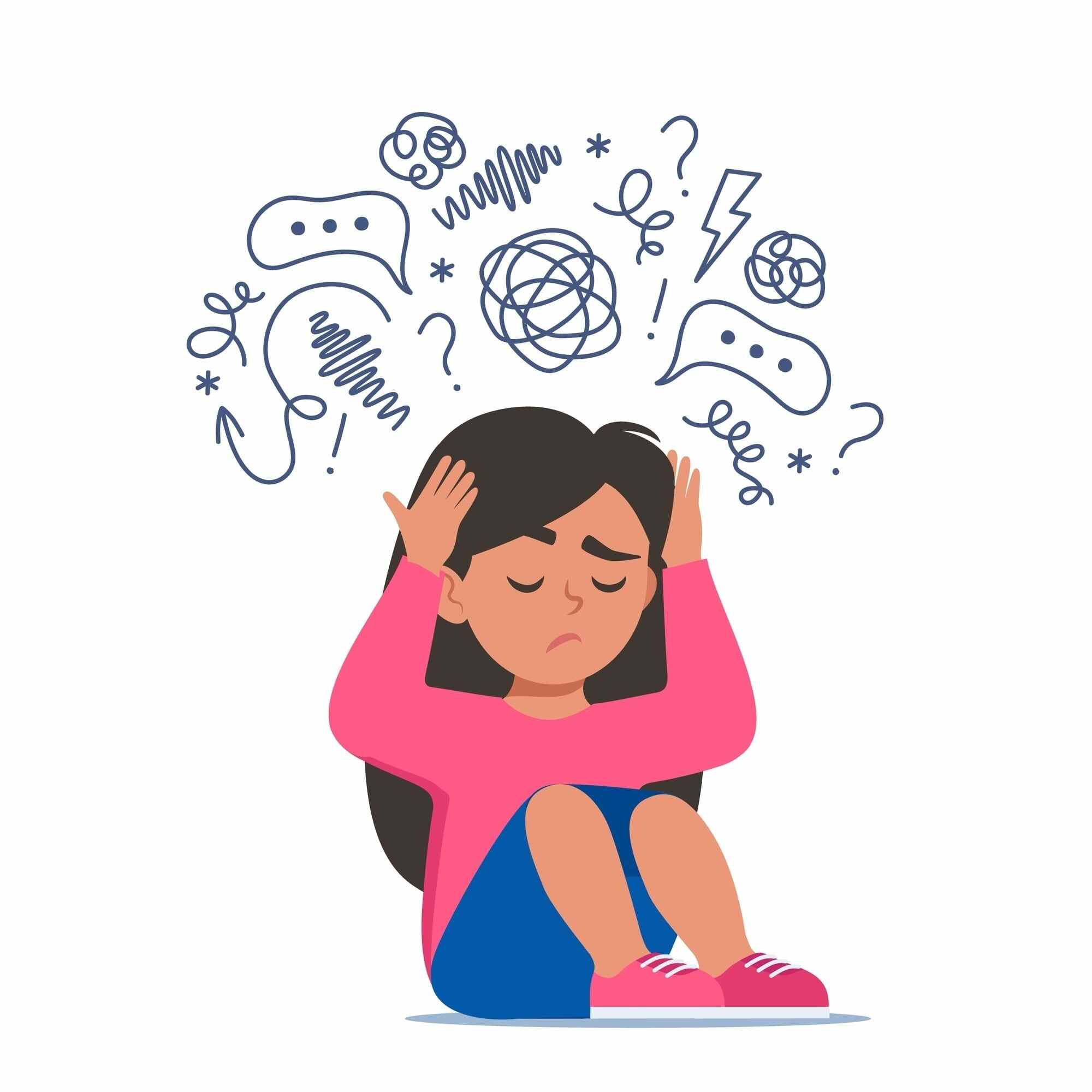
Always imagine the worst? Here is some advice to help. Photo: Shutterstock

Difficulty: Explorer (Level 1)

The habit of assuming the worst and overreacting is known as catastrophising. It is similar to worrying, which we all deal with in different shapes.

To break this habit, you must first notice how you think. Then, try to react in a new way. Over time, you will be able to better control your feelings. This can help stop anxiety from hurting your relationships.

Here are some tips:

  • Notice when you start catastrophising. What is happening at the time that might make you think about the worst things that could happen?

  • Focus on the present moment. Try not to worry about bad things that might happen in the future. Use breathing exercises to relax when you feel anxious.

  • Notice your nervous feelings instead of hiding them. Understand that they will pass quickly, and be kind to yourself in that moment.

  • Try to think about a situation in different ways. You can discuss your fears with someone you trust and ask them what they think.

  • Pick a special time each day just for worrying. This might seem strange, but it works well for some people.

If you still feel very worried after trying these tips, talk to a mental health professional. They can give you personal advice to help with your anxiety.

This question was answered by Andrew Stock, a clinical psychologist and founding partner at Therapy Partners
IN THIS ARTICLE
From our readers
Feelings
Friendship

KEEP READING
cover
Health and happiness
Advice: I eat lunch alone and I hide it from my parents
06 Apr 2026
cover
Health and happiness
Advice: I saw an older student’s mean side, and now I’m afraid of them
23 Mar 2026
cover
Health and happiness
Advice: I overheard my parents say we’re moving countries, but I don’t want to
16 Mar 2026