YoungPost Club Learn
DOWNLOAD OUR APP
appstoregoogleplay
FIND US AT
My JourneyMy VocabularyMy Leaderboard
My AccountSearchAbout UsContact Us
Subscription Plan
School Subscription
YOUNG POST
NewsTrendingBeing wellLearning zoneShare with usQuizzes
SPARK
NewsTrendingBeing wellLearning zoneShare with usQuizzes
POSTIES
Big readEye on the newsHa-ha-happeningsThings to doYour saySteam studioHealth and happinessQuizzes
Subscribe to Young Post Club to access our great content
ABOUT US|CONTACT US|WRITE FOR US|PRIVACY POLICY|TERMS & CONDITIONS
©2025 Young Post Club. All rights reserved.
My Journey Hello
Brand Avatar
Young Post
My Journey illustration

With a subscription, you can answer quizzes and track your reading progress.

Read / STEAM studio

Unveiling the T. rex’s diet through fossilised dinosaur poop

Discover the Poozeum’s 7,000+ coprolites, including the largest one ever found from a meat-eating dinosaur.
byAssociated Press, Doris Wai
Published: 10:45pm, 27 Oct 2024
Length: 308 words
Unveiling the T. rex’s diet through fossilised dinosaur poop

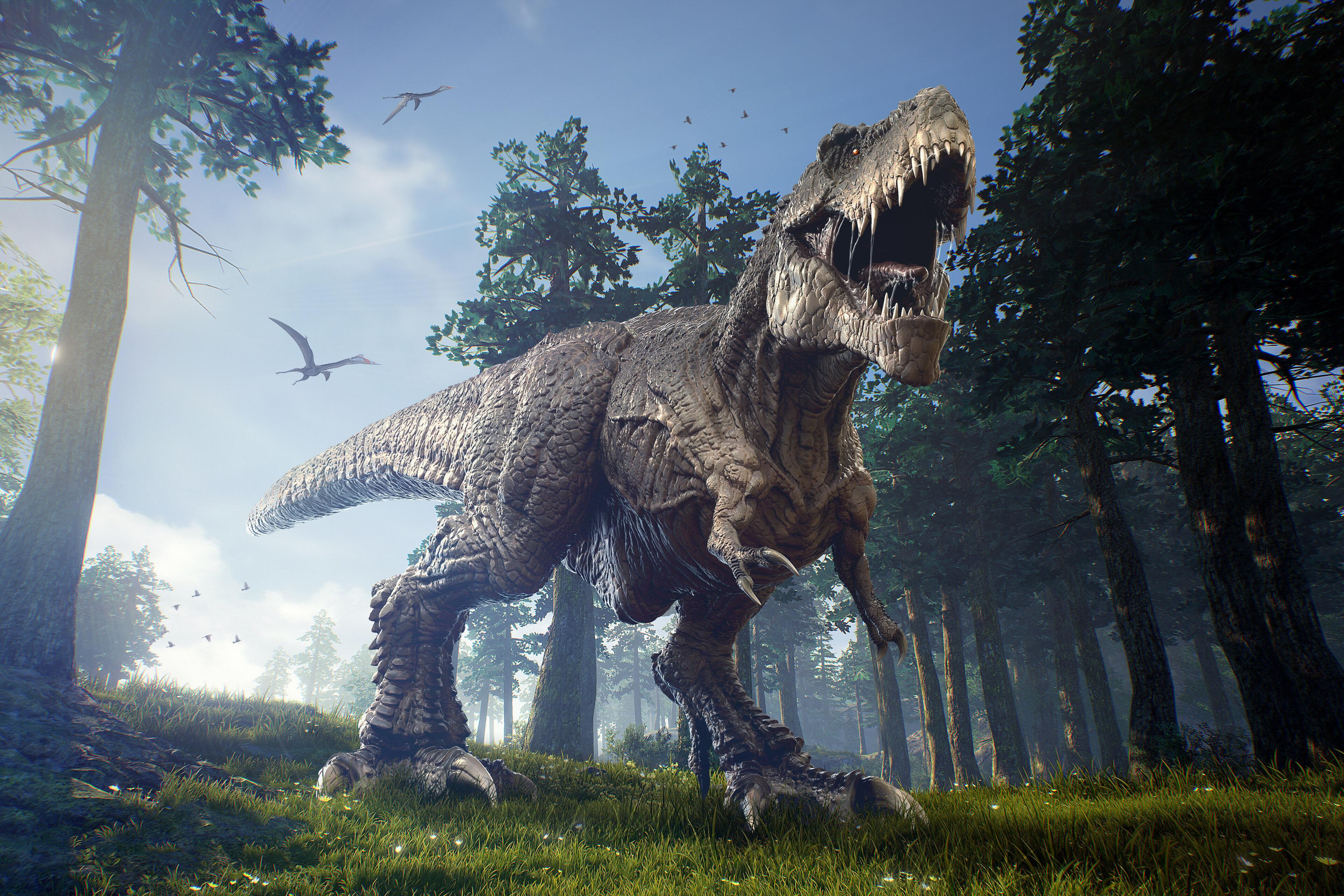
It sounds silly, but studying poop from the T. rex can teach us a lot about what they ate. Photo: Shutterstock

Difficulty: Summiteer (Level 2)

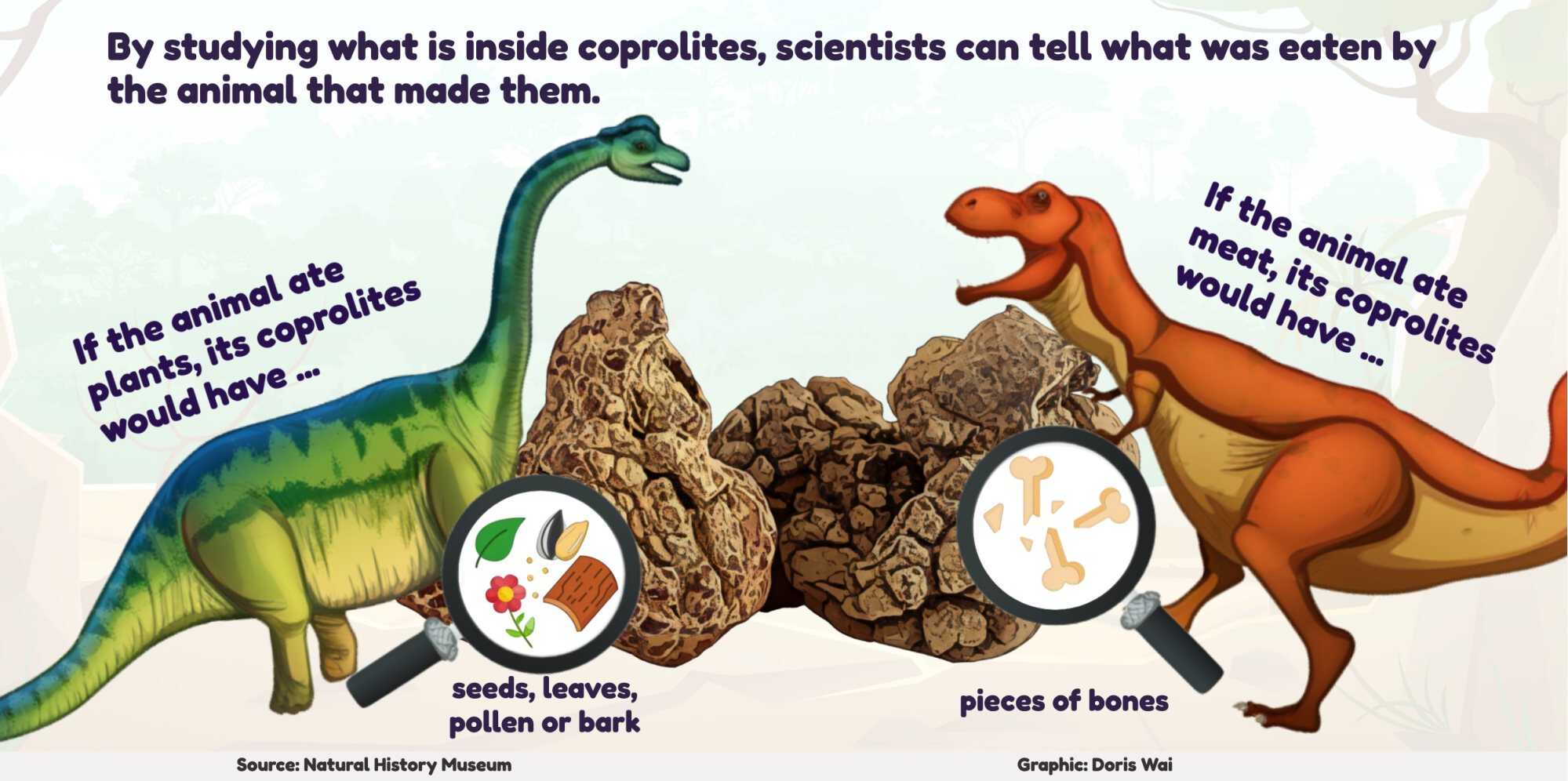
Have you ever wondered what and how the Tyrannosaurus rex ate? Scientists can learn a lot about its diet by studying its poop (see graphic).

Pieces of bones found in fossilised dinosaur poop at a museum in Arizona called the Poozeum show that the T. rex probably swallowed its food in big pieces.

The Poozeum opened in May and has more than 7,000 coprolites, fossilised poop, from animals that lived millions of years ago. Some are like termite droppings, while others weigh as much as 9kg.

The president and curator of the Poozeum, George Frandsen, is an expert in the field. He said he bought his first chunk of coprolite when he was 18. “It was funny. It was gross,” he said. “But I learned very quickly it could tell us so much about our prehistoric past and how important they are to the fossil record.”
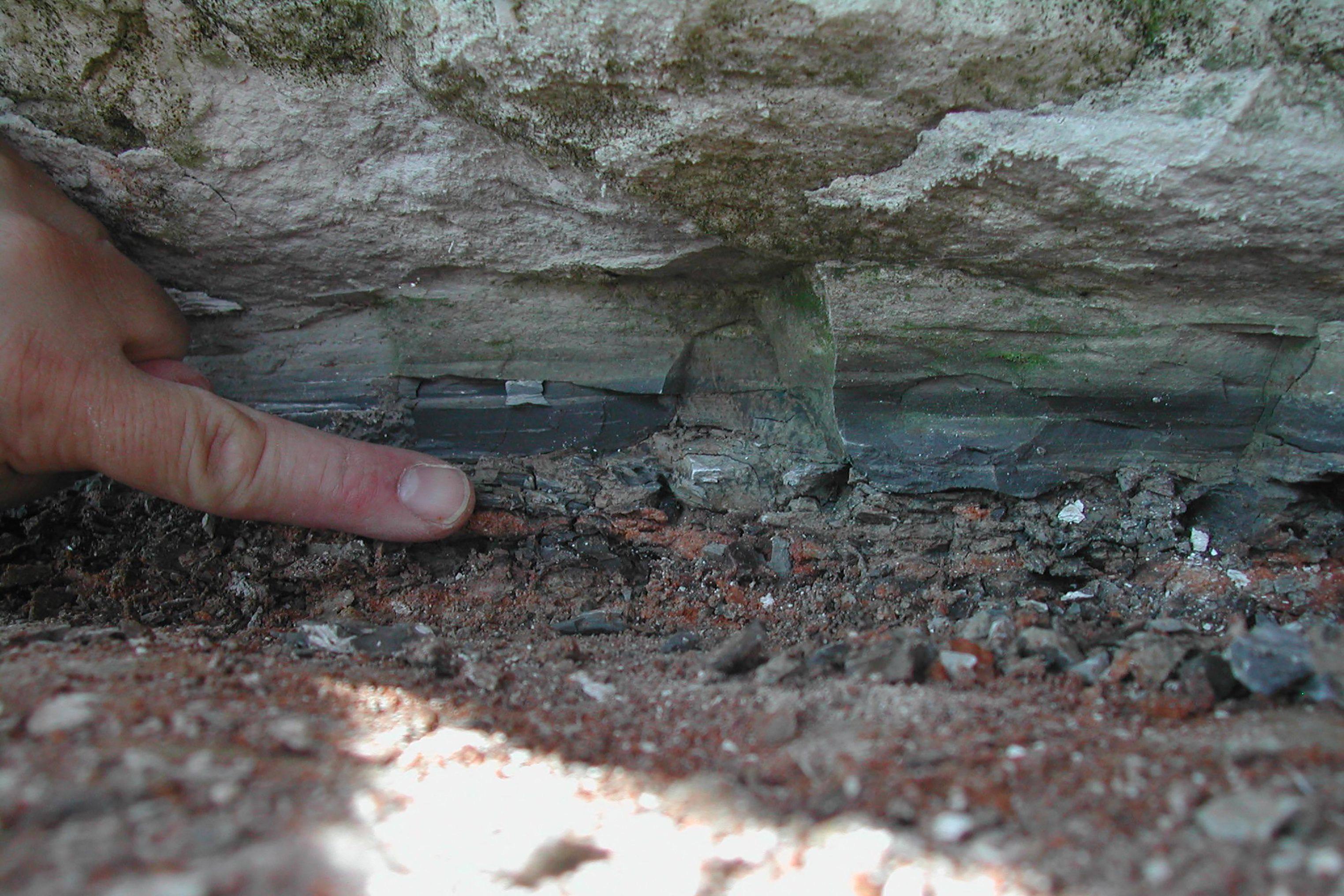
Frandsen said there is no need to worry about smells or germs. Those evaporated millions of years ago when the poop got covered by dirt and rocks, and replaced by minerals, making them hard as rock.

The museum also has a coprolite with a Guinness World Record for being the biggest poop ever found from a meat-eating dinosaur. It is more than 61cm long and over 15cm wide. Frandsen said it is believed to be from a T. rex because it was found where the species used to live.

Sample answers

Stop and think: It probably swallowed its food in big pieces.

Read and answer: Scientists study dinosaur poop because it helps them learn more about what they ate.
IN THIS ARTICLE
Dinosaurs

KEEP READING
cover
Eye on the news
Scientists may have found the origin of the asteroid that wiped out dinosaurs
02 Sep 2024
cover
STEAM studio
Meet the newly-identified dinosaur named after a trickster god
18 Aug 2024
cover
Eye on the news
Dinosaur footprints in China hint at giant raptors that defy Jurassic Park depictions
19 May 2024