Difficulty: Challenger (Level 2)
From blue crisps to blue candies that colour your tongue, this shade of snacks is popular online. But in nature, blue food is rare.
Food manufacturers use chemicals to dye foods blue. However, these can have negative side effects on humans.
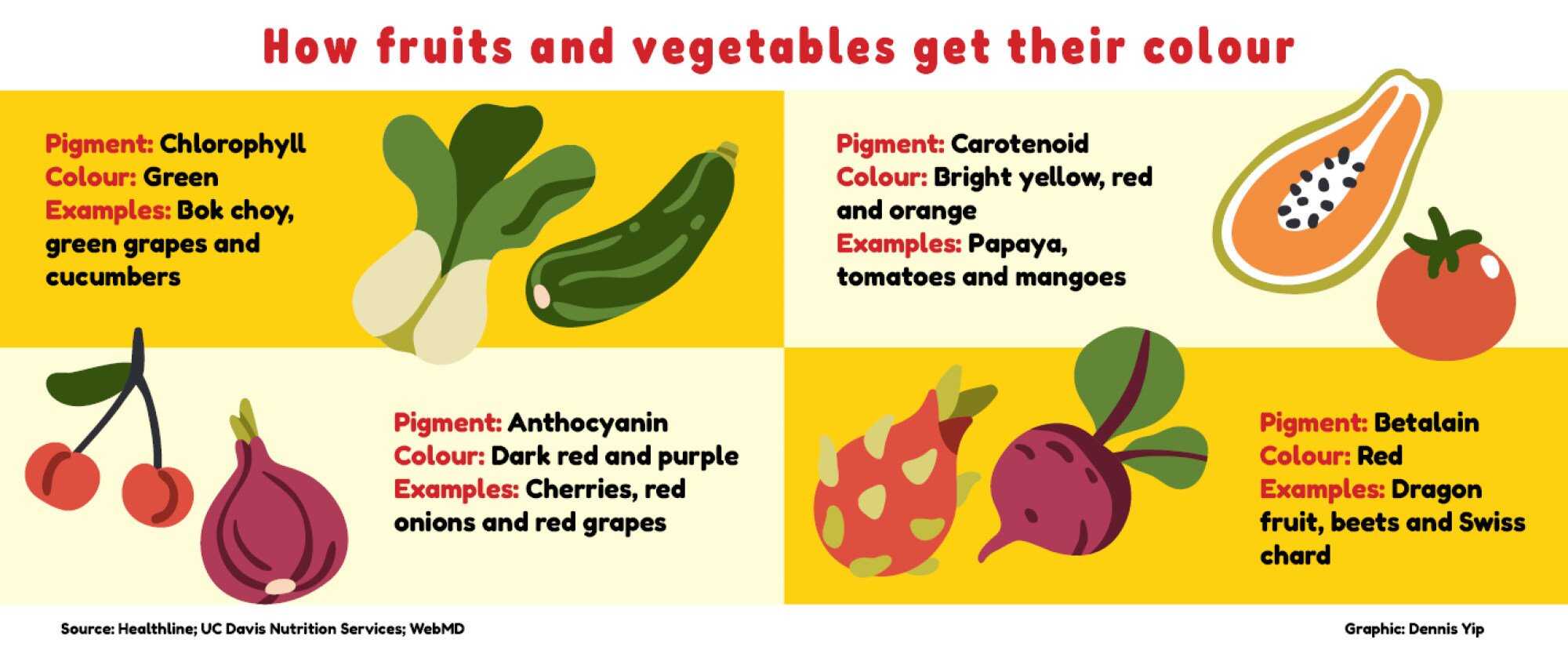
Many plants are typically naturally coloured by four groups of pigments that give them their colour: yellow-orange carotenoids, red-purple anthocyanins, red betalains and green chlorophyll (see graphic).
So, why is blue food so rare in nature? There are no known chemicals that make plants and animals an actual blue colour. Most flowers or plants that appear blue are actually a mix of different pigments.
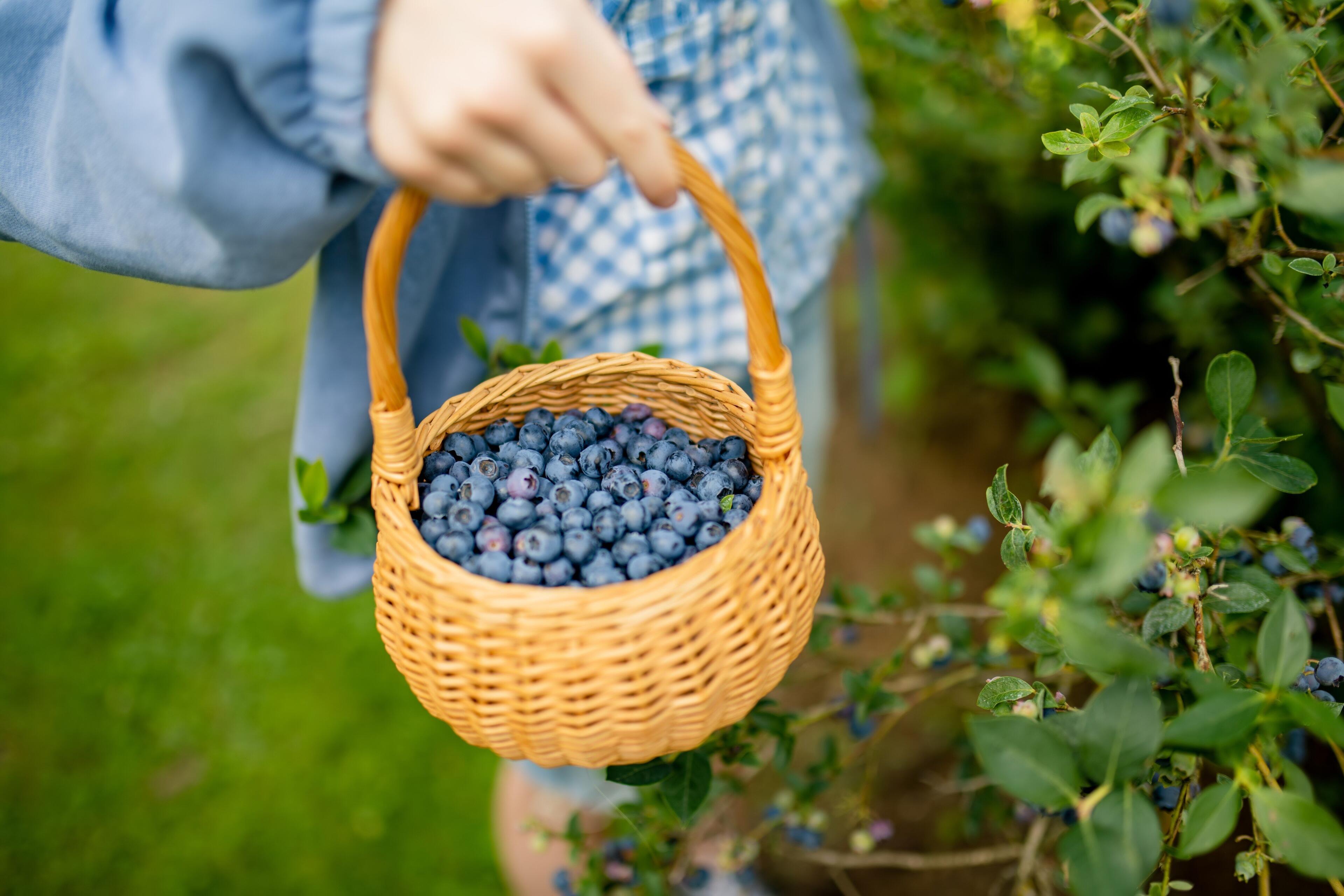
Blueberries are often cited as an example of blue fruit, but they don’t contain any blue pigments. If you’ve ever mashed a blueberry, you might have noticed that they are dark red inside.
A study by the University of Bristol shows how blueberries appear blue by tricking our eyes. The skin of blueberries is covered in a waxy coat called bloom. It is mainly used to prevent them from losing water.
Scientists looked closer at the thin coat and found tiny crystals that scatter blue and UV (ultraviolet) light.
Since human eyes cannot detect UV light, we only see the blue light. Thus, the colour we see is produced by the light reflecting off the waxy coating, not by the blueberry itself. It’s a clever trick of nature.
So, what is the actual colour of blueberries? They contain strong pigments called anthocyanins, which have a deep reddish-purple colour. These pigments are also found in other fruits, such as black currants and black cherries.
Think about it
-
What is the true colour of a blueberry?
-
Why do you think eating fruits and vegetables in many different colours is good?