YoungPost Club Learn
DOWNLOAD OUR APP
appstoregoogleplay
FIND US AT
My JourneyMy VocabularyMy Leaderboard
My AccountSearchAbout UsContact Us
Subscription Plan
School Subscription
YOUNG POST
NewsTrendingBeing wellLearning zoneShare with usQuizzes
SPARK
NewsTrendingBeing wellLearning zoneShare with usQuizzes
POSTIES
Big readEye on the newsHa-ha-happeningsThings to doYour saySteam studioHealth and happinessQuizzes
Subscribe to Young Post Club to access our great content
ABOUT US|CONTACT US|WRITE FOR US|PRIVACY POLICY|TERMS & CONDITIONS
©2025 Young Post Club. All rights reserved.
My Journey Hello
Brand Avatar
Young Post
My Journey illustration

With a subscription, you can answer quizzes and track your reading progress.

Read / STEAM studio

Ancient aquatic origins of echidnas revealed by Australian scientists

The backward feet and diving reflex of the creatures hint at their watery past
byAgence France-Presse, Doris Wai
Published: 10:45pm, 01 Jun 2025
Length: 255 words
Ancient aquatic origins of echidnas revealed by Australian scientists

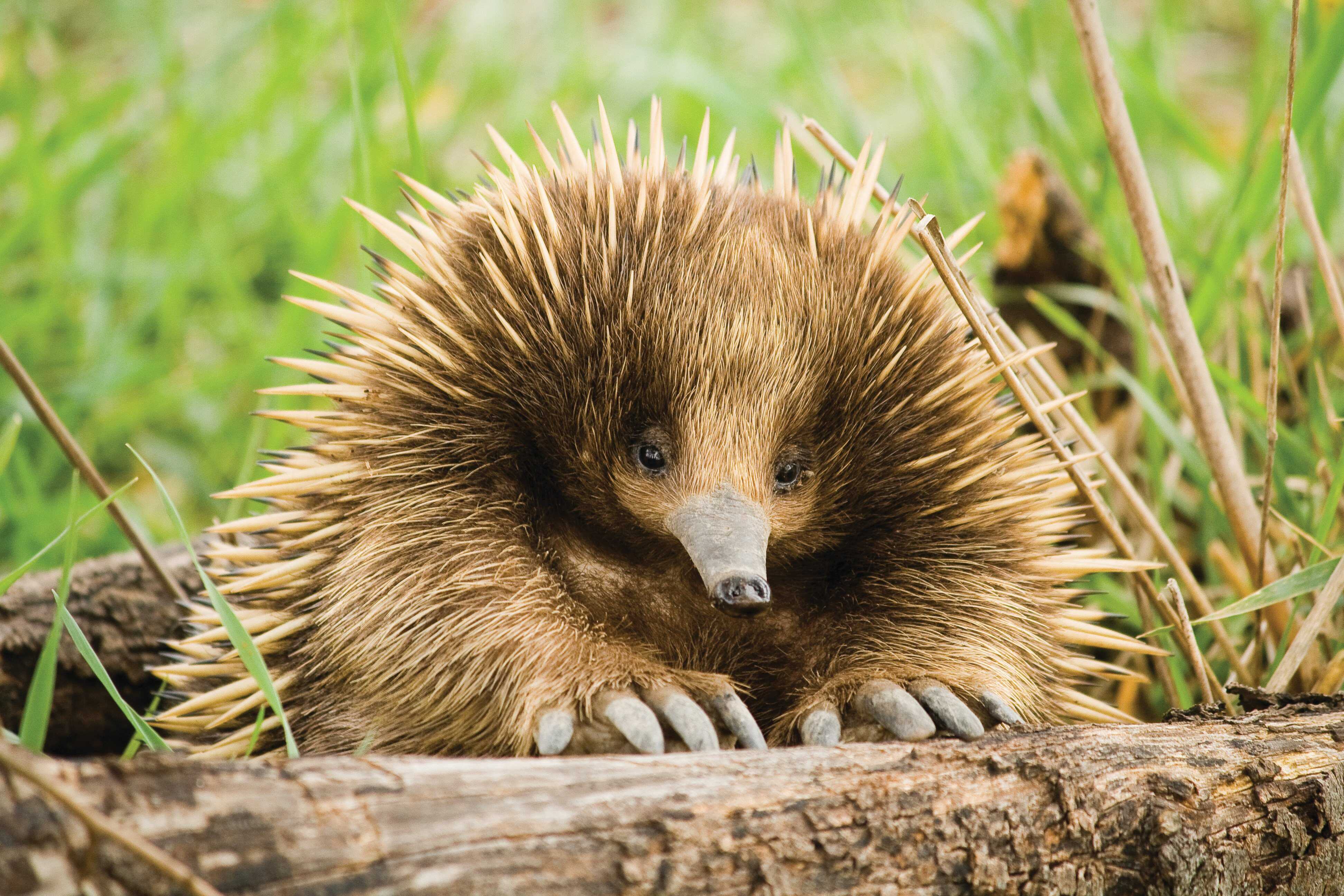
Scientists have revealed echidnas’ aquatic ancestry, explaining that their unique traits, like backward-pointing hind feet and a diving reflex, evolved from their water-dwelling past. Photo: Shutterstock

Difficulty: Challenger (Level 2)

A team of Australian and international scientists believe many of the echidna’s unusual traits were developed millions of years ago when its ancestors lived in the water.

This is based on the results of a study announced in April.

Echidnas and the semi-aquatic platypus are believed to have evolved from a common ancestor called Kryoryctes cadburyi that lived in Australia more than 100 million years ago.

Echidnas and platypuses are monotremes, a rare group of mammals that lay eggs instead of live young.

Palaeontologist Suzanne Hand said that echidnas had fragile bone walls that made it easier to walk on land. Hand is a palaeontologist at the University of New South Wales. This shows that echidnas came from an ancestor living in water but evolved to live on land.
It was far more common for prehistoric mammals to go from land to water, Hand said, pointing towards seals, whales, dolphins and dugongs.

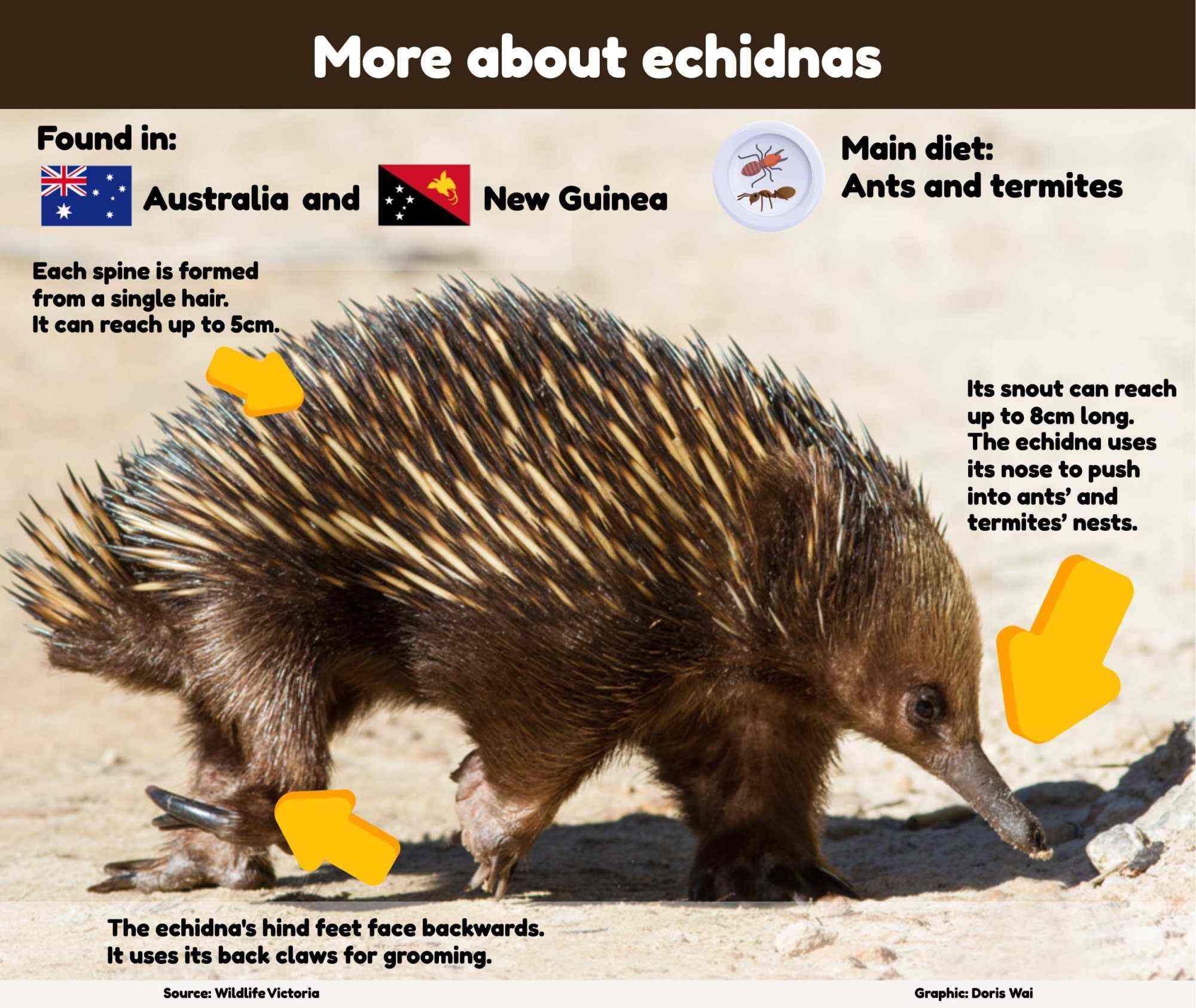
Echidnas have hind feet that point backwards. That helped them move lots of soil when burrowing. Hand said that the echidna’s ancestor might have first used these feet like rudders to move through fast water.

Echidnas also have a “diving reflex” when they go underwater. This tells their body to conserve oxygen to help them hold their breath for longer.

Agence France-Presse

IN THIS ARTICLE
Animals
KEEP READING
cover
Eye on the news
Hundreds of fungi species could go extinct
13 Apr 2025
cover
Big read
Wild origins: discover the fascinating stories behind animal names
03 Nov 2024
cover
Eye on the news
Meet the Chakisaurus, a fast-running herbivore dinosaur
13 May 2024