Difficulty: Challenger (Level 2)
More than 150 conservators and 100 archaeologists have worked for over 10 years to restore thousands of artefacts before the opening of the Grand Egyptian Museum (GEM).
The GEM was supposed to launch on July 3. But it is now expected to open at the end of the year due to regional security concerns.
When it opens, the GEM will be the world’s largest archaeological museum devoted to one civilisation. It will house more than 100,000 artefacts. It will also have a unique feature: a live conservation lab.
Over the next three years, visitors will be able to watch as experts restore a 4,500-year-old boat. It was buried near the tomb of Pharaoh Khufu and was meant to ferry his soul across the sky.
But the star of the museum is King Tutankhamun’s collection of more than 5,000 objects. Many will be displayed together for the first time.
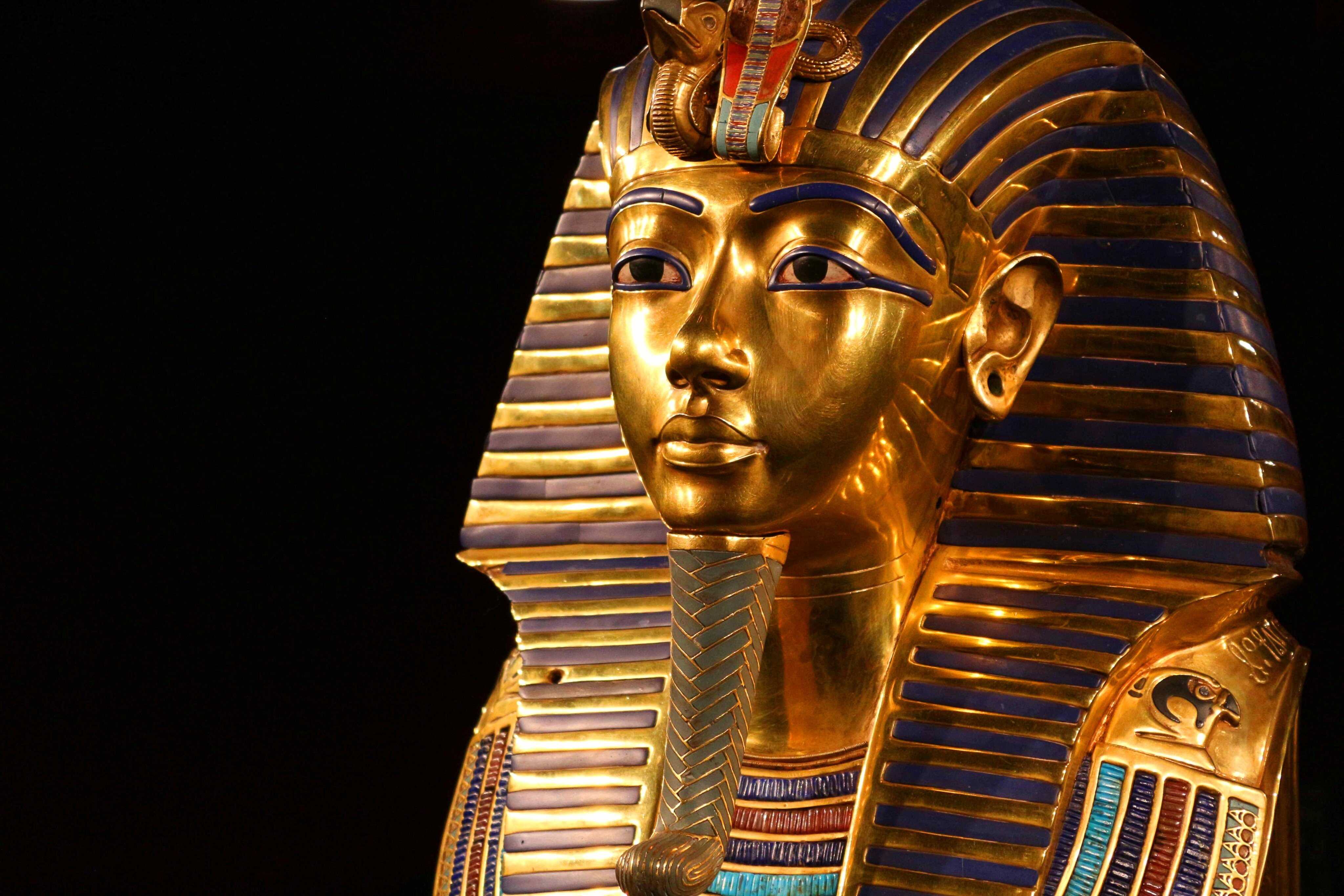
Among them are his golden funeral mask (see graphic), gilded coffins, golden amulets and beaded collars.

Many of these treasures have not been restored since British archaeologist Howard Carter found them in 1922.
The conservation methods used by Carter’s team were meant to protect the objects. But over a century later, they have posed challenges.
Coating gold surfaces in wax “preserved the objects at the time”, said conservator Hind Bayoumi, 39. “But it then hid the very details we want the world to see.”
Bayoumi and her colleagues spent months removing the wax, which trapped dirt and dulled the shine of the gold.