Difficulty: Challenger (Level 2)
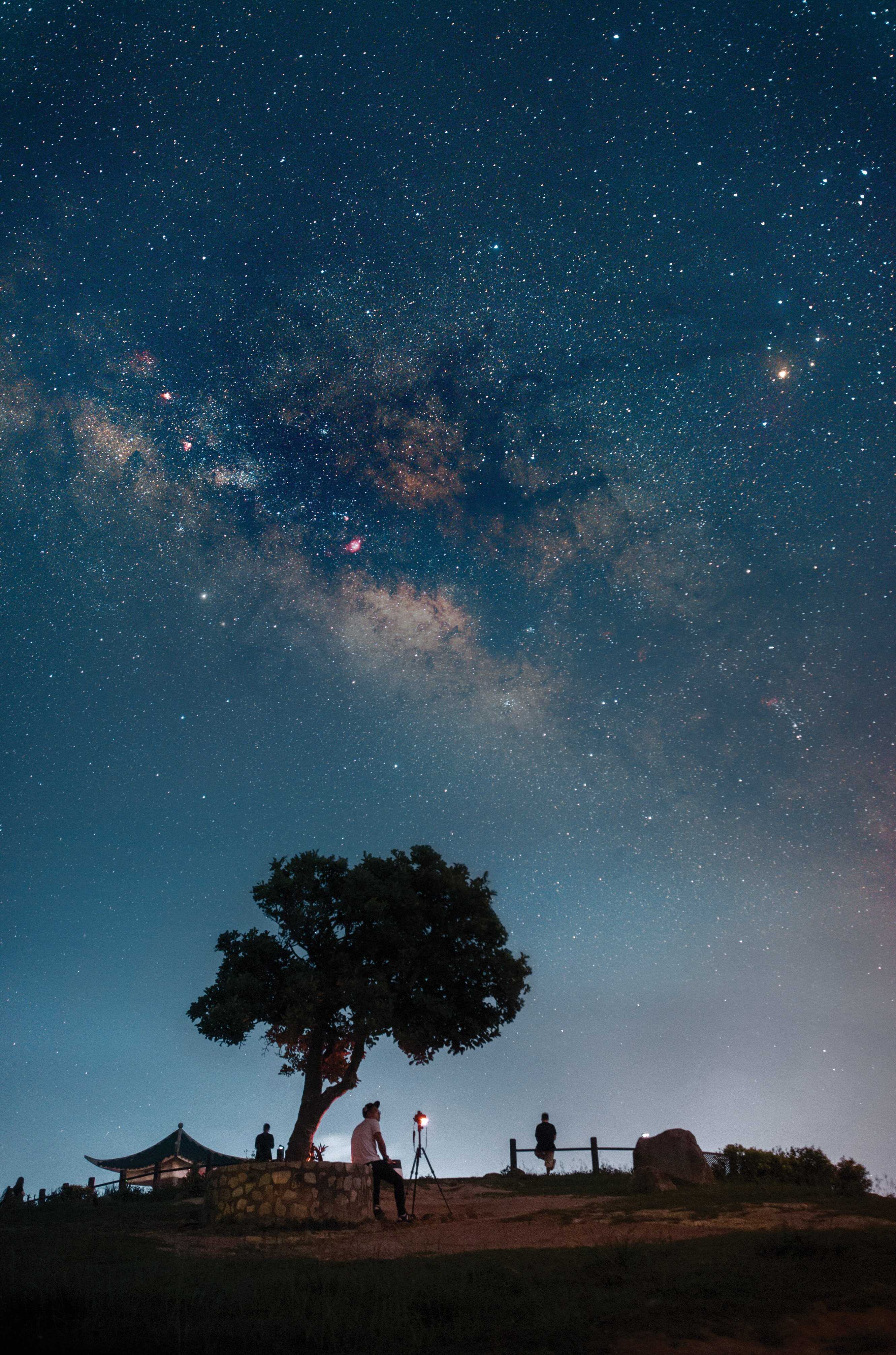
Have you ever looked up at the night sky and wondered why the moon changes shape or why stars seem to fall?
In 2026, there will be opportunities for you to see these thrilling astronomical events in Hong Kong’s night sky.
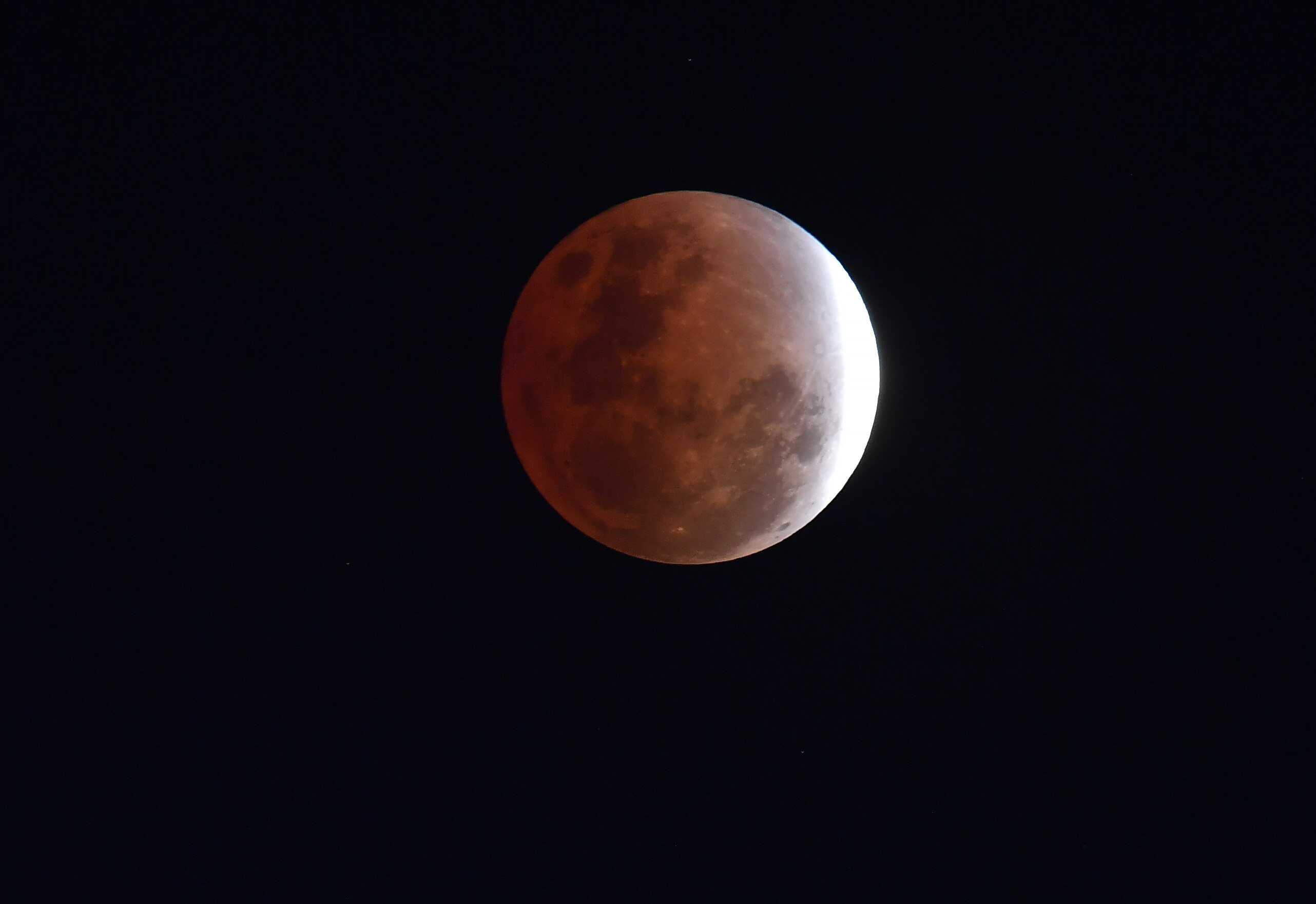
Lunar eclipse
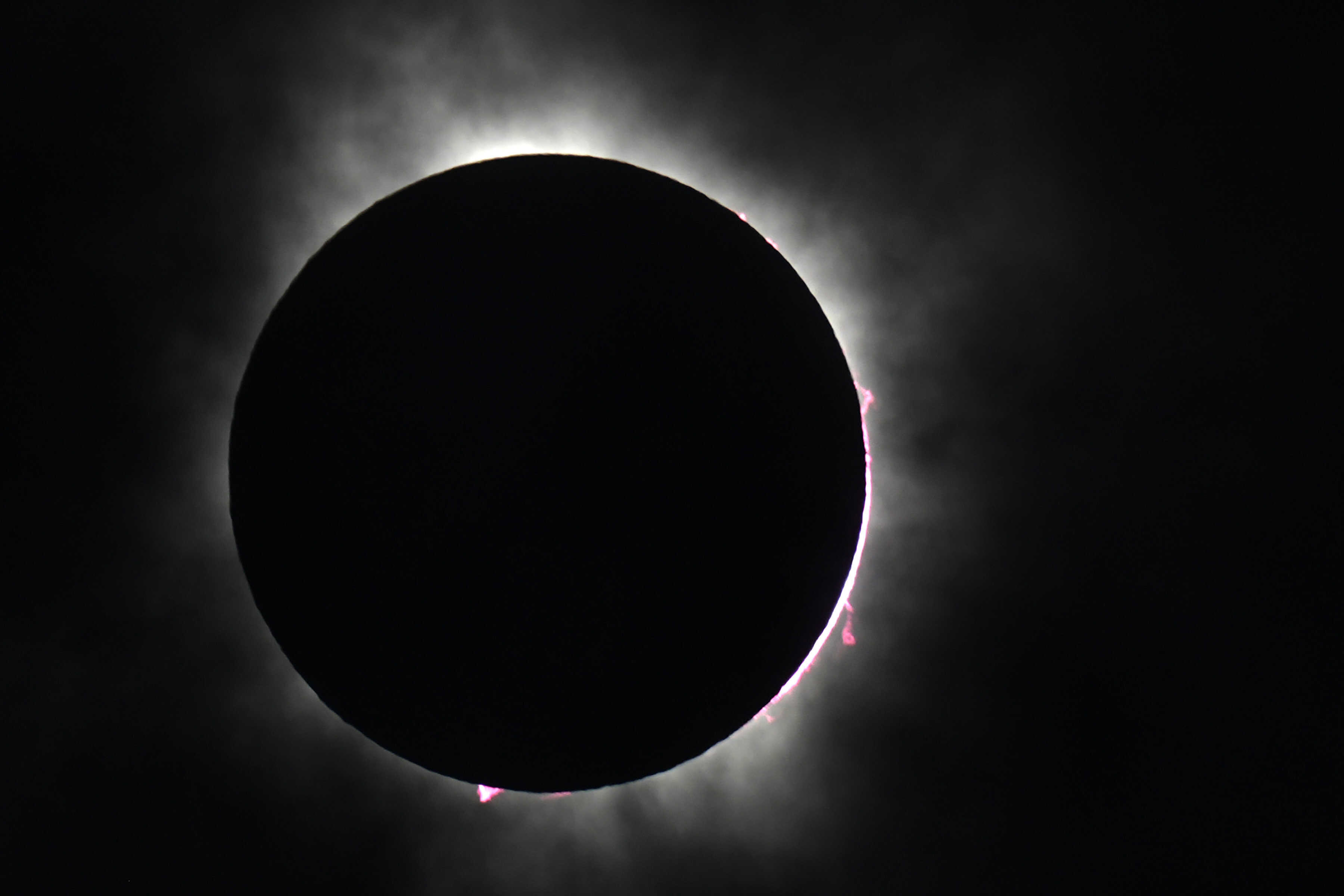
This fascinating event occurs when Earth moves between the sun and the moon, blocking the sun’s light and casting a shadow on the moon.
The moon looks copper-red if it passes completely into Earth’s umbra, which is our planet’s darkest shadow. This is called a total lunar eclipse. When only part of the moon enters that shadow, we get a partial lunar eclipse.
If the moon only passes through Earth’s penumbra – the outer part of its shadow – this is called a penumbral lunar eclipse, and the moon’s brightness dims slightly.
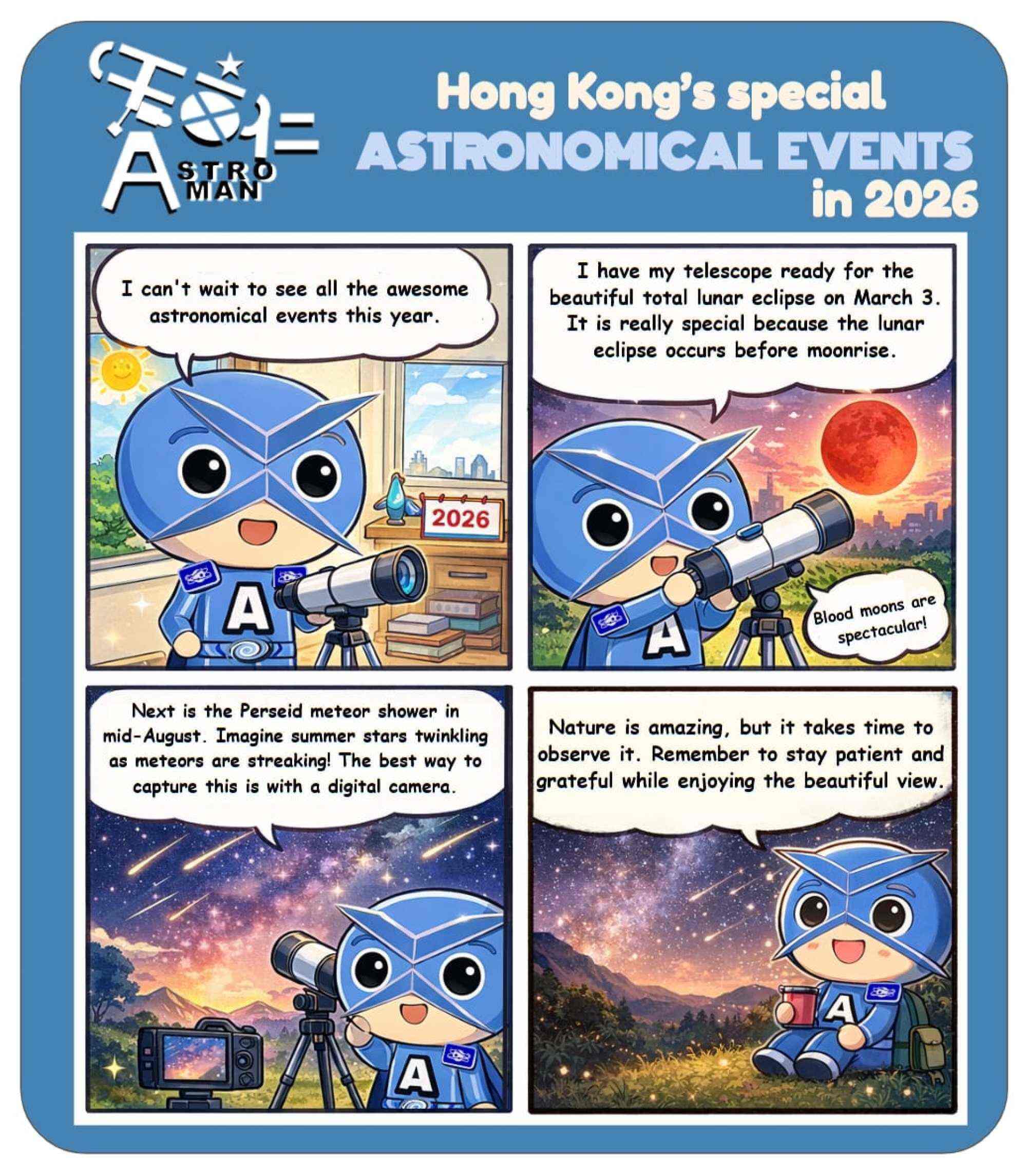
On March 3, the stages of penumbral and partial eclipse will almost occur when the moon is under our visible horizon in Hong Kong. The bloody moon will be visible after the moonrise and will exit the penumbra at 10.25pm.
Meteor shower
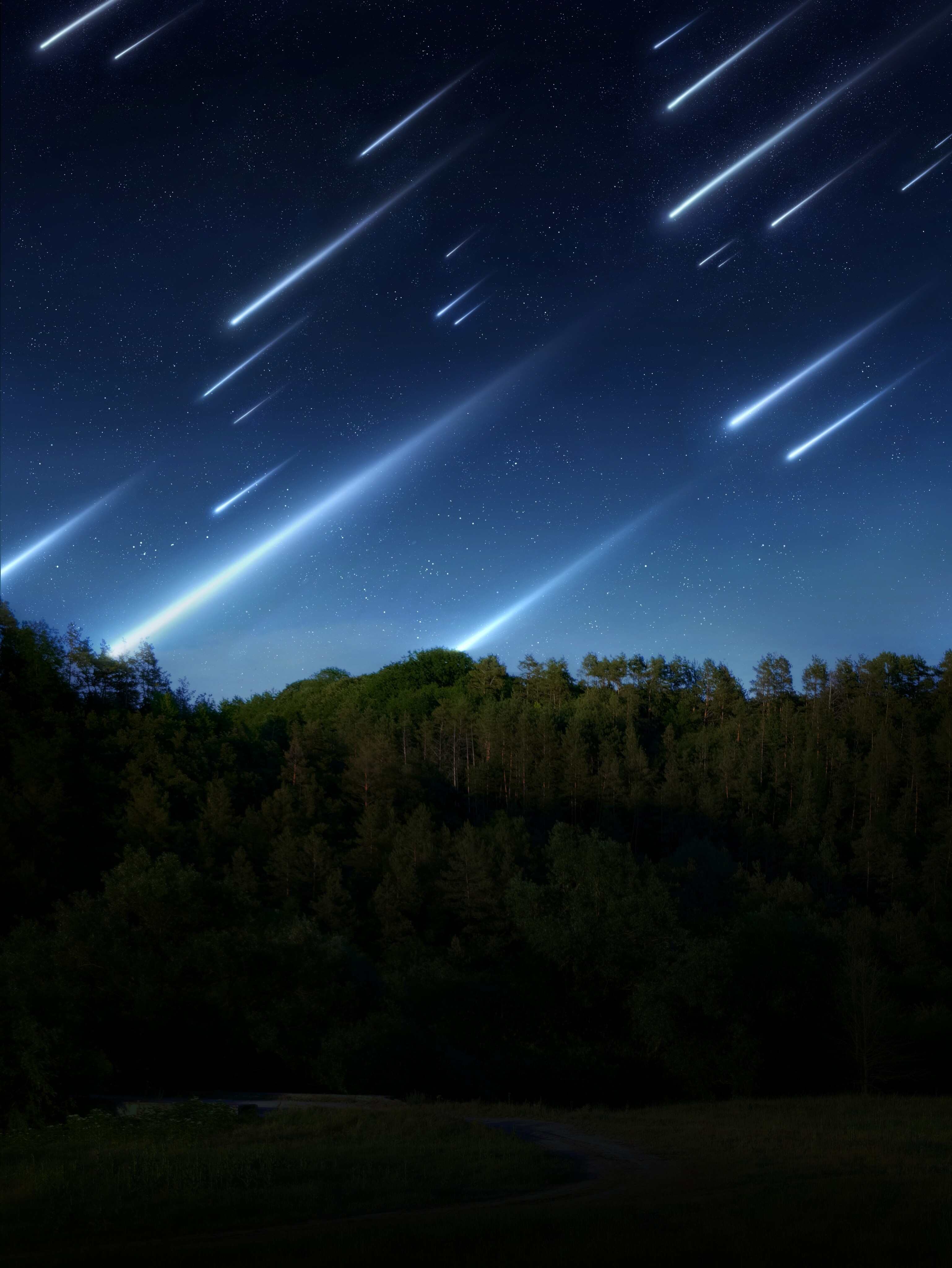
Meteor showers are another stunning sight. They occur when space rocks, known as meteoroids, crash into our atmosphere. This friction causes them to burn up, producing bright streaks of light called meteors.
Some bright meteors, called fireballs, can shine even brighter than planets, and they may produce sounds and leave behind glowing smoke trails.
When a large number of meteors flash through the same part of the sky, it is known as a meteor shower.
If you missed the Quadrantids, which took place earlier this month, you can look forward to the Perseids in August and the Geminids in December.