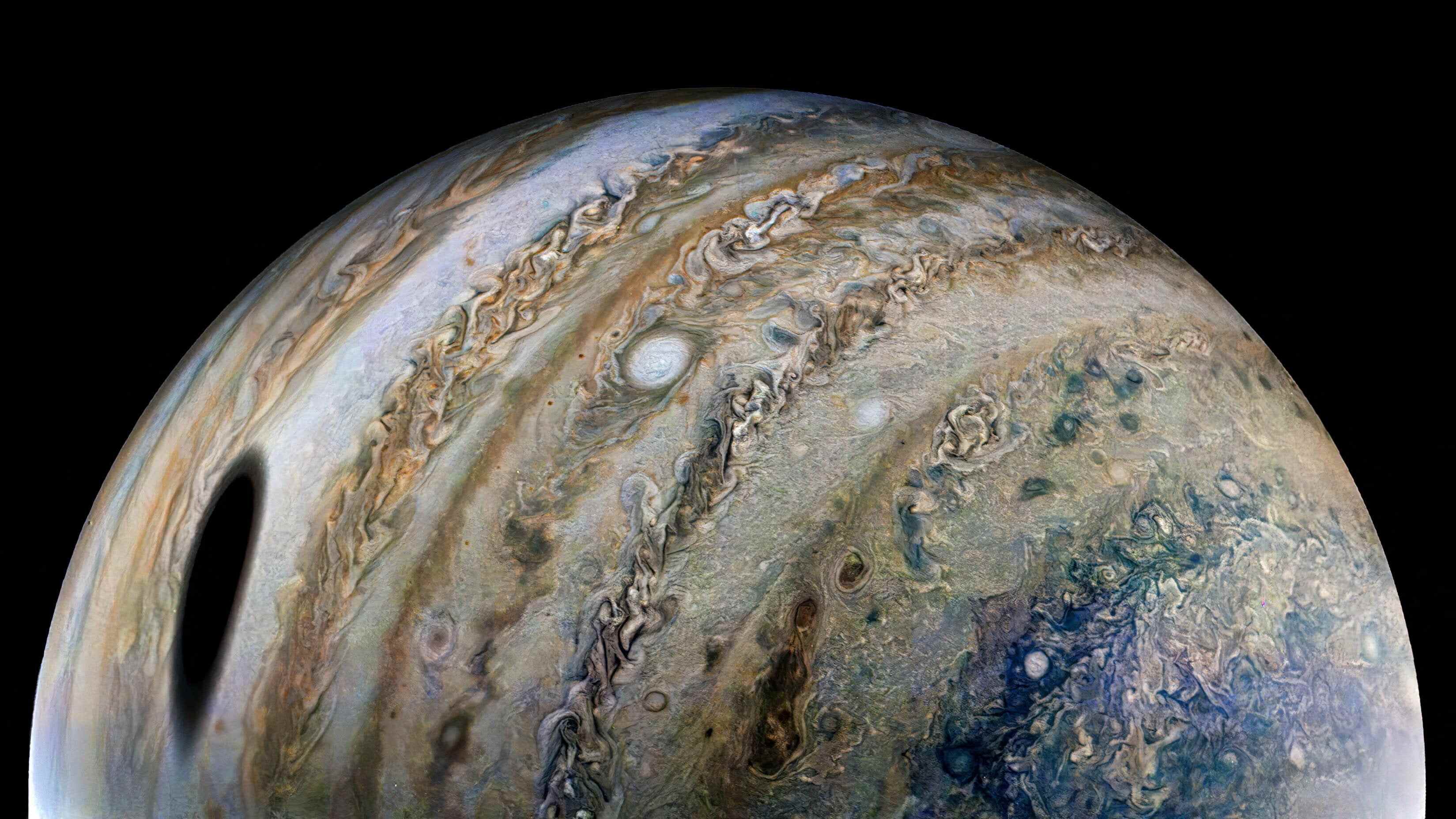
Jupiter is the biggest planet in our solar system. But it is actually smaller than scientists used to believe.
What are the new measurements?
Scientists have made new measurements of Jupiter’s size and shape. They are the most accurate measurements to date.
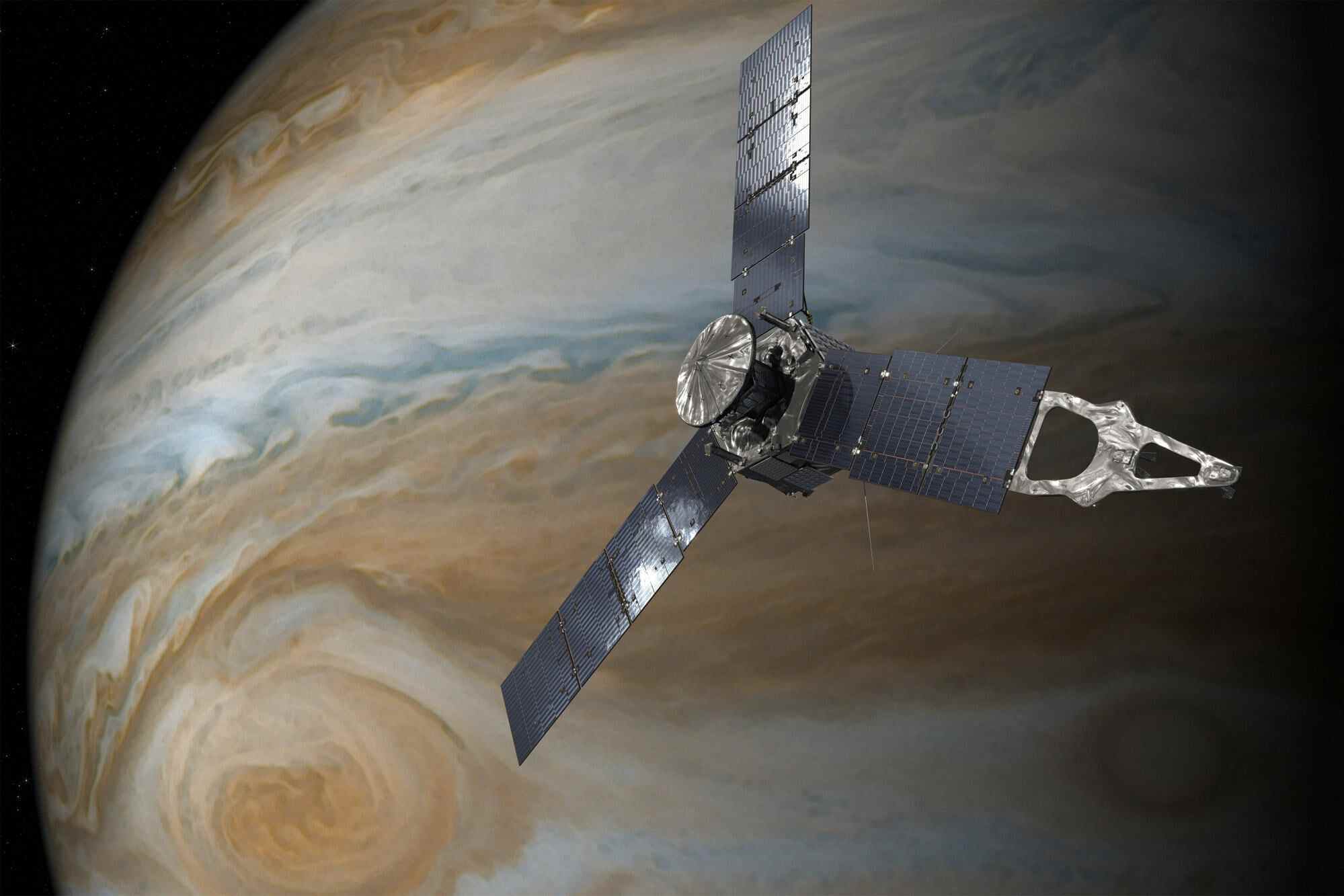
The American space agency Nasa has a robotic spacecraft called Juno. Scientists used new data from this spacecraft to better understand the gas giant.
The observations showed that Jupiter has a diameter of 142,976km through its equator (see graphic). This is about 8km smaller than past measurements.
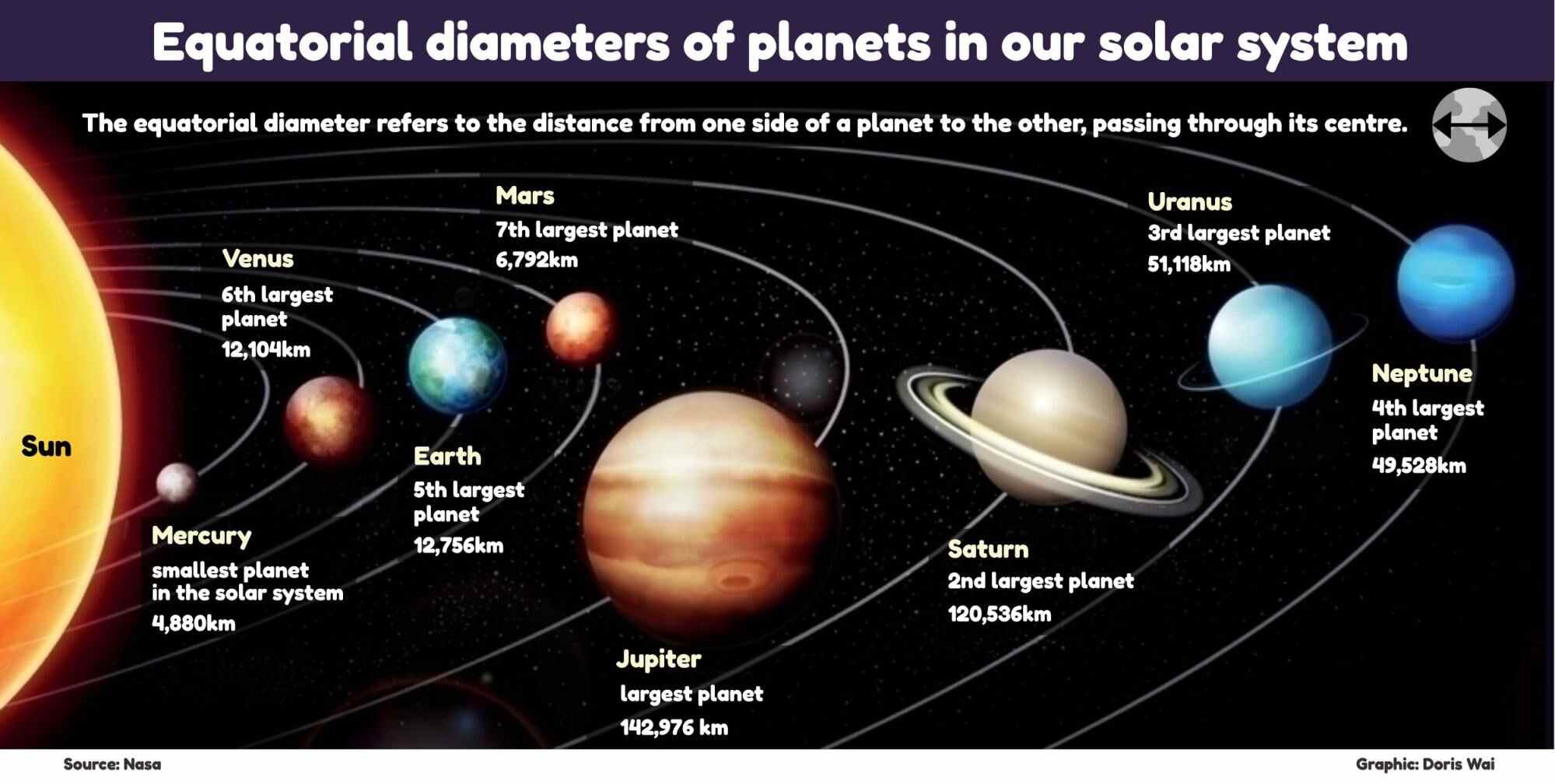
The data also showed Jupiter’s diameter from its north pole to its south pole. It is 133,684km, about 24km smaller than previously estimated.
The older measurements of Jupiter were based on data gathered by Nasa in the 1970s.
Juno was launched in 2011. It has been orbiting Jupiter since 2016 and has been sending data back to Earth for scientists to use.
How did they measure it?
The study was published last month in the journal Nature Astronomy. Its lead author is Eli Galanti. He is a planetary scientist.
Galanti explained that as Juno passed behind Jupiter from Earth’s view, its radio signal travelled through the planet’s atmosphere before reaching Earth. The team measured how Juno’s signal changed as it passed through the planet.
This is how they figured out Jupiter’s size with precision.
What do we know now?
Precise new measurements of Jupiter are helpful to scientists. Jupiter is so big that all the other planets could fit inside it. More than 1,300 Earths could fit inside Jupiter.
Models of what is inside a planet and how its atmosphere is structured rely on its radius. Radius is a measure that is half of a circle or sphere’s diameter.
Galanti said that understanding Jupiter’s structure is important for understanding the solar system.
“Jupiter likely formed early,” he said. The planet strongly influenced how material was spread and how other planets grew, he added. Jupiter also influenced the delivery of volatiles to the inner solar system.
Volatiles are substances that evaporate easily. These include water and carbon dioxide.