YoungPost Club Learn
DOWNLOAD OUR APP
appstoregoogleplay
FIND US AT
My JourneyMy VocabularyMy Leaderboard
My AccountSearchAbout UsContact Us
Subscription Plan
School Subscription
YOUNG POST
NewsTrendingBeing wellLearning zoneShare with usQuizzes
SPARK
NewsTrendingBeing wellLearning zoneShare with usQuizzes
POSTIES
Big readEye on the newsHa-ha-happeningsThings to doYour saySteam studioHealth and happinessQuizzes
Subscribe to Young Post Club to access our great content
ABOUT US|CONTACT US|WRITE FOR US|PRIVACY POLICY|TERMS & CONDITIONS
©2025 Young Post Club. All rights reserved.
My Journey Hello
Brand Avatar
Young Post
My Journey illustration

With a subscription, you can answer quizzes and track your reading progress.

Read / STEAM studio

Watch the night sky for the rare event behind the phrase ‘once in a blue moon’

The colour of Earth’s satellite won’t change, but you will get to see two full moons in the same month – which only happens every few years
bydpa
Published: 10:45pm, 10 May 2026
Length: 329 words
Watch the night sky for the rare event behind the phrase ‘once in a blue moon’

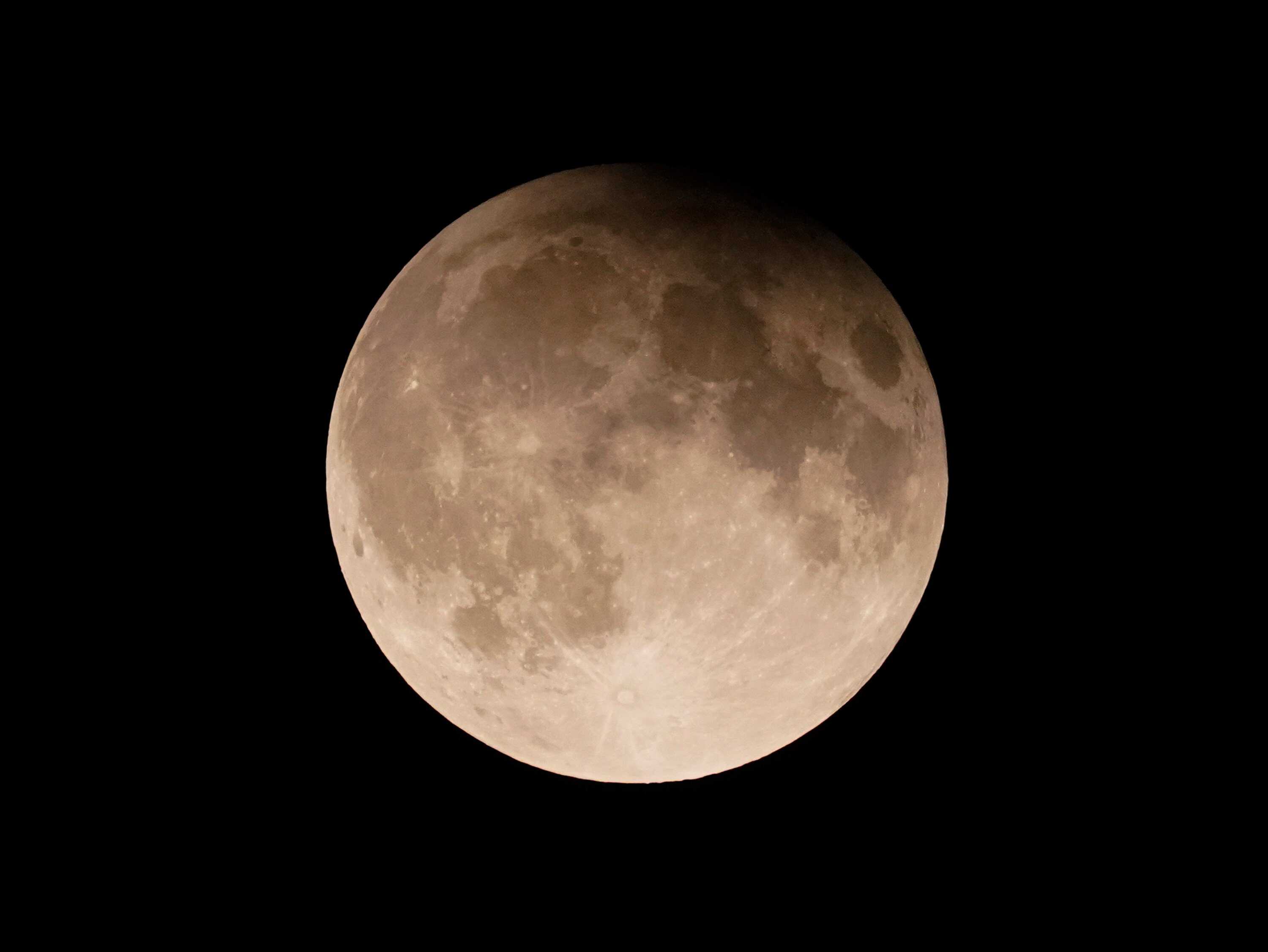
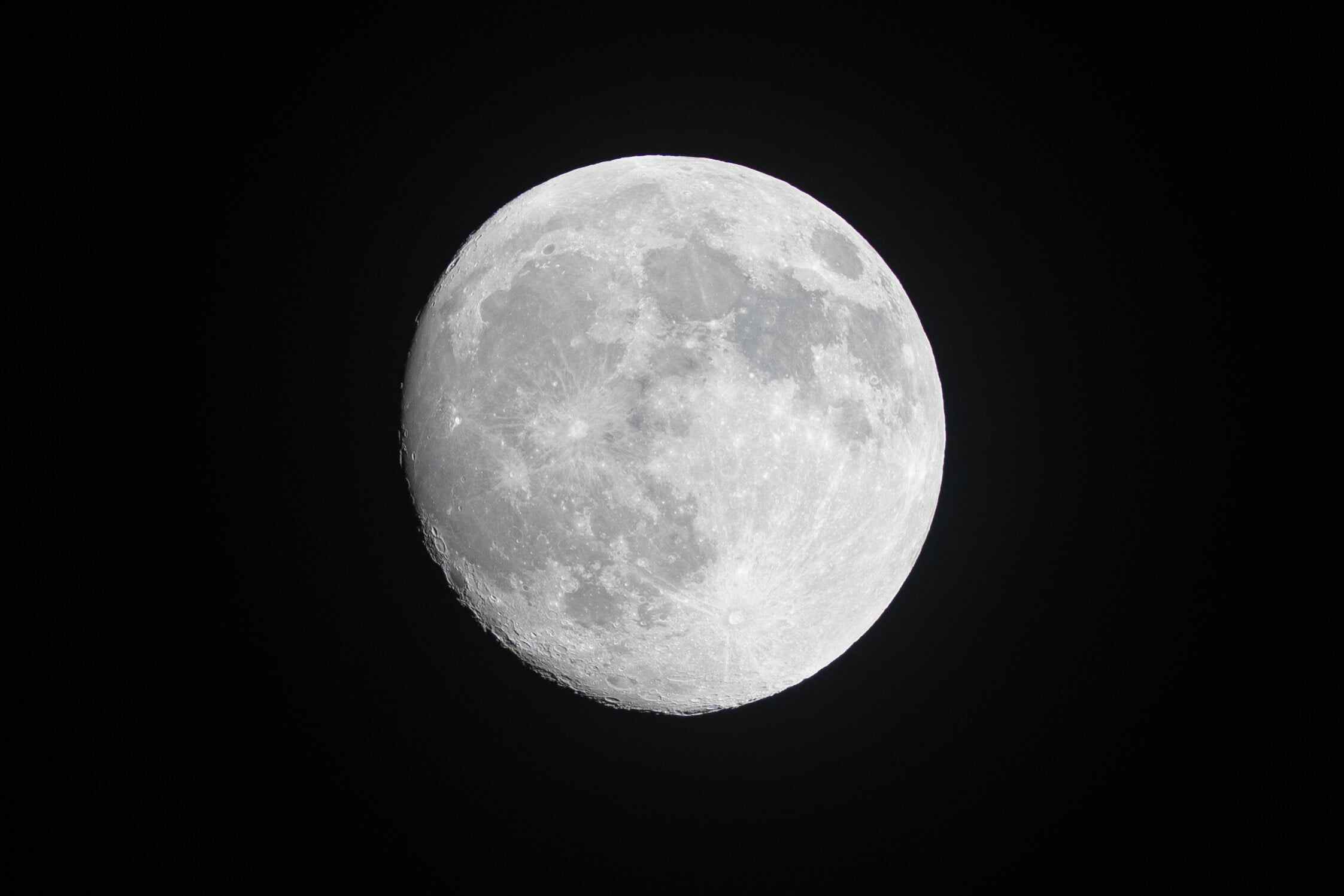
If something happens once in a blue moon, it is very rare. Photo: Eugene Lee

Difficulty: Challenger (Level 2)

This month, skywatchers will get the rare chance to see something that happens only once in a blue moon – in fact, it is the very phenomenon that gave rise to the phrase “once in a blue moon”.

The so-called blue moon is the name given to a full moon that appears for the second time in the space of one month.

This is rare since there are 29.5 days to a full lunation - the time between two successive identical lunar phases, such as from full moon to full moon – while calendar months are between 28 and 31 days. Because these cycles are different, some calendar months have two full moons, which happens about once every two to three years.

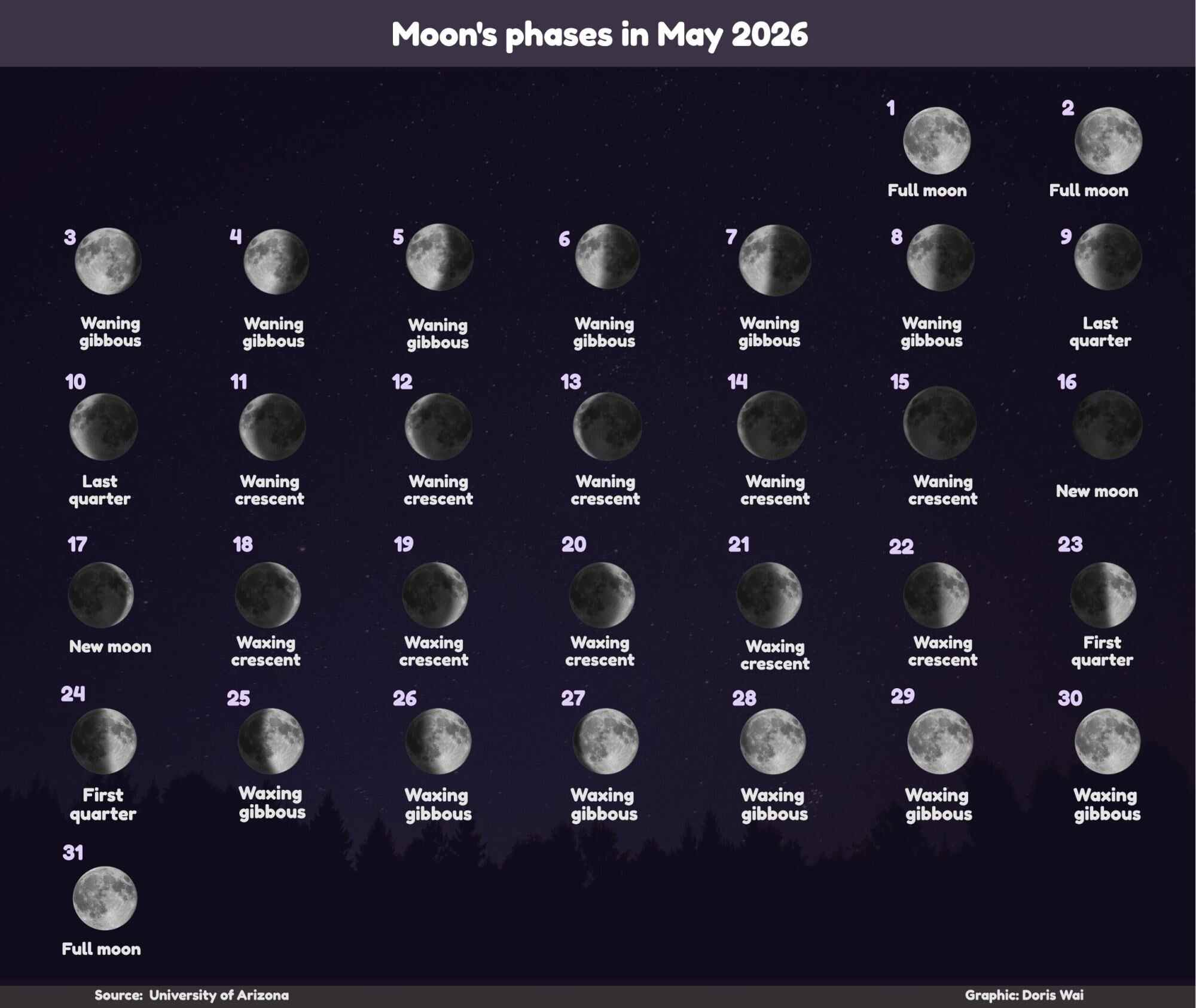
This year, the first of the two full moon phases occurred on May 1; on May 31, Earth’s satellite will again appear fully illuminated (see graphic). Because the moon will also be at its farthest distance from Earth the following evening at 405,839km, the full moon will appear the smallest this year.

The somewhat misleading name of “blue moon” has been used for centuries, yet its origins are a mystery. Some believe that the word “blue” may have come from the Old English word “belewe”, which means “betray”. Perhaps people who studied the sky in the past thought the moon was playing a trick on them.

What we do know is that neither the first nor the second full moon shines in a blue light.

The next blue moon will be the full moon on December 31, 2028.
IN THIS ARTICLE
Space exploration
Science
KEEP READING
cover
Big read
How did the solar system and all our planets form?
08 Dec 2025
cover
Eye on the news
Samples from Chang’e-6 mission unveil moon’s hidden, colder side
19 Oct 2025
cover
Big read
What would a day on the moon be like? A Hong Kong Space Museum expert explains
05 Jan 2025