Difficulty: Challenger (Level 2)
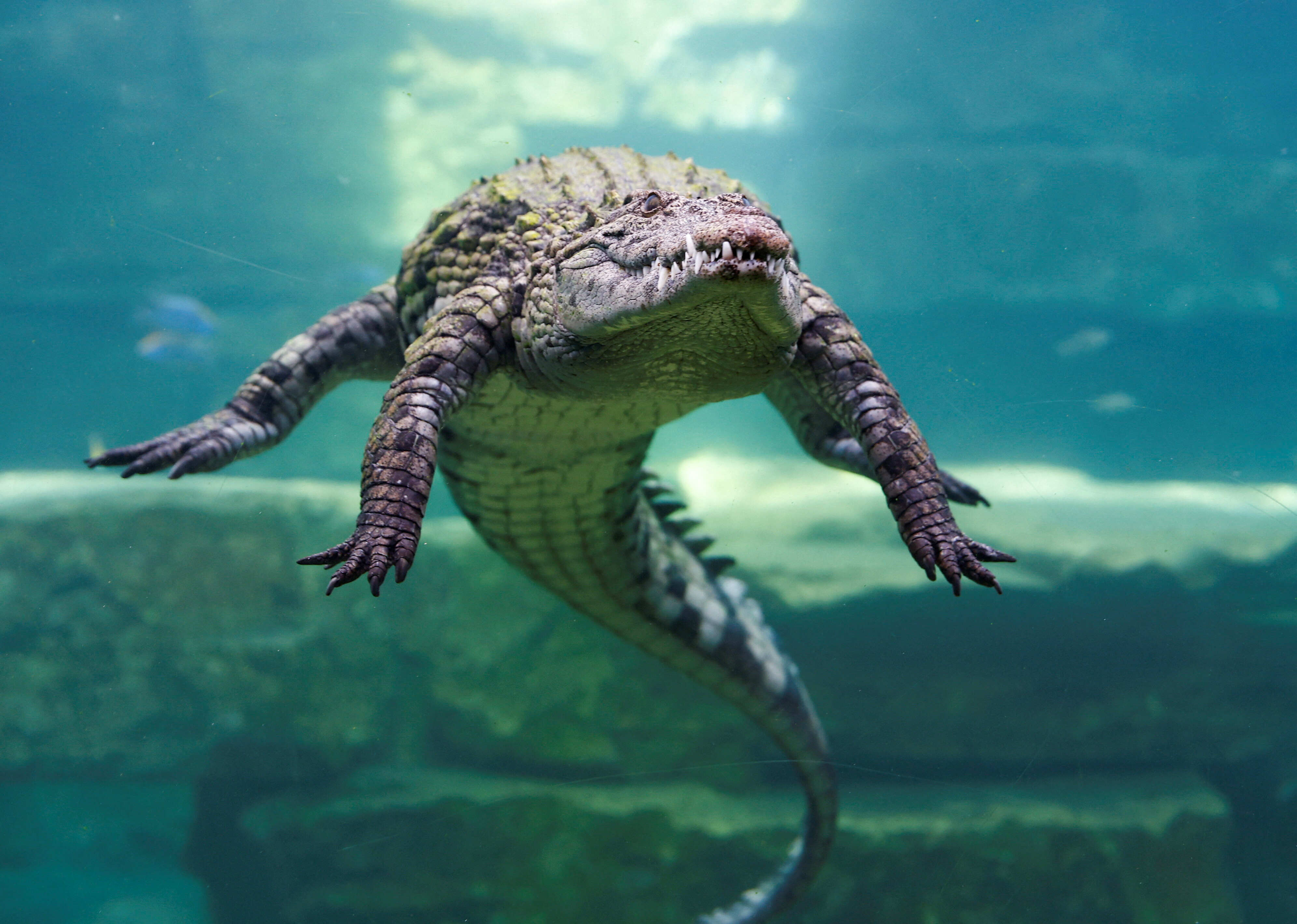
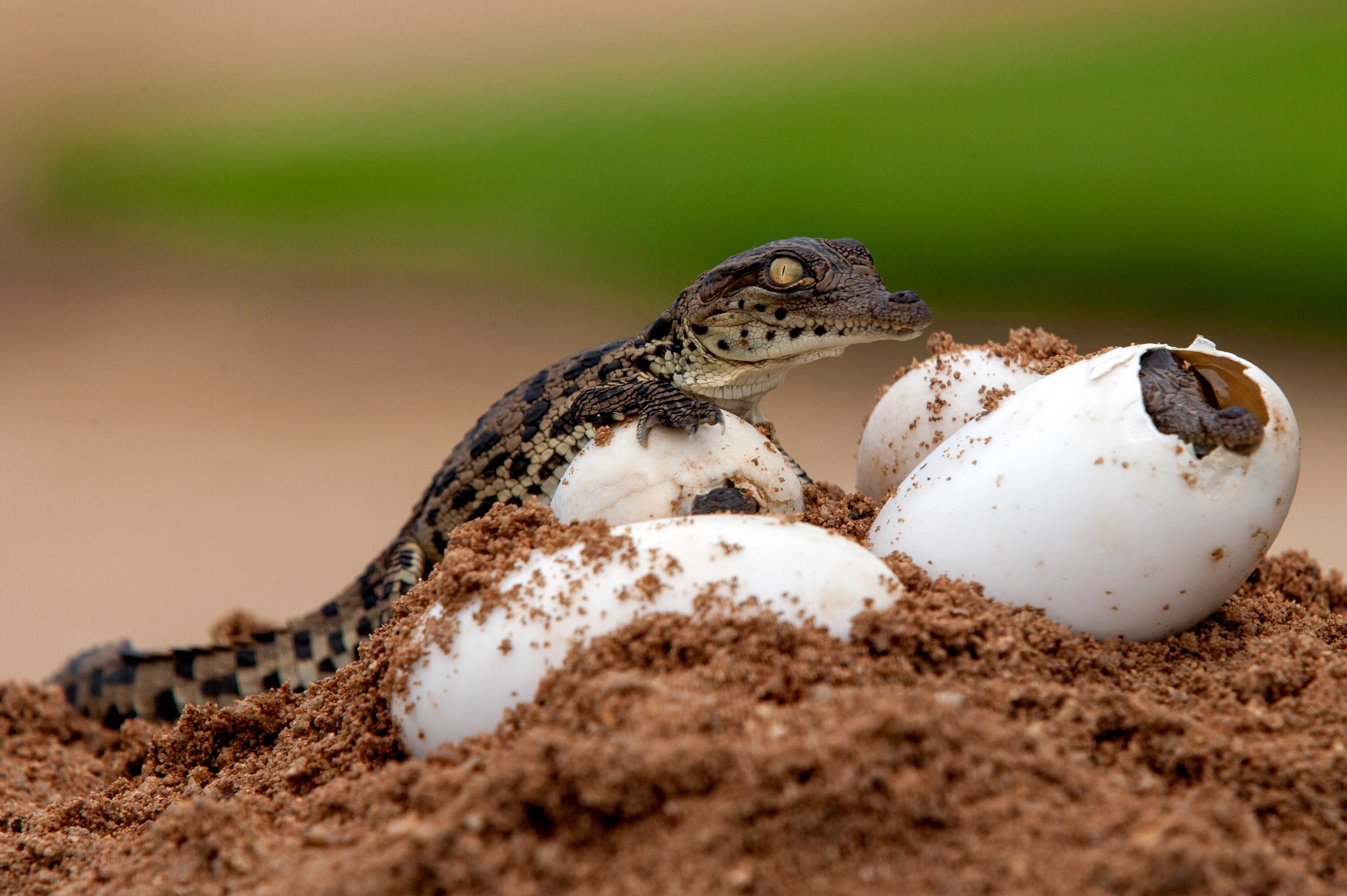
France’s heatwaves have led to a strange outcome. At a wildlife park, 10 Nile crocodiles hatched without human help for the first time.
In the wild, Nile crocodile eggs incubate in underground nests. But zoos usually hatch them in controlled incubators. Staff closely monitor the temperature and humidity.
“For the first time, we had an incubation that took place entirely under natural conditions,” Samuel Martin said. He is the director of the zoo in the town of Pierrelatte.
La Ferme aux Crocodiles says it is Europe’s largest wildlife park with a focus on reptiles.
On August 22, visitors saw 10 Nile crocodiles hatching without human help. They told staff, but the excitement quickly turned into concern. Martin said this birth showed the effects of climate change since France is not usually hot enough for Nile crocodiles to hatch on their own.
A Nile crocodile egg must be kept between 30 and 34 degrees Celsius for about three months. This is how the embryo will grow and hatch.
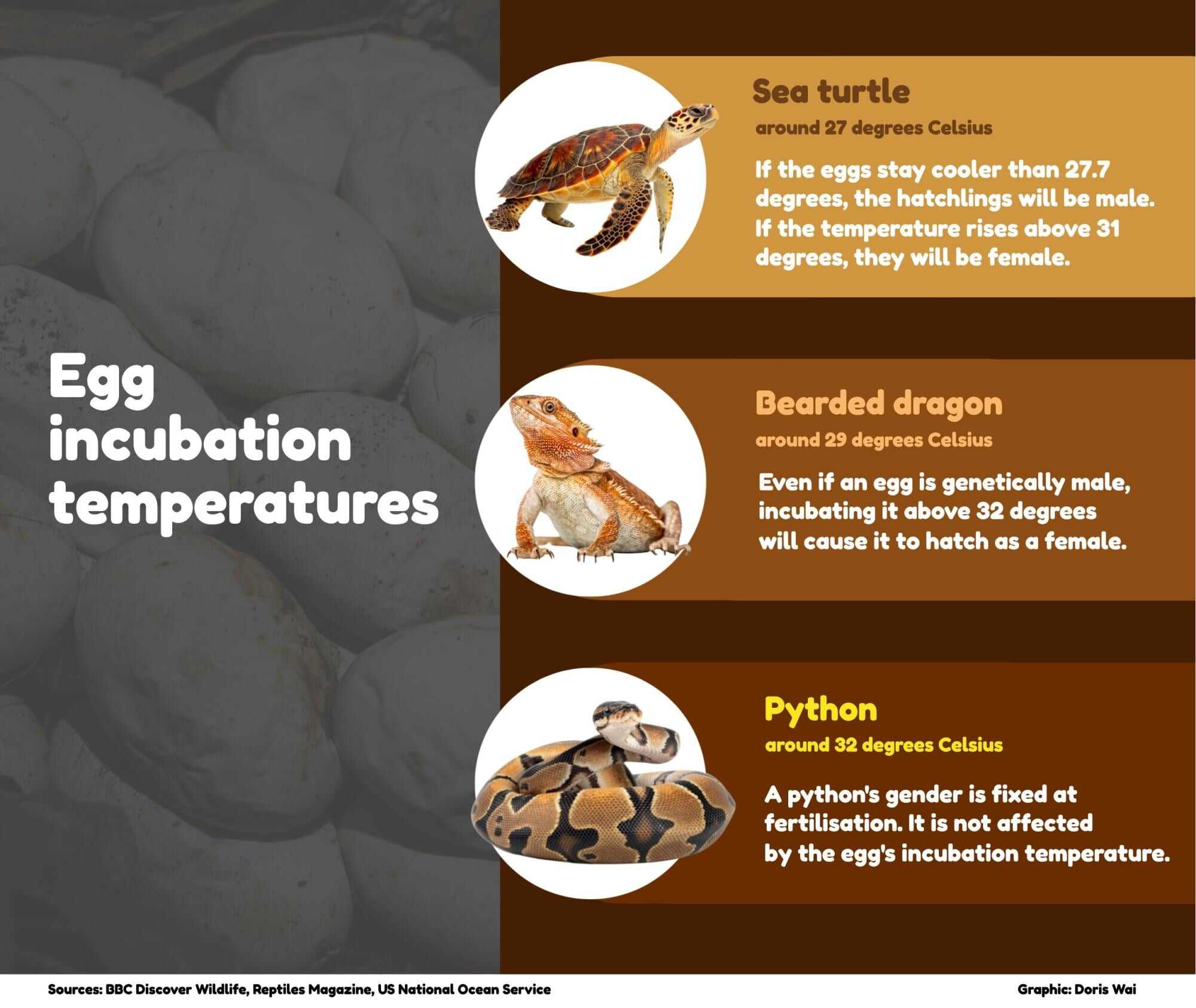
The temperature when the eggs are incubating can decide if the babies will be male or female. If the temperature is around 31 degrees or below, the hatchlings are female. Higher temperatures produce more male babies (see graphic).
This species lives in sub-Saharan Africa, where temperatures are usually warmer than in France. But France had three heatwaves this summer. The country saw a record 52 days of extreme heat. Climate change has made these conditions worse.
Because the hot weather lasted so long, the sand at the French zoo stayed warm from the sun. This created the perfect environment for the Nile crocodiles to hatch naturally.
All 10 hatchlings are doing well. Staff will watch over them in the nursery before they are shown to visitors.
At the zoo, Martin said species coming from “hot countries are feeling comfortable” in the heatwave. But he added that those from places that are not very hot or cold might suffer more.