Difficulty: Challenger (Level 2)
Doctors warn that they are seeing more children with a reaction caused by resting electronic devices on their skin.
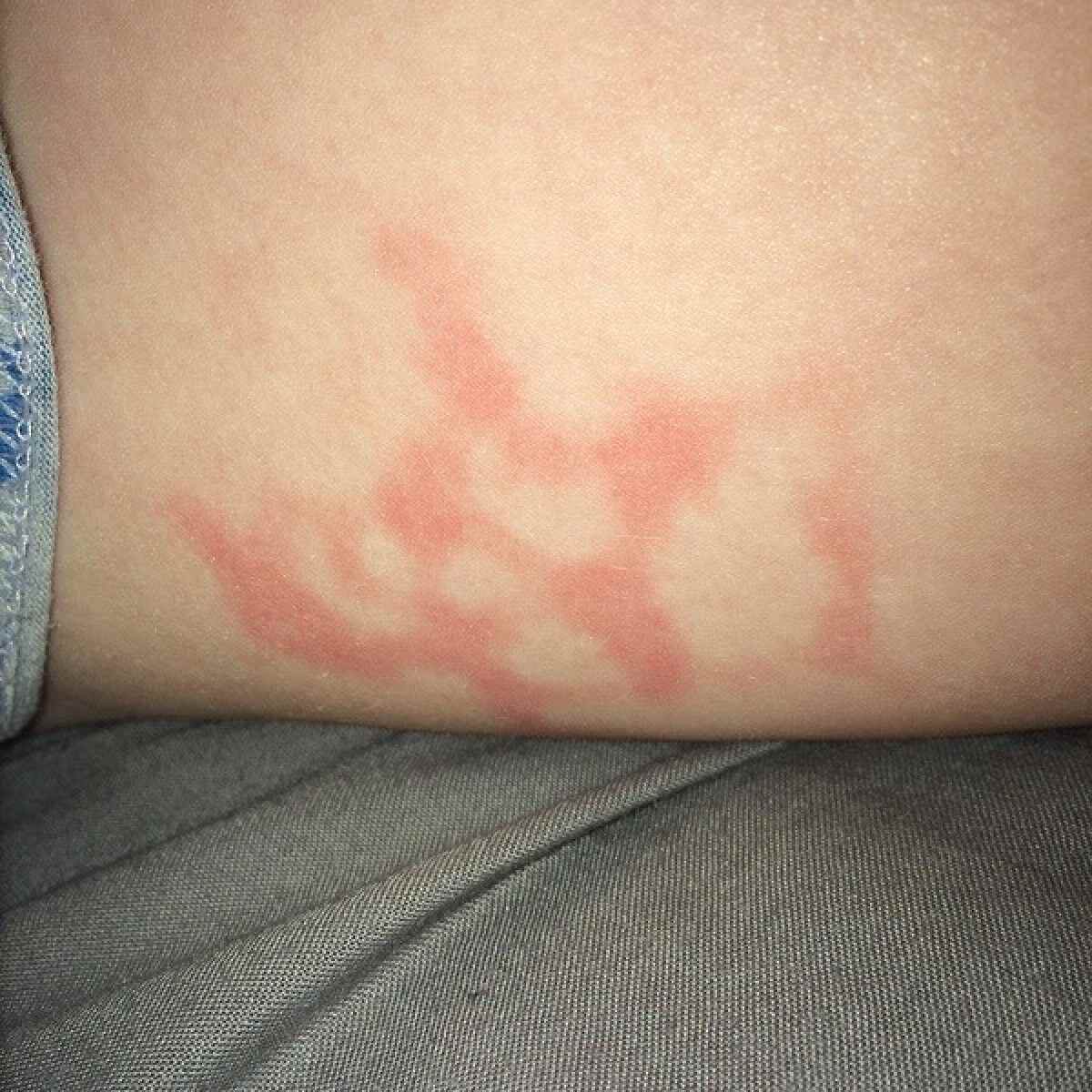
Erythema ab igne (EAI) is also known as toasted skin syndrome. It is a netlike rash caused by long-term exposure to low heat.
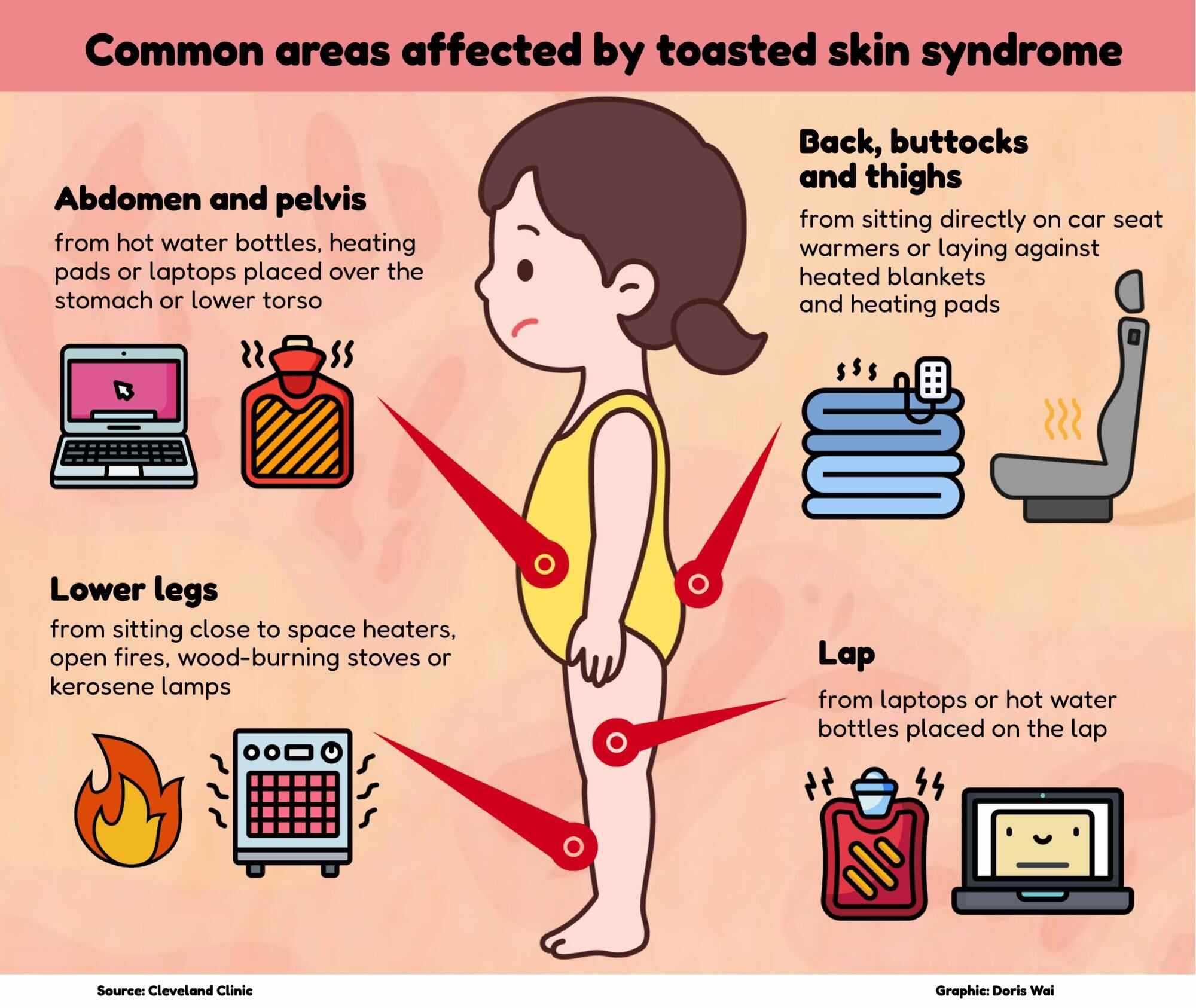
EAI is usually found in adults who use hot-water bottles or heating pads (see graphic). But it is becoming more common among young people who use electronic devices.
A preteen boy was diagnosed with EAI after resting his laptop on his stomach for up to eight hours a day.
Dr Mara Znagoveanu wrote about this in BMJ Case Reports. She is from the University Hospitals of Leicester NHS Trust.
The doctor said the patient went to the children’s emergency department with “spontaneous bruising”. Neither he nor his parents could pinpoint what caused the rash. He was well, with no trauma or symptoms such as fever or weight loss. Blood tests and scans were normal, so he went home.
Two weeks later, the patient returned to hospital as the rash had worsened. Areas of his skin were peeling.
It turned out that the boy was being home-schooled and used a laptop for learning. He rested the device on his stomach for up to eight hours a day, usually while it was charging.
The boy was later diagnosed with EAI. A number of months later, the boy’s father told doctors that the rash eventually went away.
Znagoveanu said: “EAI may be overlooked in children, especially when the source of heat is less obvious than the traditional sources such as hot-water bottles and heating pads.”
EAI is usually reversible. Once the heat source is removed, the rash improves over weeks to months.
But in some cases, it can leave permanent dark marks on the skin.
Znagoveanu explained that there were currently no official medical guidelines for diagnosing EAI in children. Doctors had to rely on a patient’s medical history and typical physical symptoms.
She added that recognising the condition early by asking the right questions could save young patients from unnecessary medical tests.