Difficulty: Challenger (Level 2)
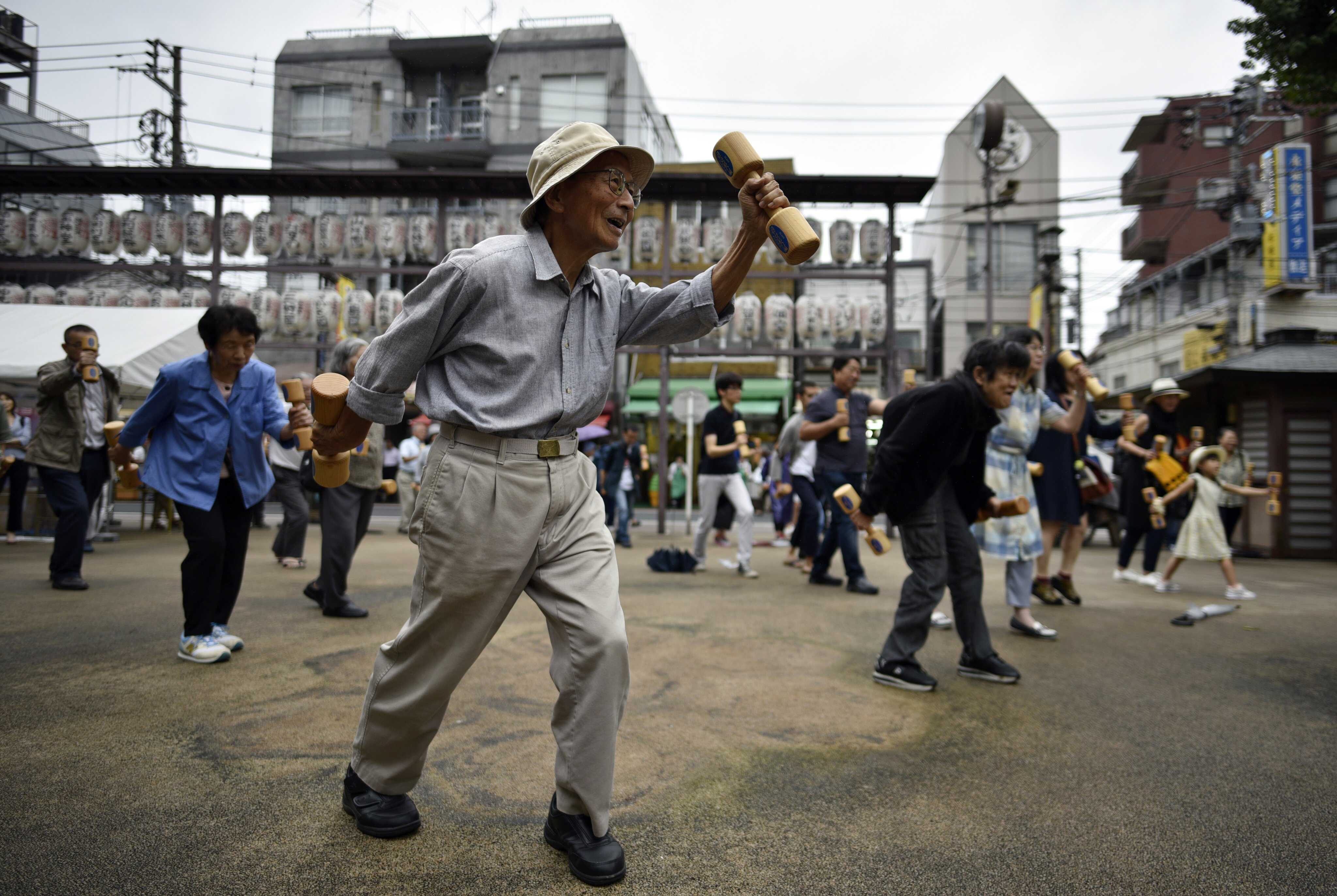
Japan now has more than 100,000 centenarians. Centenarians are people who are 100 years old or older. This is the highest number ever recorded and shows how quickly Japan’s population is getting older.
Meanwhile, the total number of people is getting smaller. The Health and Welfare Ministry released data in September showing that Japan now has 107,677 centenarians, an increase of 7,914 from the previous year.
This is the first time the number has gone above 100,000. Almost 88 per cent of these centenarians are women.
Kyoto resident Fuyo Kishimoto was recently recognised as the oldest Japanese woman at age 114. Japan’s oldest male is 112-year-old Hikaru Kato from Kumamoto in southern Japan.
The numbers were shared to celebrate this year’s Respect the Aged Day on September 15. On this day, healthy, active people aged 100 or older are honoured by the government.
They receive a letter from Prime Minister Sanae Takaichi and a silver sake cup as a gift.
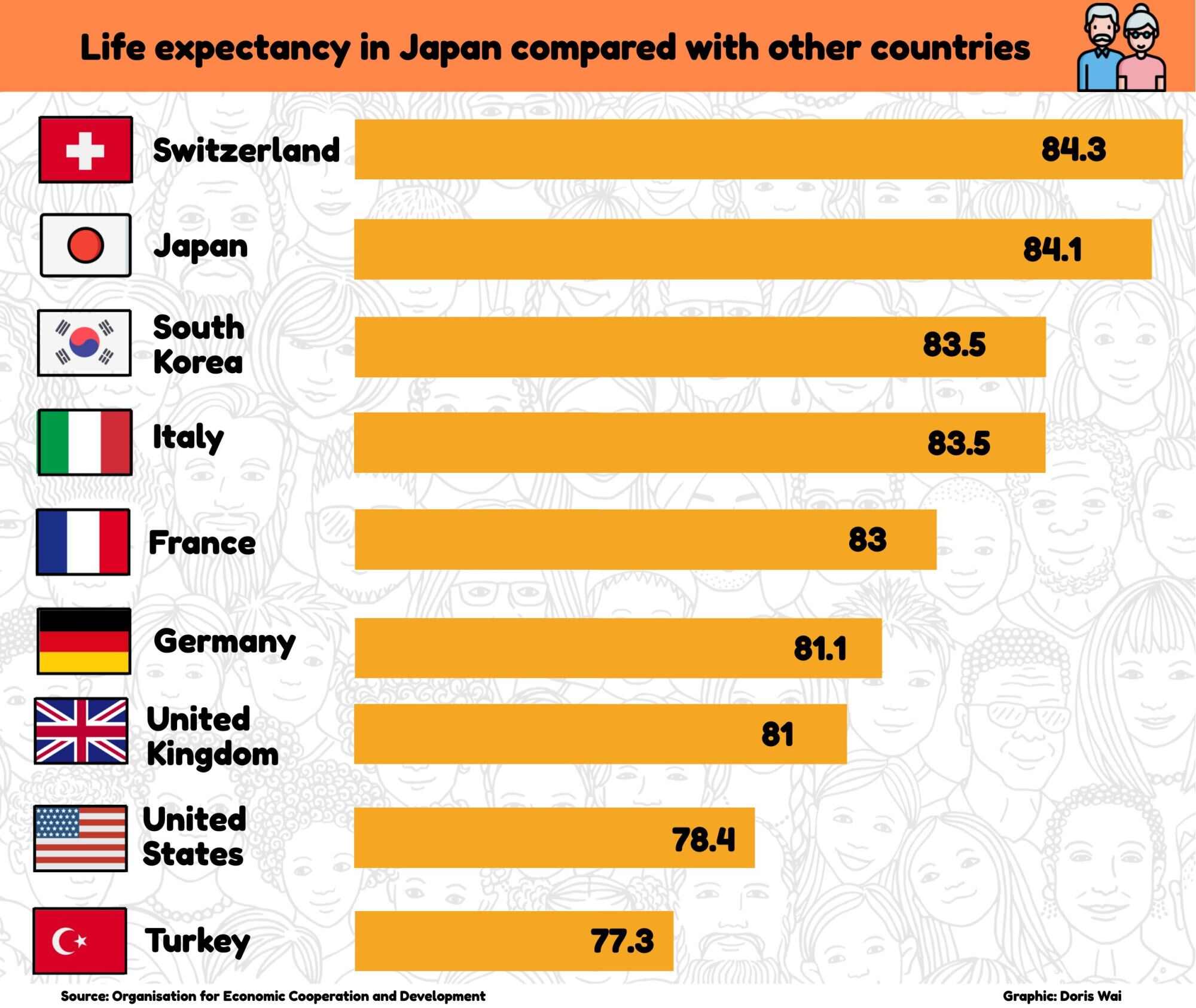
“I’m very pleased that many people are living ... long, healthy and active lives,” Kenichiro Ueno said. He is Japan’s health minister. He noted this is happening because of better medical technology, healthier lifestyles and diets.
Japan is facing a decline in its population, and this change is unavoidable. By the year 2025, the average number of children each Japanese woman gave birth to had fallen to a new low of 1.14. To stop the population from going down, this number needs to be at least 2.1.
In 2020, Japan had a population of 126 million people. Nearly 30 per cent of them were 65 years old or older (see chart). Experts predict that by 2070, Japan’s population will drop to 87 million. Almost 40 per cent of the people will be 65 or older.
There were 153 people aged 100 or older in Japan when centenarian surveys began in 1963.