
Difficulty: Explorer (Level 1)
You might feel pressured to use all your free time to study. However, it’s easy to overdo it and burn out. That’s why taking breaks is an important part of studying.
Study breaks let your mind and body relax and help you de-stress. For example, if you work for 30 minutes, take a 10-minute break. If you study for 45 minutes, take a 15-minute break. This could also help you study without distractions.
When you take breaks, avoid scrolling on your phone or playing video games. Instead, try to move your body or do something that will relax you. For example, you could take a short walk, cook dinner, shower, or do chores. This will let your eyes and mind take a break.
Most importantly, do not sacrifice sleep or health. Your brain will not retain information well if you sleep too little. Make sure you set a strict bedtime each day while you study for exams.
Create a study planner
Materials
-
notebook
-
pen or pencil
-
decorative items such as stickers, markers, and glitter
Instructions
-
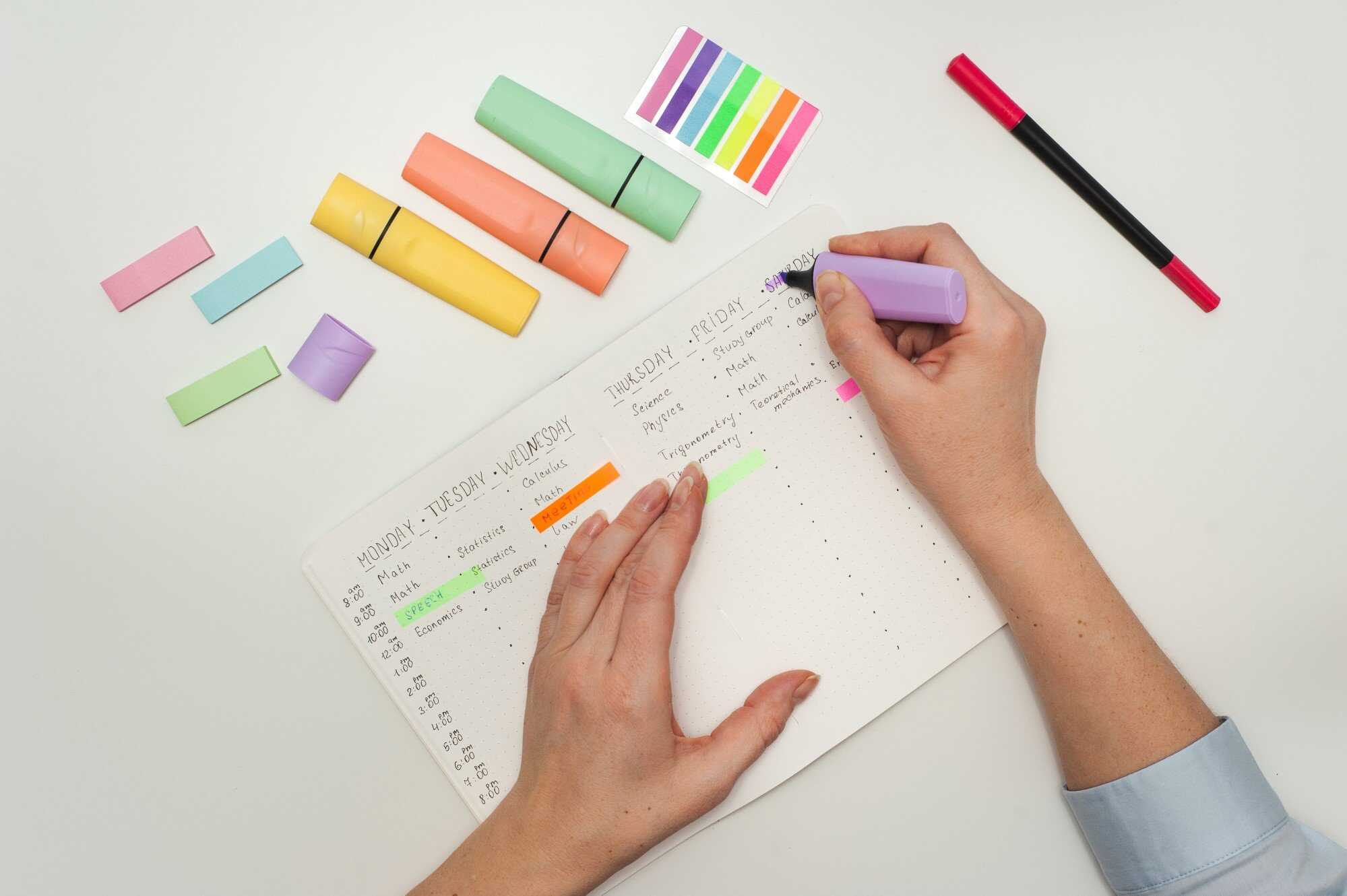
A beautiful study planner is a great way to organise your revision and get you excited to learn. To start, you can find or buy a notebook you like.
-
Count how many days are left until your exams. From there, you will use two pages to represent one week of studying. On the left page, make three columns. Then, do the same on the right page. Each column represents one day. There are six days because you can rest on the seventh day of the week.
-
Write time slots on the left side of the paper from when you get home to when you go to sleep.
-
Plan each day by writing down when you will study a certain subject. Consider which exams come first and which subjects are most difficult for you. Don’t forget to include breaks!
-
Once you plan out your study schedule, it’s time to decorate! Use markers, stickers, glitter, or whatever you like. You can decorate the cover and the inside of your journal. Make sure you can still see the contents.
-
Each time you study for the allotted period, put a sticker on the time slot. This serves as a visual reminder of the effort you put into studying!
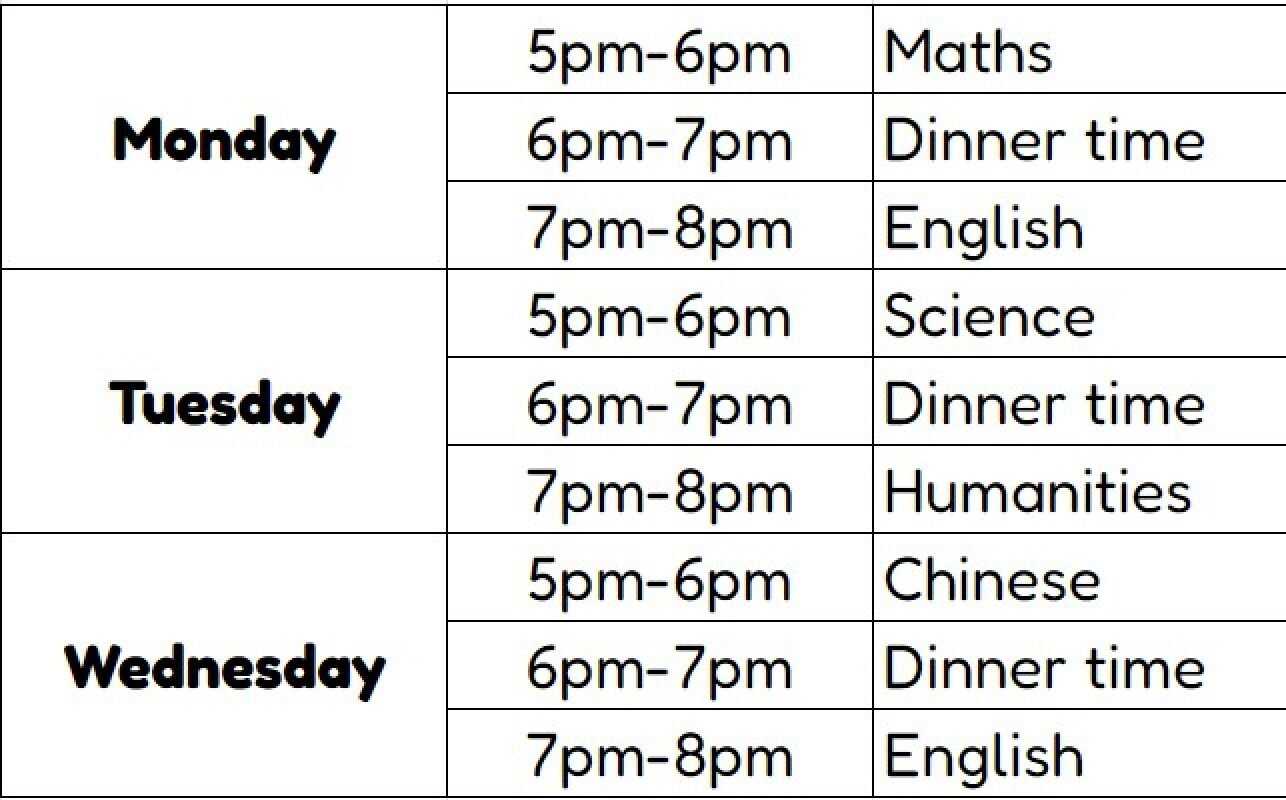
Here is a sample study planner:
Learn your friends’ study tips

Materials
-
pen
-
paper
Instructions
-
Pick one or two subjects that you find particularly challenging. Approach some trusted older friends and ask for their best study tips for these subjects.
-
Listen carefully to their replies and determine the best two or three tips for your lifestyle. Write these tips down.
-
Look at their pointers and select the ones that best suit your studying habits. Don’t try to implement too many new strategies all at once! It could be too overwhelming.