Difficulty: Explorer (Level 1)
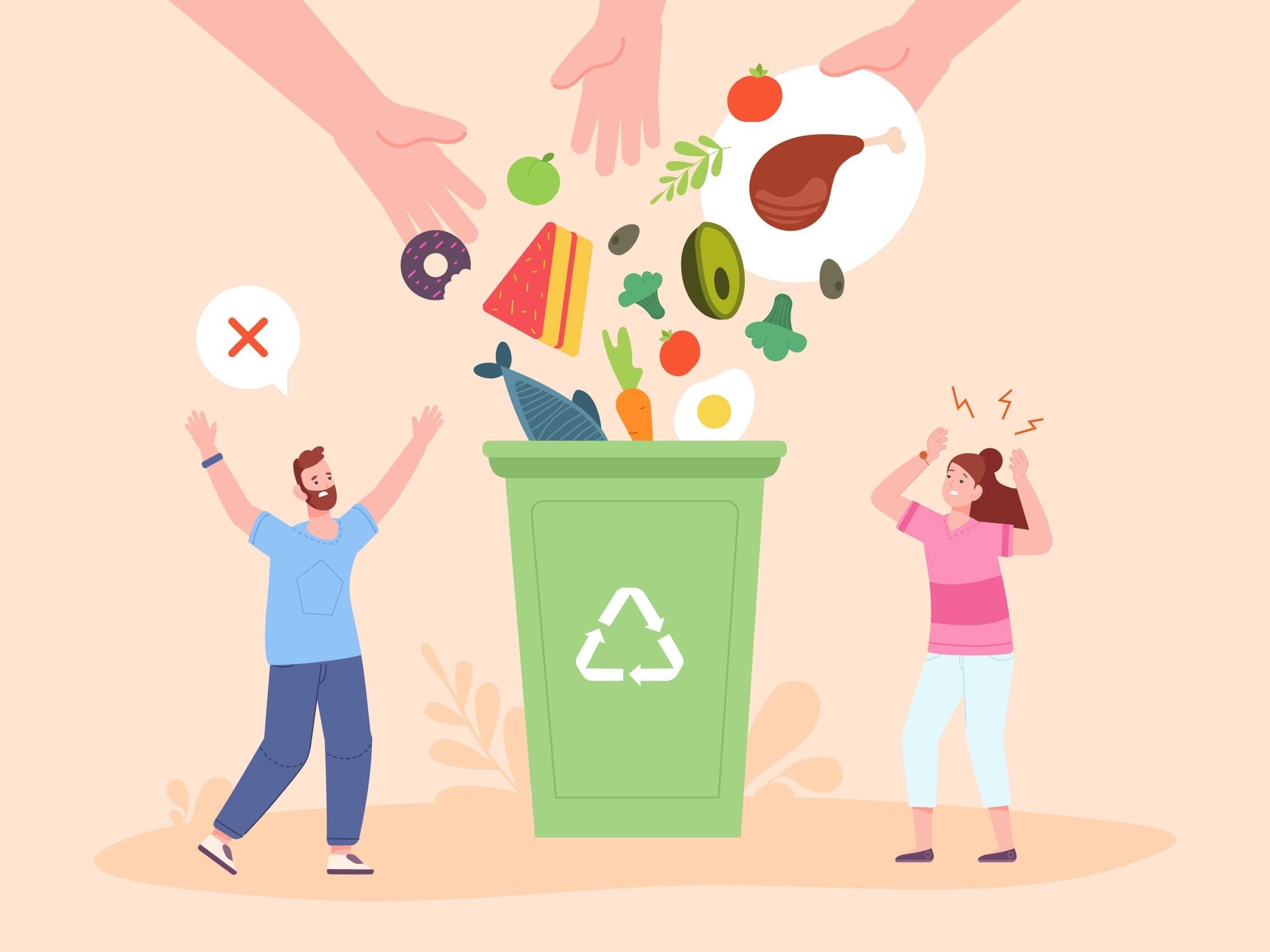
Food is necessary for everyone. People around the world grow, transport and prepare food every day. So, when food is wasted, we also waste the water, energy and effort used to produce it.
Many people around the world do not have enough food to eat and live. Part of being a responsible global citizen is to help the world maintain sustainability.
A sustainable food system requires us to minimise our food waste and consume our food wisely. When we waste less food, we help protect the environment and support other communities.
Here are two activities to help you better understand food waste and how to minimise it.
Food waste observation
-
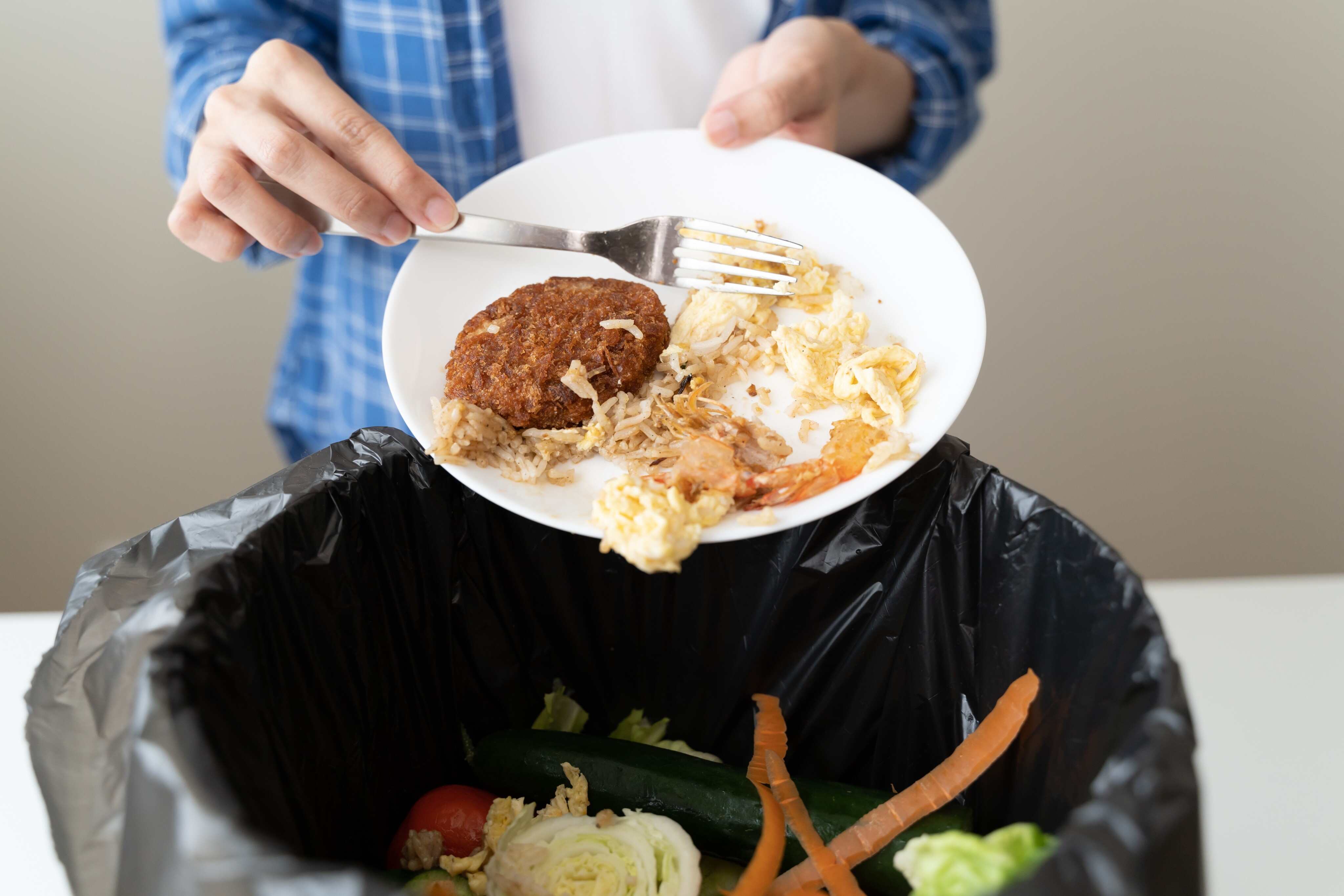
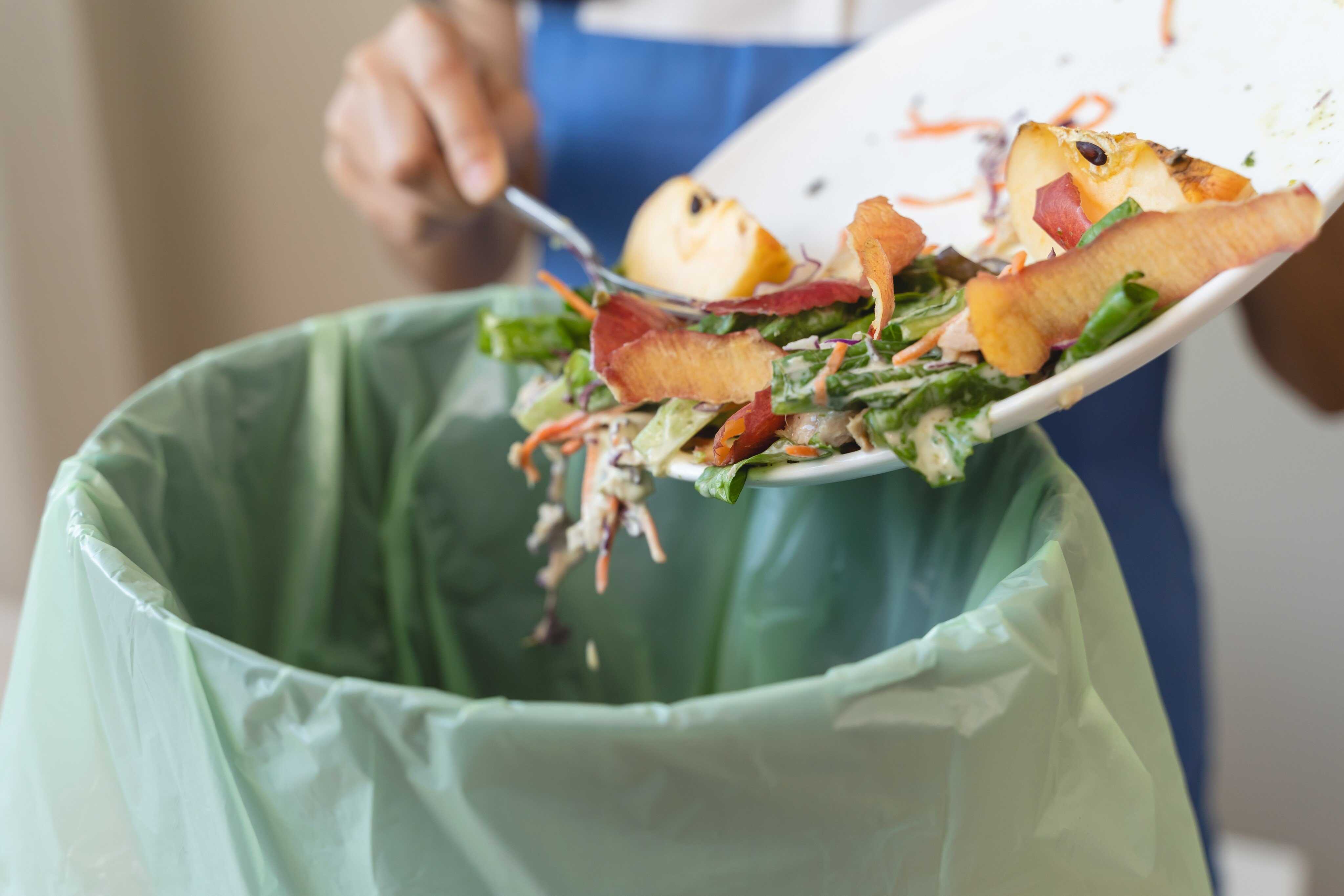
One way to reduce food waste is to first understand when and why food is being wasted. After each meal, you can observe what happens to the food on your plate and around your home.
-
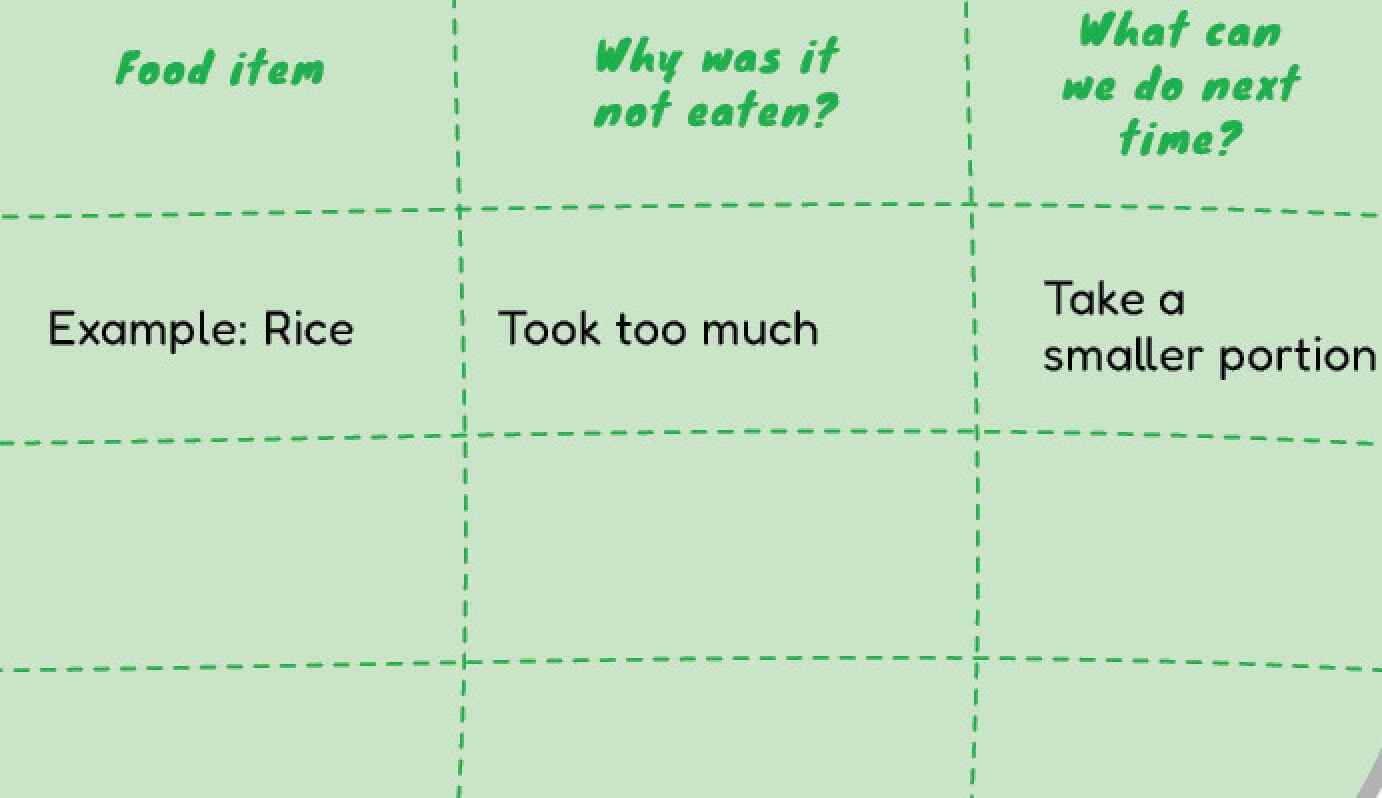
Fill out the table below after each meal. Discuss some questions with your family. Did we serve too much? Did we not enjoy the food? How can we reduce food waste next time?
-
Keep this chart as your food waste journey book and continue recording your observations throughout the week. This will help you see if your food waste is reducing over time.
Actions to reduce food waste
Now that you understand food waste, take action with a simple system to use food before it spoils.
Materials you might need:
-
two small containers or baskets
-
blank papers
-
markers or crayons
-
tape or sticker labels
Steps:
-
Decorate and label the containers “Eat me first” – one for the fridge, one for the kitchen pantry.
-
With a family member, check your kitchen for food or ingredients that are almost expired or have been open for a while.
-
Place those items into the appropriate “Eat me first” containers.
-
Check the basket every day and try to use those foods first.
At the end of the week, review the record of your Food Waste Journey Book and see if your food waste has reduced. Did the basket help? Was less food thrown away? What else can you do to reduce food waste?