Difficulty: Explorer (Level 1)
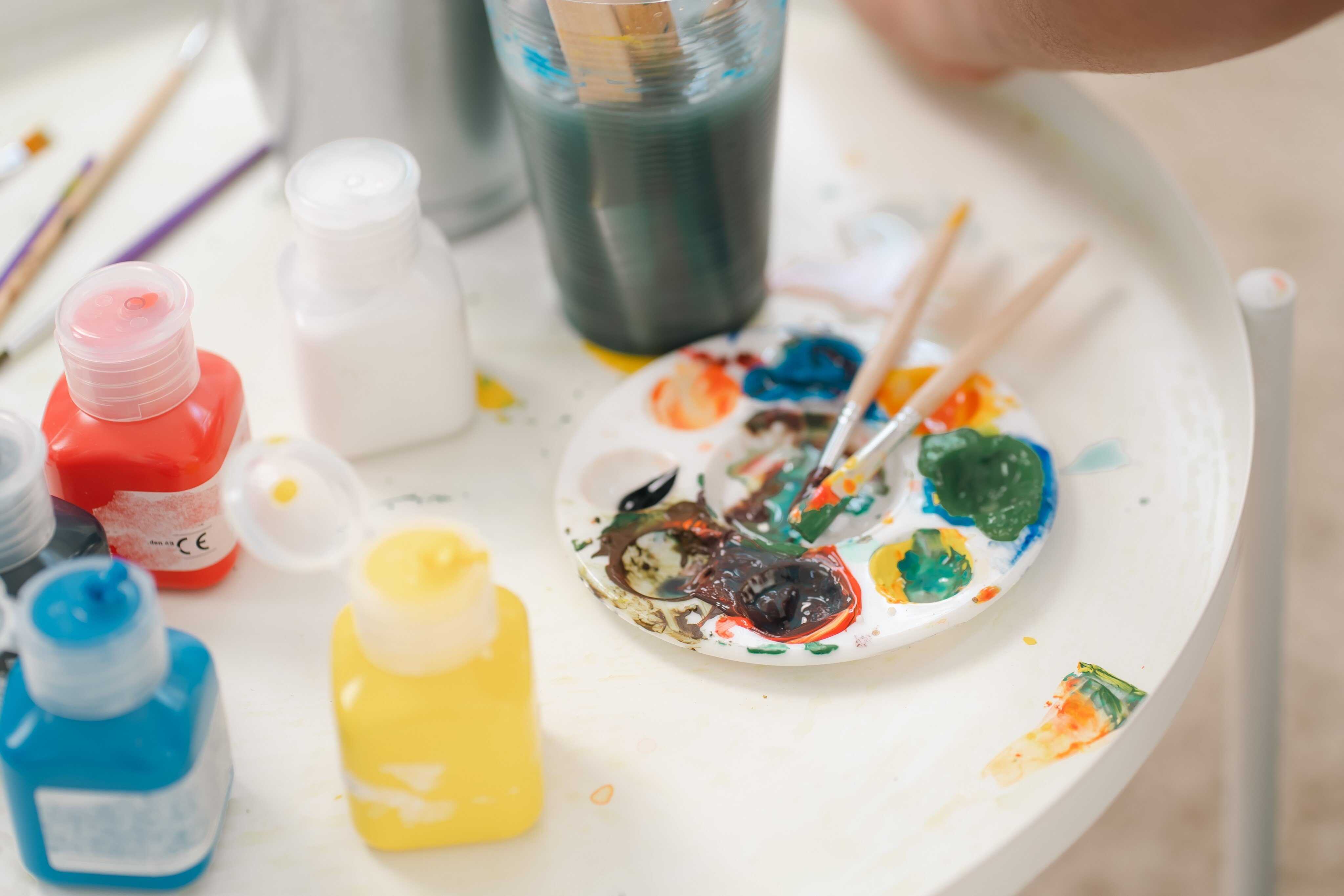
Did you know? There are two groups of colours: primary colours and secondary colours. The primary colours are red, blue and yellow.
When you mix two primary colours together, you create a new colour. That colour is called a secondary colour. When you mix red and yellow, you make orange. When you mix red and blue, you get purple. And when you mix blue and yellow, you create green.
Here are two crafty activities to help you learn all about mixing colours.
Slime time
Materials
-
2 large bowls
-
1 cup of clear washable glue
-
½ cup of warm water
-
1 teaspoon of baking soda
-
4–5 tablespoons of contact lens solution with boric acid
-
an airtight container
-
food colouring in the three primary colours: red, yellow and blue
Instructions
-
Pour the warm water into one of the large bowls. Mix the baking soda into the water. Stir until the powder has completely dissolved.
-
Put the glue into the other bowl. Once the water mixture is cool, add it to the glue.
-
Then, add drops of contact lens solution into the mixture. Add a drop at a time and stir after each drop. This will determine how sticky the slime is.
-
Pour your mixture into an airtight container and let it rest for one to two days.
-
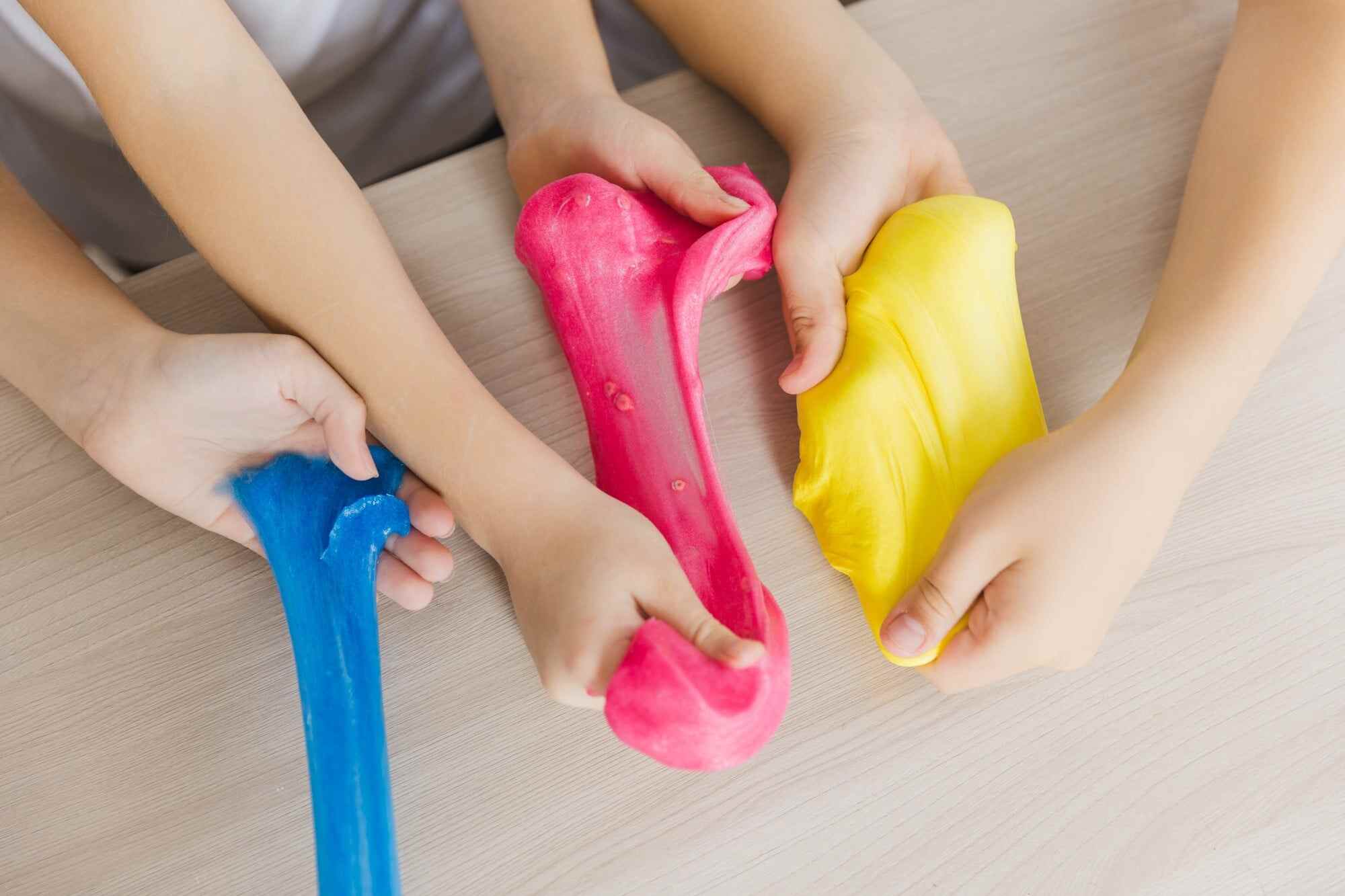
Once the slime is fully translucent, split it into three equal parts. Use the food colouring to create red, yellow and blue slime.
-
Split each colour of slime into another two parts. Stretch and fold two differently coloured slimes together and watch secondary colours emerge.
Learning with lava
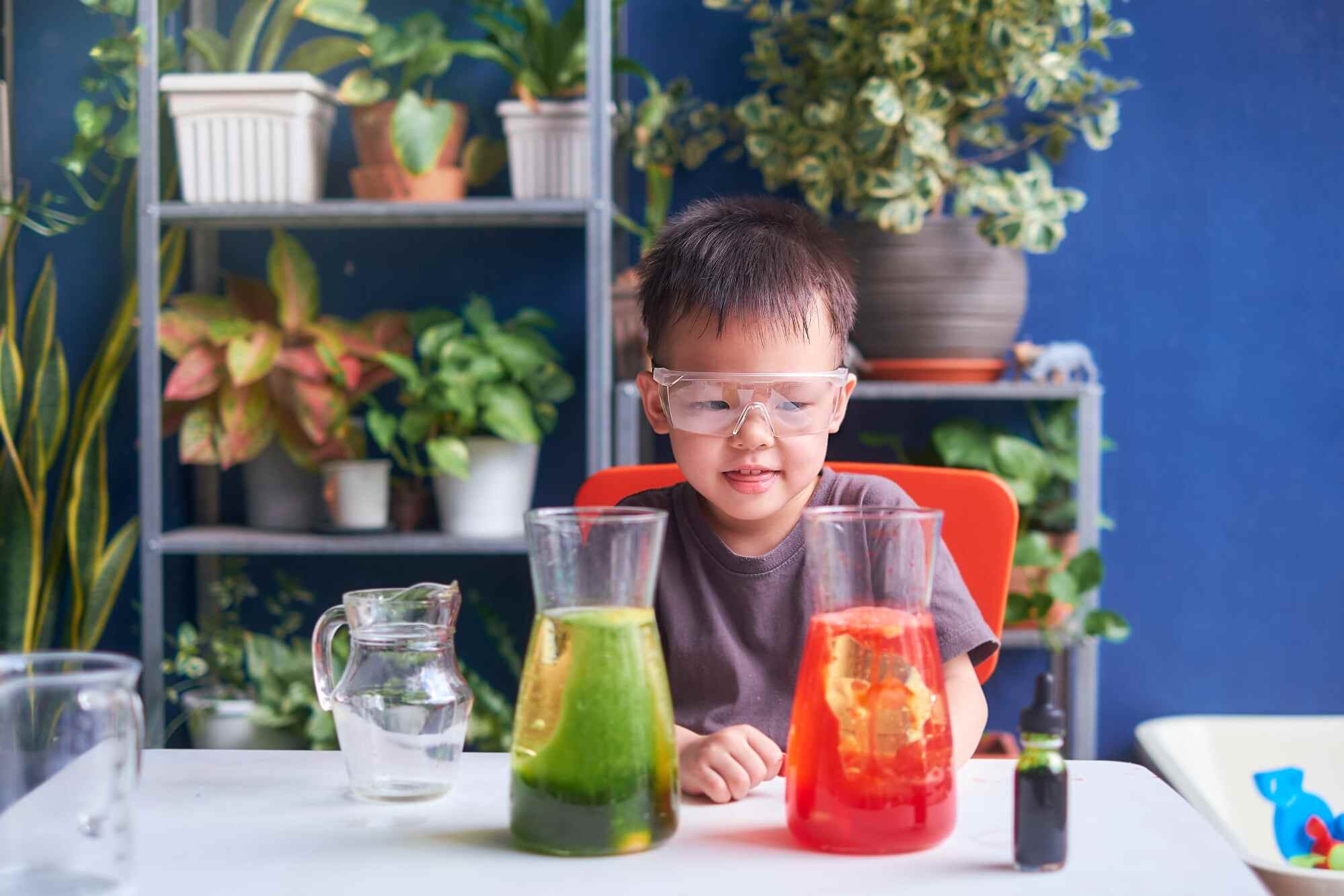
Materials
-
a plastic bottle or glass jar
-
vegetable oil
-
a funnel
-
fizzing tablets (such as Alka-Seltzer or a soluble vitamin)
-
food colouring in any two primary colours
-
water
Instructions
-
Fill two-thirds of your bottle or jar with vegetable oil. Fill the remaining third with water. Leave a little space at the top.
-
Add 10 drops of each colour of food colouring. Try to predict what colour your lava lamp will be when the two primary colours mix together.
-
Break the fizzing tablet into three or four pieces. Once the drops of food colouring settle at the bottom of the bottle, drop all the pieces of the tablet in.
-
When the tablet begins to fizz, the two primary colours will mix to form a secondary colour. Check if your prediction was correct!
-
The tablet should swish the coloured blobs all around the bottle. This happens because the tablet creates gas bubbles of carbon dioxide that latch onto the food colouring, making the blobs look like swirling lava.