YoungPost Club Learn
DOWNLOAD OUR APP
appstoregoogleplay
FIND US AT
My JourneyMy VocabularyMy Leaderboard
My AccountSearchAbout UsContact Us
Subscription Plan
School Subscription
YOUNG POST
NewsTrendingBeing wellLearning zoneShare with usQuizzes
SPARK
NewsTrendingBeing wellLearning zoneShare with usQuizzes
POSTIES
Big readEye on the newsHa-ha-happeningsThings to doYour saySteam studioHealth and happinessQuizzes
Subscribe to Young Post Club to access our great content
ABOUT US|CONTACT US|WRITE FOR US|PRIVACY POLICY|TERMS & CONDITIONS
©2025 Young Post Club. All rights reserved.
My Journey Hello
Brand Avatar
Young Post
My Journey illustration

With a subscription, you can answer quizzes and track your reading progress.

Read / Your say

Vinci Ip’s top picks: learn about astronomy, volcanoes and more from Usborne Beginners Science

This series has beautiful pictures that help young readers dive into the natural world
byPosties readers
Published: 12:45am, 06 Nov 2023
Length: 288 words
Vinci Ip’s top picks: learn about astronomy, volcanoes and more from Usborne Beginners Science

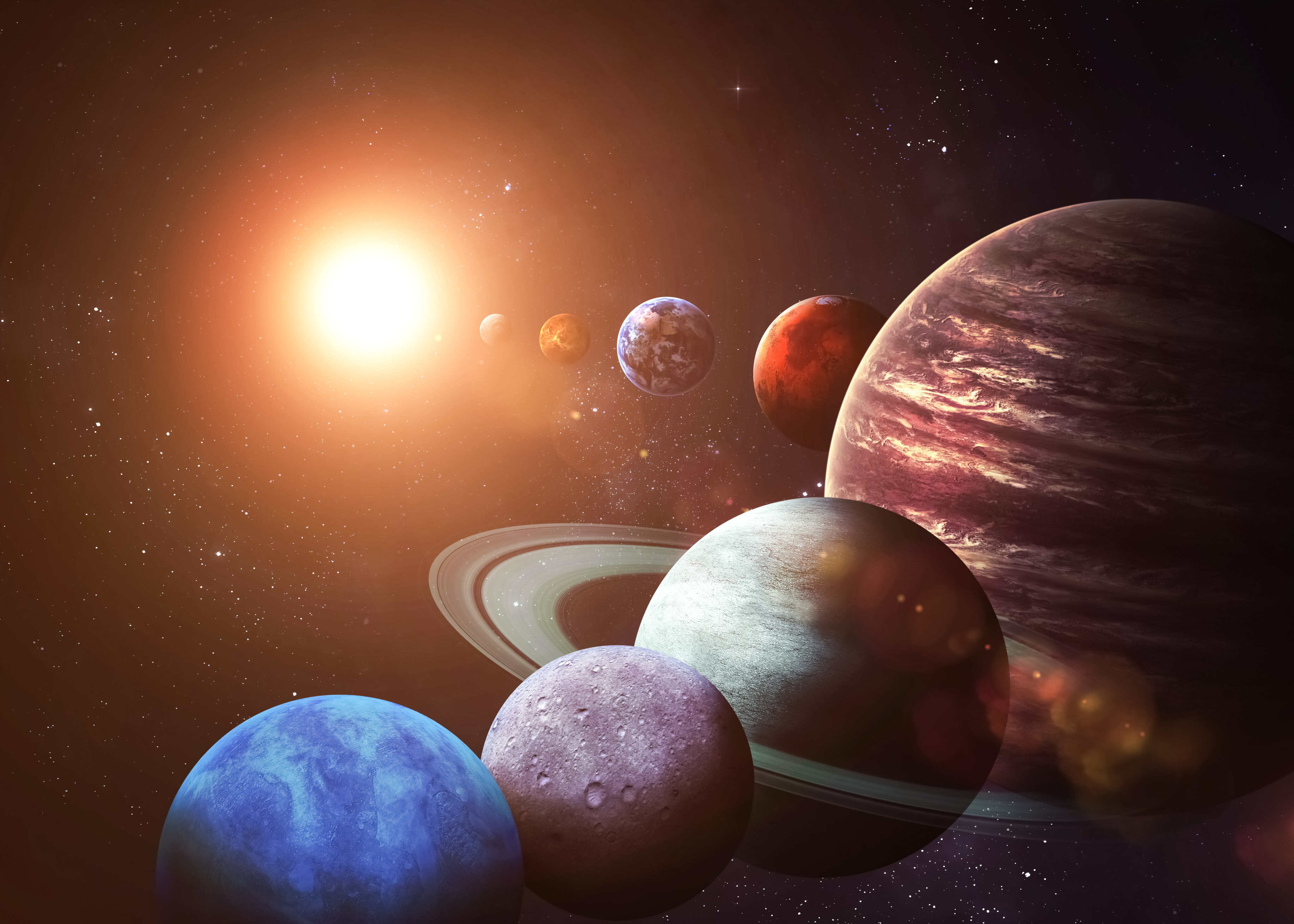
Vinci Ip’s favourite book in Usborne Beginners Science is about our solar system. Photo: Shutterstock

Vinci Ip (Primary Six), Buddhist Chung Wah Kornhill Primary School

I’m writing to recommend a science book series called Usborne Beginners Science. This series has 10 books. Each one covers different topics and has about 30 pages.

You can read about astronomy, volcanoes, the solar system and much more. The books are colourful; the pictures are realistic; and the content is detailed.

My favourite book is about the solar system. Its cover is beautiful. On the first page, you see realistic pictures of the planets and learn about what’s beyond Earth.

For example, Mercury is the planet closest to the sun. Page 13 shows the round craters on Mercury’s surface, which is more than four times hotter than boiling water!

Another of my favourite books in this series is about volcanoes and lava.

A volcano is made because there are cracks in the Earth’s crust. Hot rock melts and pushes up into the crust as lava. This is called an eruption. Then, the lava hardens into rock. Layers of lava build up after many eruptions. There are volcanoes under the sea, too. The lava can even build up to form an island!

Volcanologists study volcanoes and try to predict when they will erupt. Sometimes, a volcano gives off gas before it erupts, and the ground might shake before an eruption.

This series can definitely teach you something new.

Do you have a book or movie to share? Send us your top picks using this form.
IN THIS ARTICLE
Books
From our readers
KEEP READING
cover
Eye on the news
‘Ring of fire’ eclipse brings cheer as it moves across the Americas
29 Oct 2023
cover
STEAM studio
History of fireworks and the science behind how they create colourful patterns in the sky
24 Sep 2023
cover
Big read
Dinosaurs take over the Hong Kong Science Museum
13 Jul 2022