Do you have something to share? Share your stories, school events and more using this form.
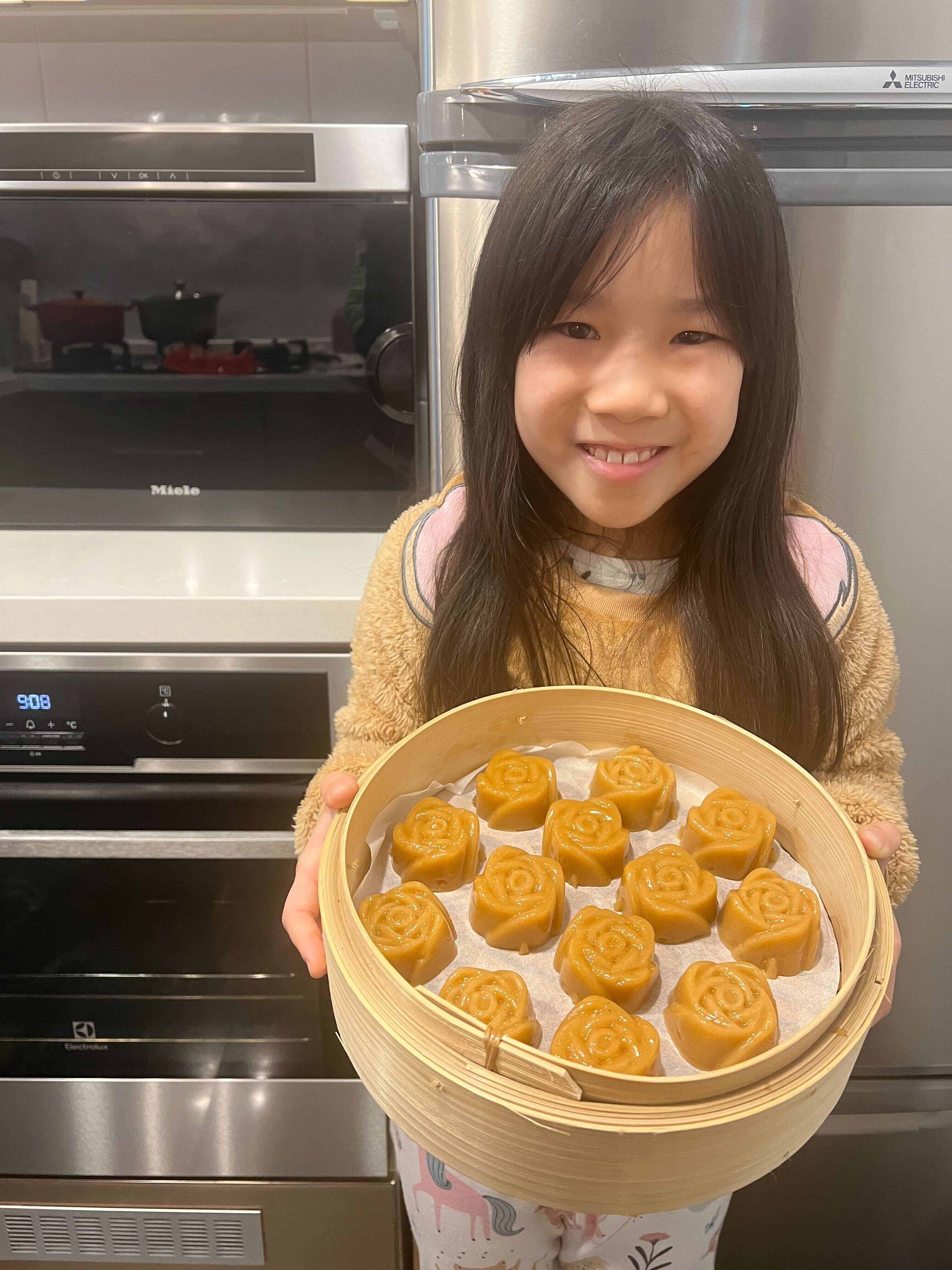
When I think about all the colourful Chinese traditions – giving red packets, putting up spring couplets, hearing the drums of the lion dance – none of them feels quite as warm, fragrant and personal to me as making this dessert in the Cheung family home.
It’s not just about cooking; it’s a cherished ritual that fills the house with the sweet, caramel-like scent of hope and draws the family together for Lunar New Year.
Making it is a lesson in patience and meaning. First, we measure out the glutinous rice flour, its fine white dust drifting down like winter snow. Each red date is plump, its wrinkled skin softening and smoothing out like a smile.
To us, these aren’t just dried fruits; they’re tiny symbols of life and happiness. Their natural dark red hue echoes the colours of joy, luck and celebration that define the festival. The belief that they bring early blessings adds a deeper layer of hopeful, unspoken wishes to their sweetness.
Preparing it together feels like conducting a piece of music. We pour the thick, sticky batter into greased trays and steam it for hours. We wait in shared anticipation, listening to the steady hiss of the steamer, a gentle rhythm that promises good things to come.
The pudding that emerges is a masterpiece of texture and symbolism. Once cooled, it sets into a dense, incredibly sticky, glossy block. Its deep mahogany colour suggests richness and abundance, symbolising the family’s bond and the “sticking” together of good fortune for the year ahead – a hope that each year will rise higher, grow better, and become more plentiful than the last.
This tradition goes far beyond cooking. It’s a fragrant, sticky, sweet emblem of our family’s hopes for long life, harmony and prosperity.
In a world that changes quickly, making red date pudding remains a steady, anchoring ritual.