YoungPost Club Learn
DOWNLOAD OUR APP
appstoregoogleplay
FIND US AT
My JourneyMy Vocabulary BuilderMy Leaderboard
My AccountSearchFAQAbout UsContact Us
Subscription Plan
School Subscription
YOUNG POST
NewsTrendingBeing wellLearning zoneShare with usQuizzes
SPARK
NewsTrendingBeing wellLearning zoneShare with usQuizzes
POSTIES
Big readEye on the newsHa-ha-happeningsThings to doYour saySteam studioHealth and happinessQuizzes
Subscribe to Young Post Club to access our great content
ABOUT US|CONTACT US|WRITE FOR US|PRIVACY POLICY|TERMS & CONDITIONS
©2026 Young Post Club. All rights reserved.
My Journey Hello
Brand Avatar
Young Post
My Journey illustration

With a subscription, you can answer quizzes and track your reading progress.

result
Learn new words with our vocabulary challenge!
My Journey illustration

With a subscription, you can answer quizzes and track your reading progress.

result
Learn new words with our vocabulary challenge!
My Journey illustration

With a subscription, you can answer quizzes and track your reading progress.

Read / Your say

Feature of the Week: Liana Yang’s short story ‘The Bear Who Lives by the Sea’

The 10-year-old from Kowloon Junior School shares a thrilling adventure tale about a polar bear cub in the Arctic who wants to reunite with his family
byPosties readers
Published: 12:30am, 28 Sep 2026
Length: 377 words
Feature of the Week: Liana Yang’s short story ‘The Bear Who Lives by the Sea’

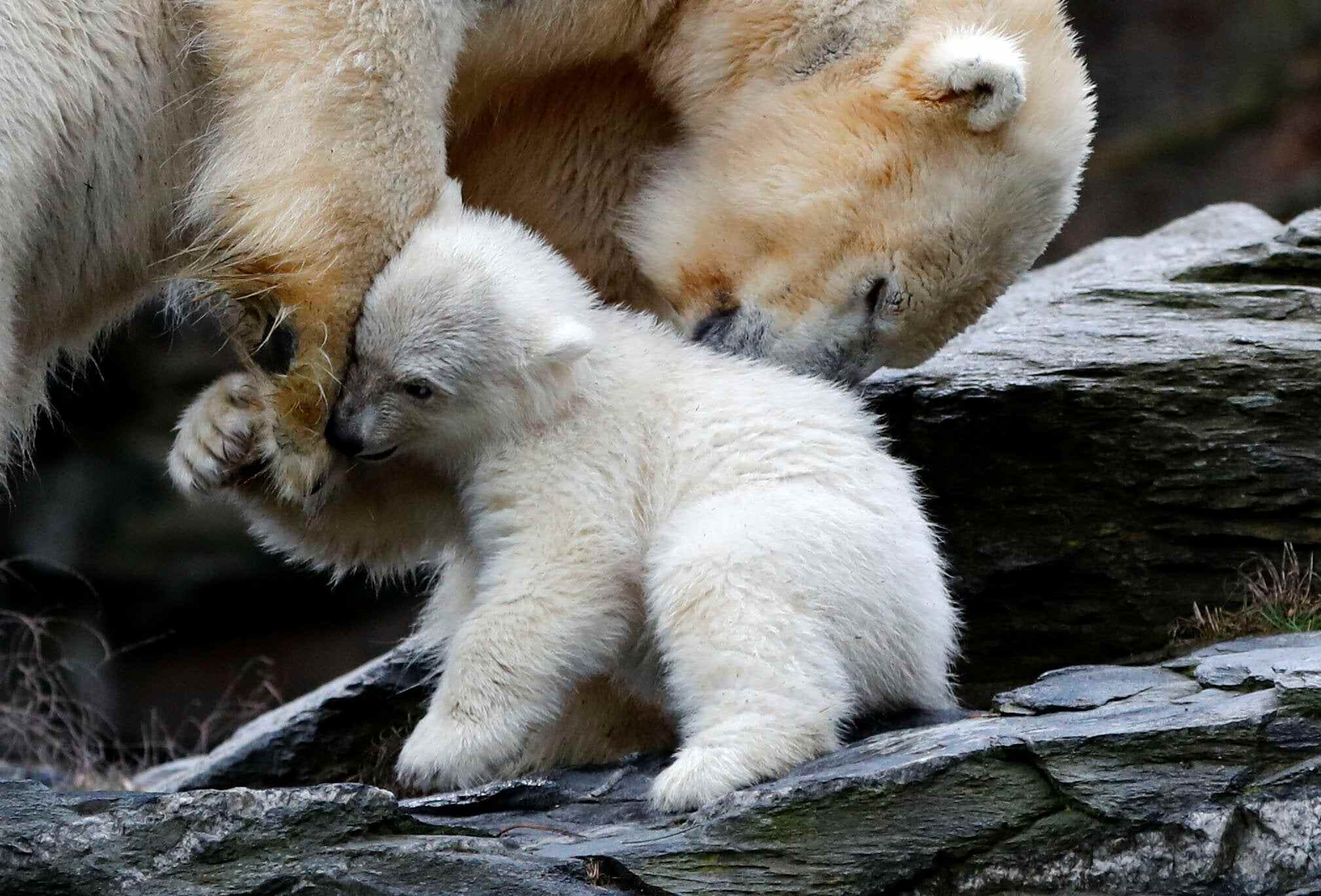
A polar bear cub seen with its mother at Tierpark Berlin zoo in Berlin, Germany. This week, one reader writes about a polar bear cub in the Arctic. Photo: Reuters

Do you have something to share? Send us your creative writing using this form.

In the frozen Arctic, hidden under layers and layers of snow, a little polar bear was born. Fuzzy the Polar Bear was no bigger than two medium-sized bananas, and he weighed as light as three apples.

It was so cold. Fuzzy huddled with his mother and siblings to stay warm. It was a big family, and he was the youngest. Fuzzy already had a lot of fur, and when he’d grow up, he’d have the furriest coat.

His family wanted him to be brave, but they worried humans would hurt him.

When Fuzzy got older, his family moved. But as the Arctic got warmer because of climate change, the ice began to melt. Fuzzy awoke one day and could not see his mother and siblings. He was all alone.

Fuzzy did not know how to take care of himself. He did not know how to hunt or swim.

How would Fuzzy cope? At night, he imagined himself cuddling with his family.

A few days later, a group of human volunteers found him.

“This cub has been starving and sick for days!” one exclaimed. “We need to bring him to the Arctic animal rescue centre.”

They took him to the rescue centre. They treated him with kindness and gave him some water, medicine, food and even treats! Now, Fuzzy knew not all humans were monsters.

Fuzzy was no longer hungry because the volunteers had fed him. He even knew how to hunt now. He had also learned to trust others, have faith and live after having lost hope. Fuzzy had healed.

The volunteers led Fuzzy to a new place where there were a lot of polar bears, snow, friends and food. As a volunteer released him, Fuzzy saw his family. Then, they lived happily together once again.
IN THIS ARTICLE
From our readers
Animals
Environment
KEEP READING
cover
Your say
Feature of the Week: Ophelia Chan’s short story titled ‘Cindy’s Magical School Journey’
21 Sep 2026
cover
Your say
Feature of the Week: Lucas Lam Cheuk-lok’s poem ‘The Magic Cookie Monkey’
14 Sep 2026
cover
Your say
Feature of the Week: Nip Wan-hei’s short story ‘Adventures of Snowball’
07 Sep 2026