Most people know that digital devices can make it harder for us to sleep and strain our eyes. But did you know they could also cause skin problems?
Dr Kingsley Chan is a dermatologist based in Hong Kong. He pointed out how our screen habits could affect our skin.
How blue light affects the skin
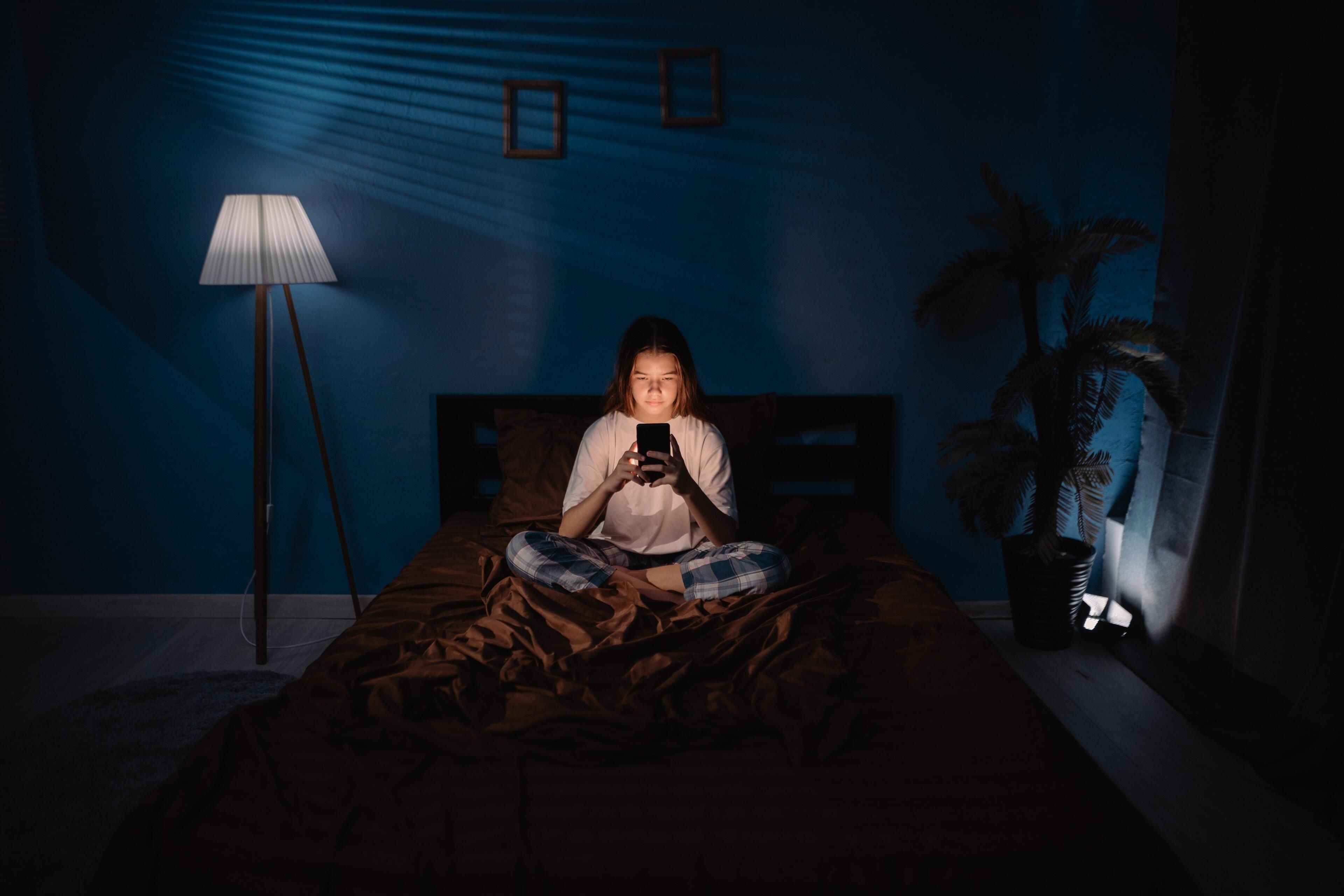
Blue light-emitting diode (LED) lights are used in many electronic screens. The closer we are to a screen and the brighter it is, the more blue light we are exposed to.
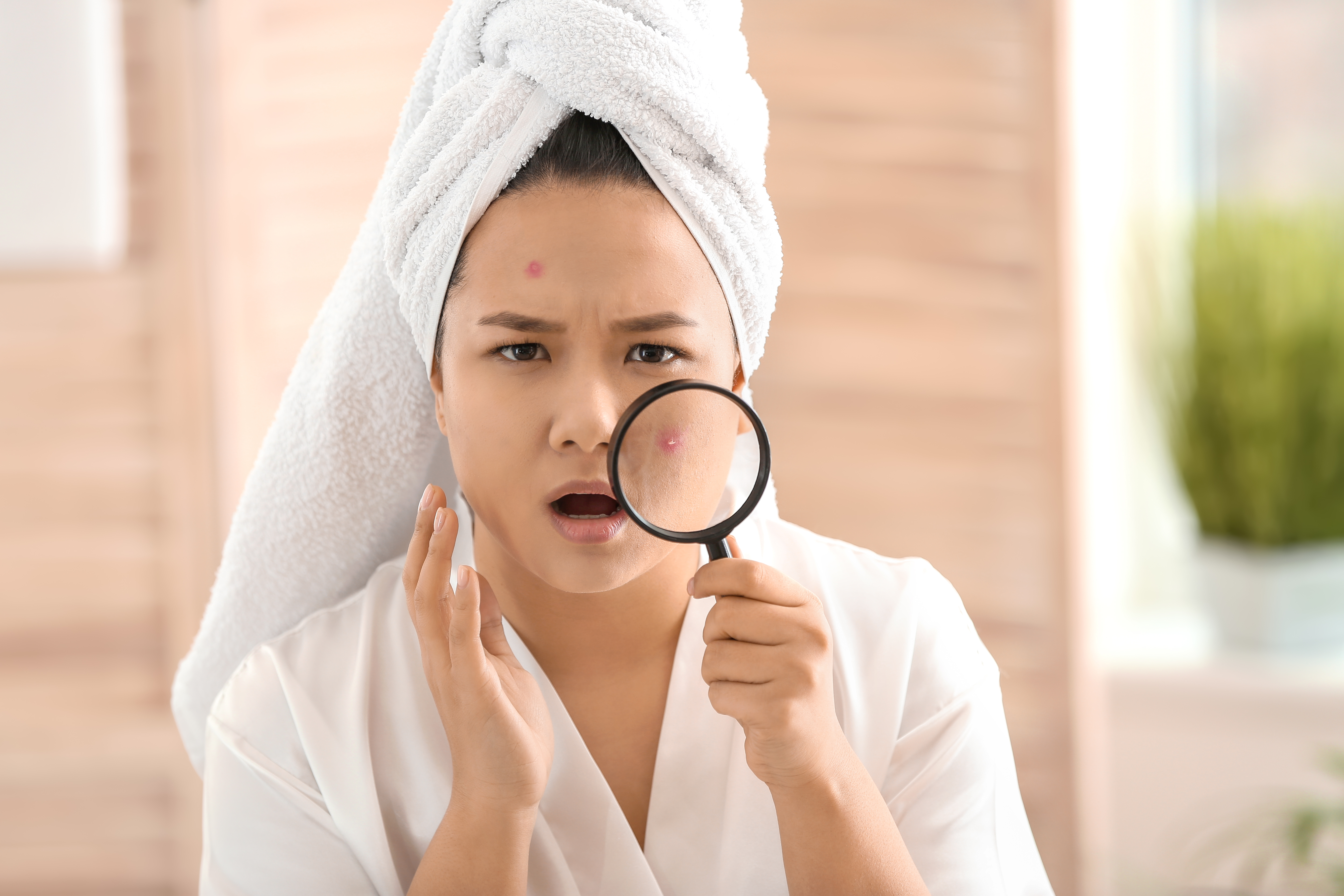
Blue light is a form of short-wavelength light. According to a study published in 2017 in the Journal of Biomedical Physics and Engineering, short-wavelength light from phones and tablets can increase the growth of Staphylococcus aureus. This bacterium can be linked to acne and other skin conditions.
“Blue light from screens may worsen acne by increasing inflammation,” he said.
He added that this inflammation could worsen existing skin conditions such as dark spots and rosacea.
But blue light therapy is also used in many skin centres to treat moderate cases of acne. According to Chan, these treatments use a specific wavelength of light that is different from the blue light from screens. Digital devices usually emit blue light in a broader spectrum that can damage the skin.
A 2024 study published in the journal Phototonics found that devices’ blue light wavelength peaks ranged from 445 nanometres (nm) to 455nm.
“Blue light therapy uses a wavelength that is typically between 405nm and 420nm to treat acne. This helps decrease the production of acne-causing bacteria and helps reduce inflammation and decrease oil production at the same time,” the dermatologist said.

What to do about acne
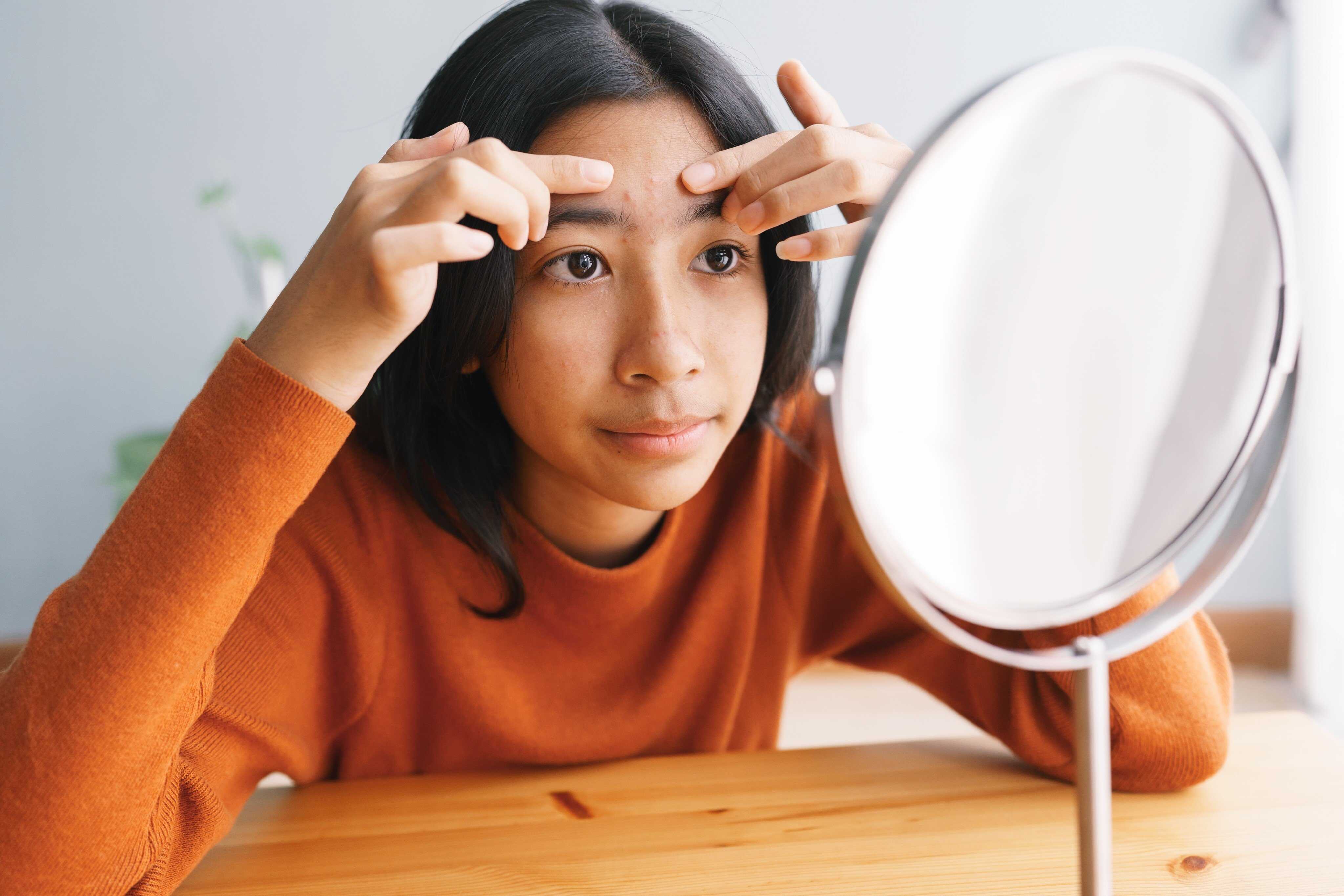
Chan said it could be hard to find the main cause of acne in teenagers. It can be related to a combination of many reasons, such as blue light exposure, hormonal changes, diet, exhaustion, stress and family history.
“The best way [to tackle the problem] is to focus on things they can control such as eating a healthy diet and keeping to a proper face-cleansing routine ... and of course, reducing exposure to blue light,” he said.
One direct way that smartphones contribute to acne is through touch. Our devices follow us everywhere – and they pick up many germs along the way.
Avoid touching your face to your phone for too long so the bacteria has fewer chances to get to your skin.
Use isopropyl alcohol wipes to clean your screen often.
Foods that benefit the skin include whole grains, beans, fruits and vegetables.
On the other hand, sugary foods can cause the body to produce a hormone called insulin. Too much insulin can make the skin produce more oil, which might increase your chances of getting acne.
Chan recommended using a facial cleanser to control the oil on your skin.
This can be followed by applying topical antioxidants that contain vitamins C and E. These vitamins help protect your skin from blue light.
It is also essential to use sunscreen even when you are indoors to provide protection for the skin.
The dermatologist also suggested turning on the blue light filter option on your phone and setting the device to night mode. This usually changes the screen’s colour to a more yellow tone.